The New Wave of Taiwanese Cafés
How to tell a sit-down Taiwanese café from a takeout boba shop, and what the menu usually offers.
Updated July 22, 2026
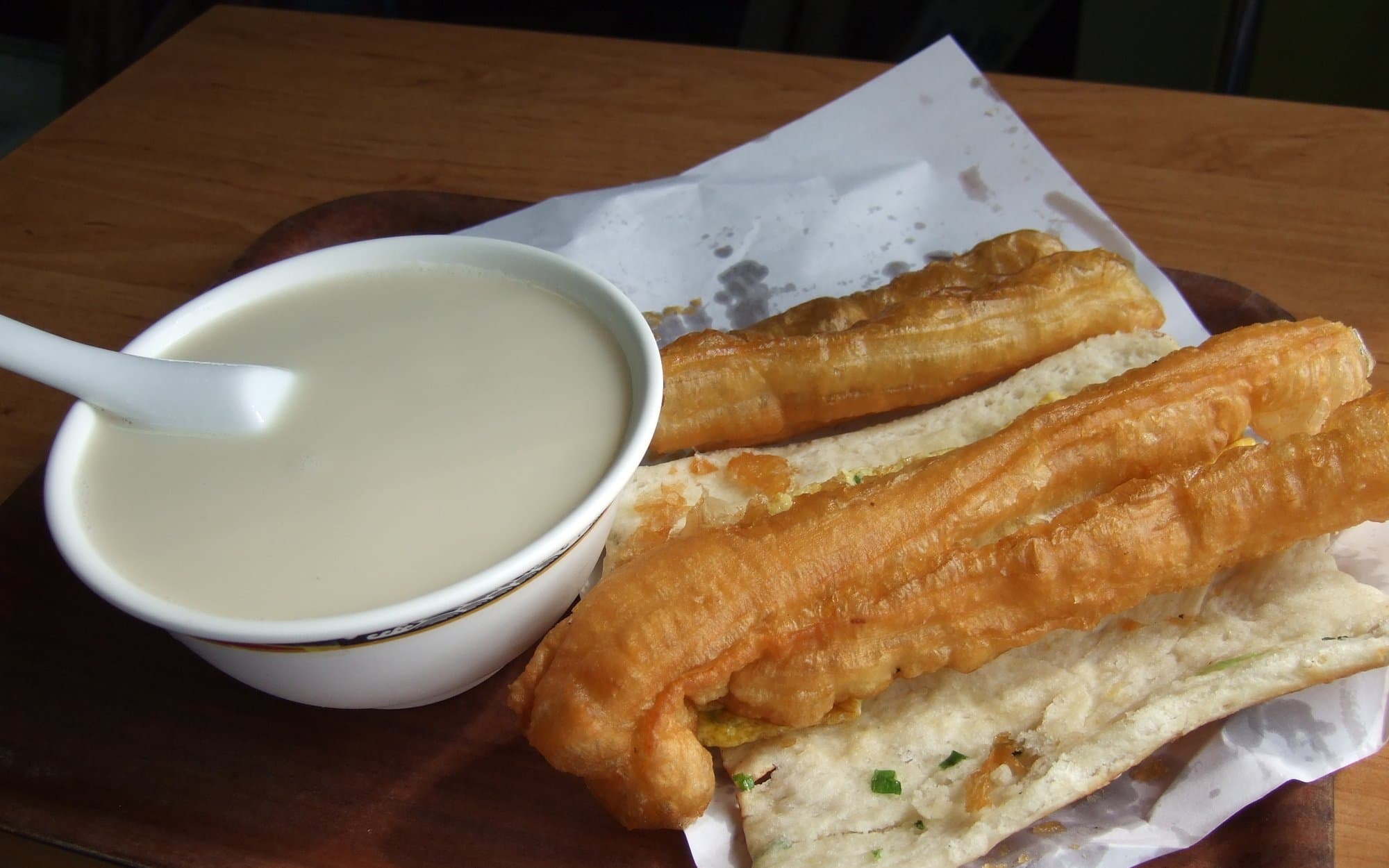
Photo by Yun Huang Yong. Licensed under CC BY 2.0. Cropped and resized for web
A sealed cup of pearl milk tea can still be the whole errand. It is just not the only Taiwanese café product on offer anymore.
Across North America, and especially in dense corridors like Los Angeles’s San Gabriel Valley, Taiwanese rooms now span breakfast counters, bakery-cafés, and all-day sit-down spots where tea lists and savory plates matter as much as the drink board. The useful skill is reading which format you walked into before you order.
Four rooms that get called “café”
Breakfast shops
In Taiwan, eating breakfast out is ordinary, not a weekend luxury. Traditional soy milk shops serve doujiang with youtiao, fan tuan, and shaobing. Parallel Western-fusion breakfast shops layer danbing, sandwiches, and thick toast onto the same morning habit. Diaspora versions show up as early SGV counters and all-day menus that still keep a breakfast window. If the board leads with sticky rice rolls and soy milk before lunch, you are in this family.
Bakery-cafés
Trays of soft buns and cakes sit beside coffee and tea. Taiwanese chains such as 85°C Bakery Cafe helped normalize the hybrid in Southern California: pick pastry, order a drink, stay or go. The case is half the reason to visit. For tray literacy, the SGV Bakery Crawl covers the classics.
Sit-down Taiwanese cafés
These rooms want you in a chair. Menus lean on scallion pancakes, popcorn chicken, beef rolls, lu rou fan, noodles, and cold sides, with tea that can be as considered as the food. In Los Angeles, press coverage of places such as Pine & Crane’s downtown all-day café and Bopomofo Cafe in San Gabriel keeps returning to that mix: savory plates plus drinks, not drinks alone. Boba may still be on the menu. It is no longer the only plot.
Takeout-first boba shops
Customization is the product: tea or fruit, sugar, ice, toppings. Seating is optional or scarce. That format still matters, and its history lives in Boba’s Second Act. Just do not expect a breakfast set or a long tea list from a shop built only for sealed cups.
Signals on the menu board
Read before you order
- Fan tuan, soy milk, danbing, shaobing before late morning: breakfast-shop DNA.
- Named oolongs, high-mountain teas, or a short leaf list: tea-forward café.
- Popcorn chicken, scallion pancake, beef roll, minced pork rice: sit-down savory café.
- Dozens of drink flavors and almost no food: takeout boba shop.
- Bakery trays plus coffee or tea: bakery-café hybrid.
What to order when you want the wider format
If the room is a breakfast shop, start with soy milk and one handheld: fan tuan, danbing, or shaobing with youtiao. If it is a sit-down café, pair one savory plate with a tea that is not automatically milk tea; ask what is cold-brewed or high-mountain if the list looks serious. In a bakery-café, one pastry and one drink still counts as a complete stop.
To start, we recommend choosing the format first, then ordering food and drink together at least once. That single habit is how the new wave stops looking like a longer boba line and starts tasting like Taiwanese café culture with room to sit.