
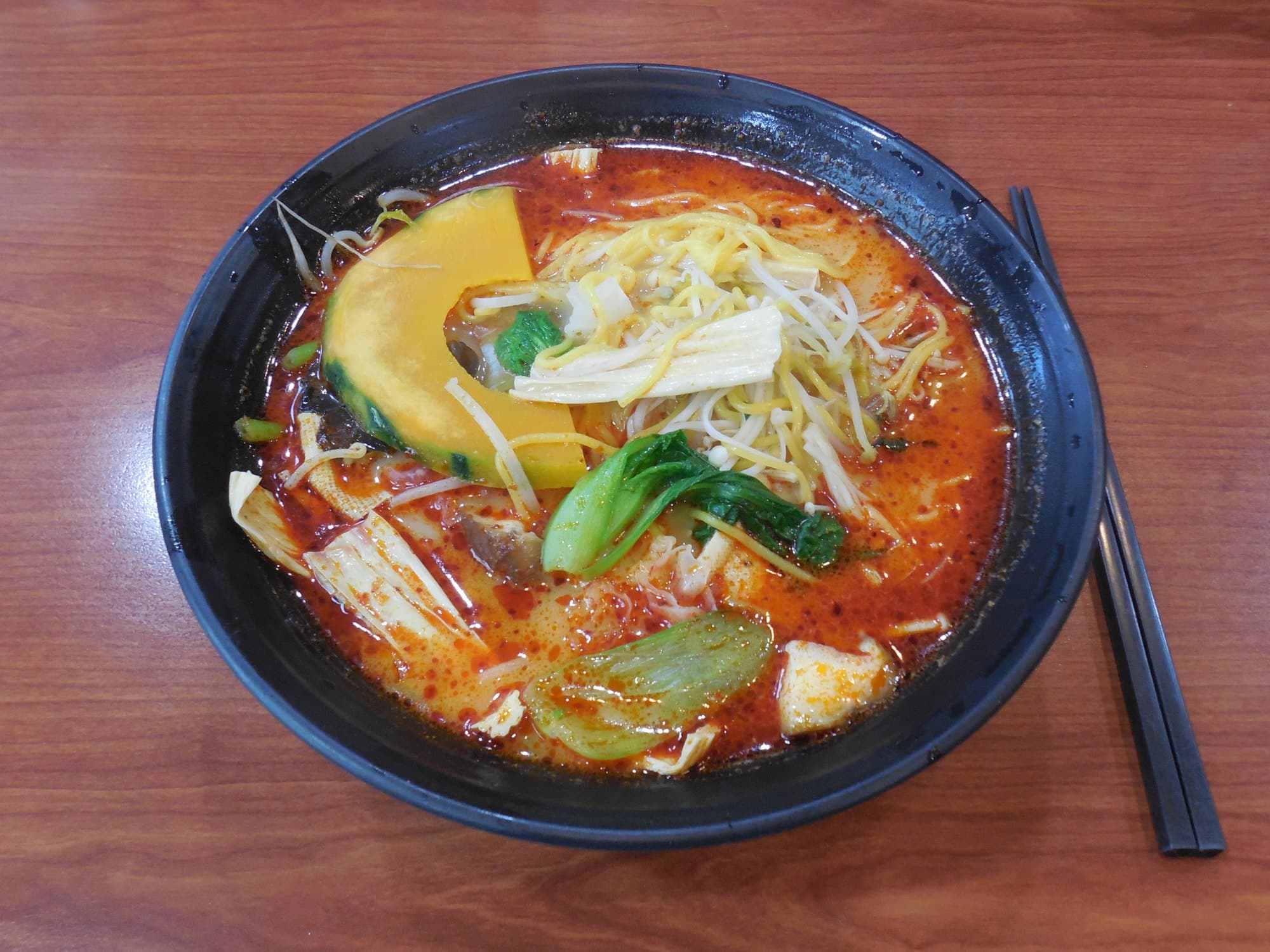
What’s in Your Malatang? Korea Just Recalled the Wood Ear.
Chinese wood ear and white wood ear imports tested many times over Korea’s pesticide limits. The chewy fungus is a quiet staple in the spicy bowls that became everyday lunch.
Reader Table
Recipe of the Week
All →Recipe
10 min prep · 10 min cook
Timely East Asian food stories: awards, shortages, openings, and the week’s shifts.
Chinese wood ear and white wood ear imports tested many times over Korea’s pesticide limits. The chewy fungus is a quiet staple in the spicy bowls that became everyday lunch.
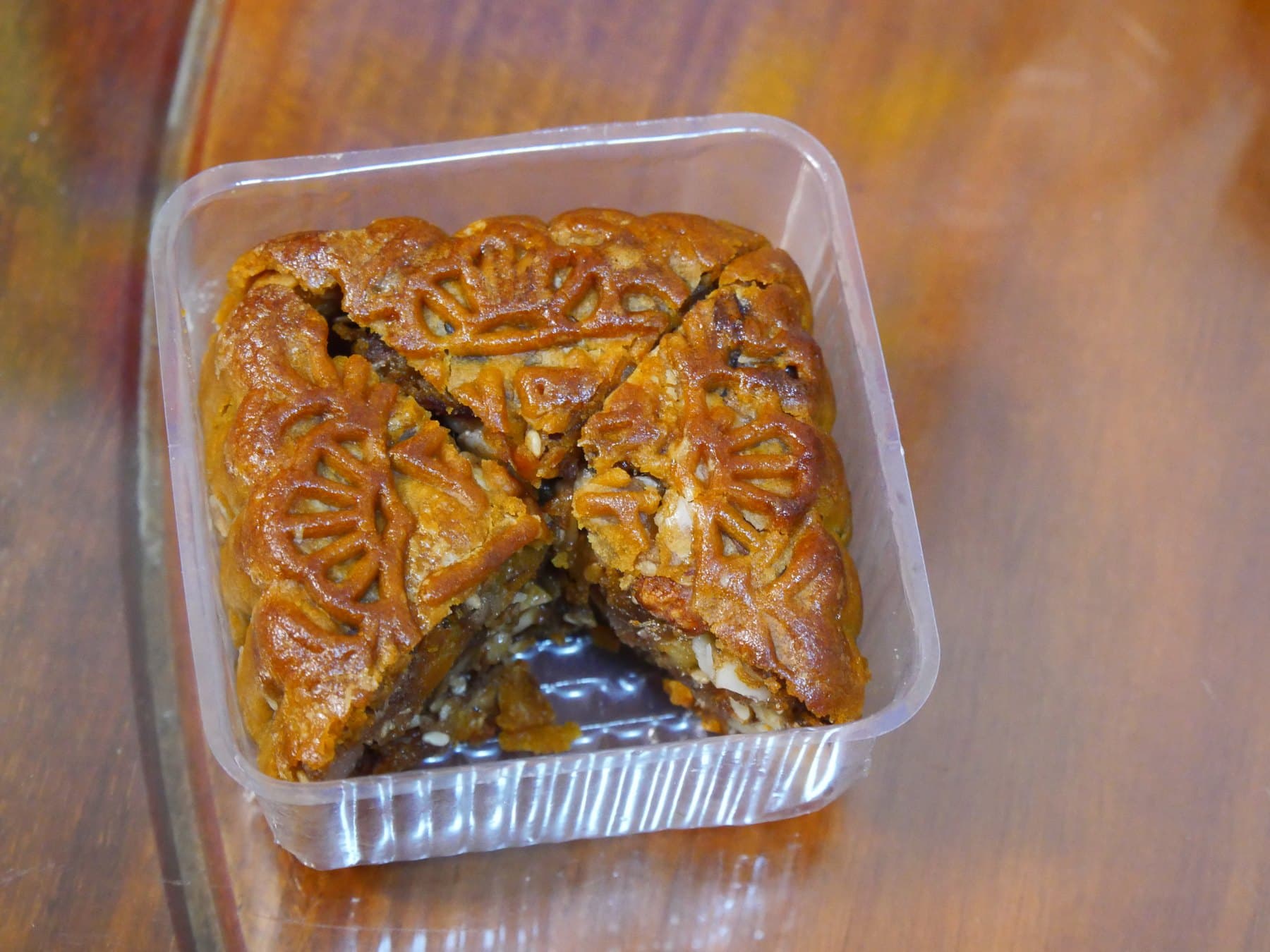
Mainland China holidays September 25–27 for the full-moon night. The same lunar date is Korea’s Chuseok. Diaspora cooks already have gift tins on the shelf and a clear date to share them.

Korea McDonald’s built a gochujang butter sauce, cast Kwon Ji-yong as the face, and starts Sept. 17 with two chicken sandwiches before rolling the same sauce idea through 12 more Asian markets.
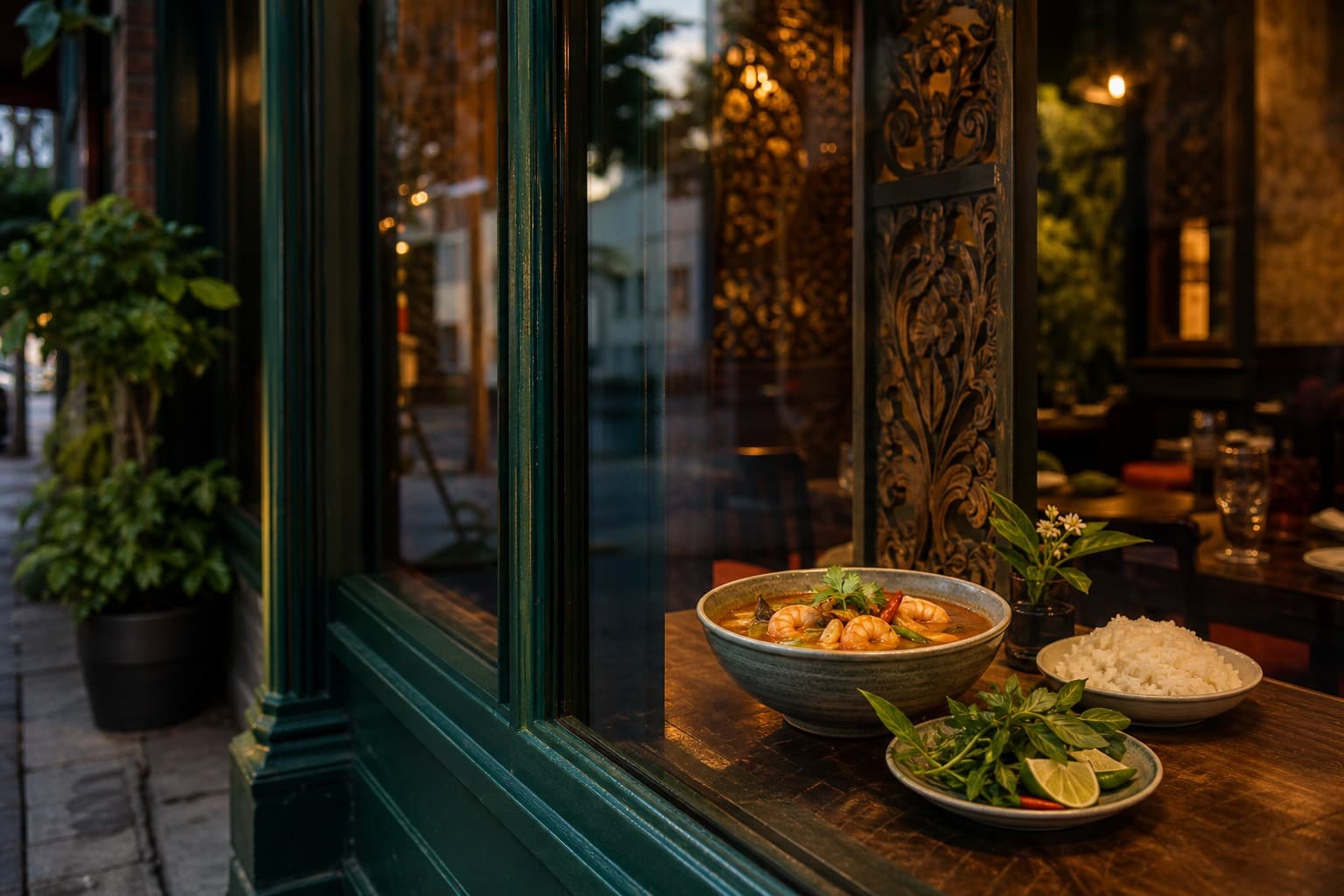
Since 2002, Bangkok has backed overseas Thai restaurants with loans, chef standards, and Thai SELECT certification. The pad Thai on the corner is partly diplomacy.
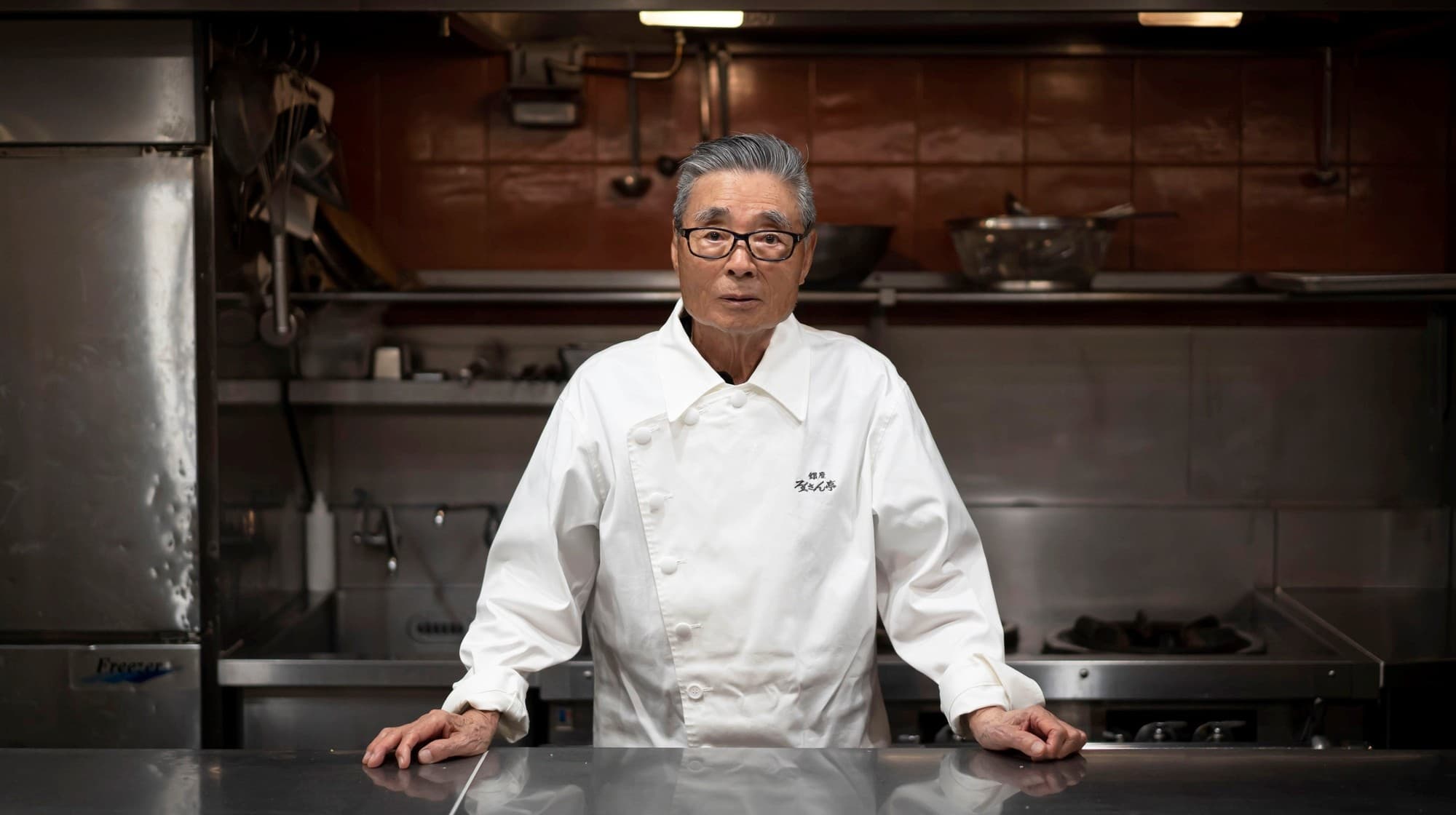
Hibiya Rokusantei opens September 11 at Tokyo Midtown Hibiya, pairing Michiba’s cooking with the soba craft from Masataka Kamiya’s Sobagami. Ginza Rokusan-tei turns 55 this year.
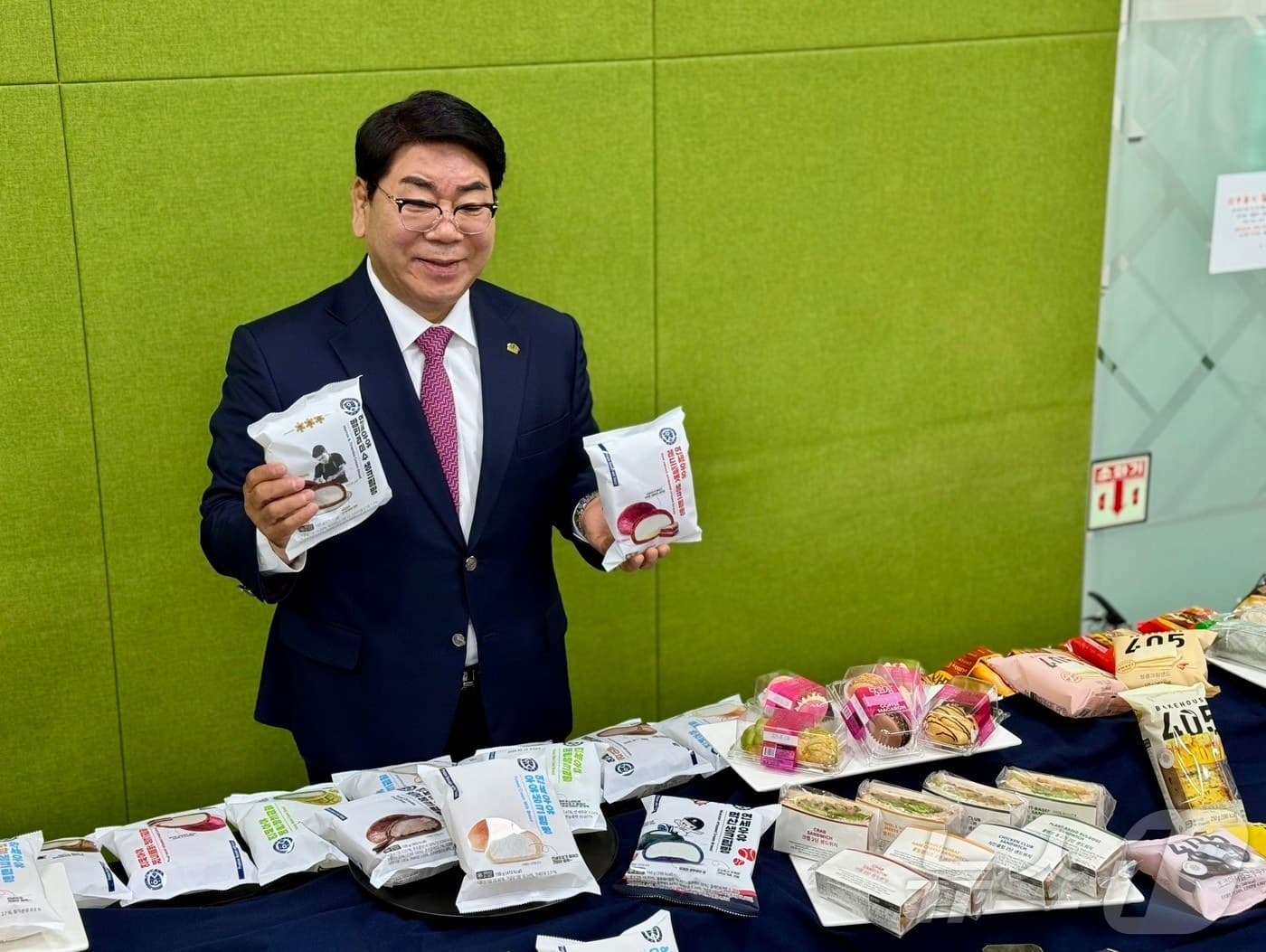
The first Foodcoa cream bread for U.S. Costco ships September 14. Kim’s Anseong bakery grew from a Japan convenience-store trip into CU’s bangal-shot craze, then bet the next act on export.
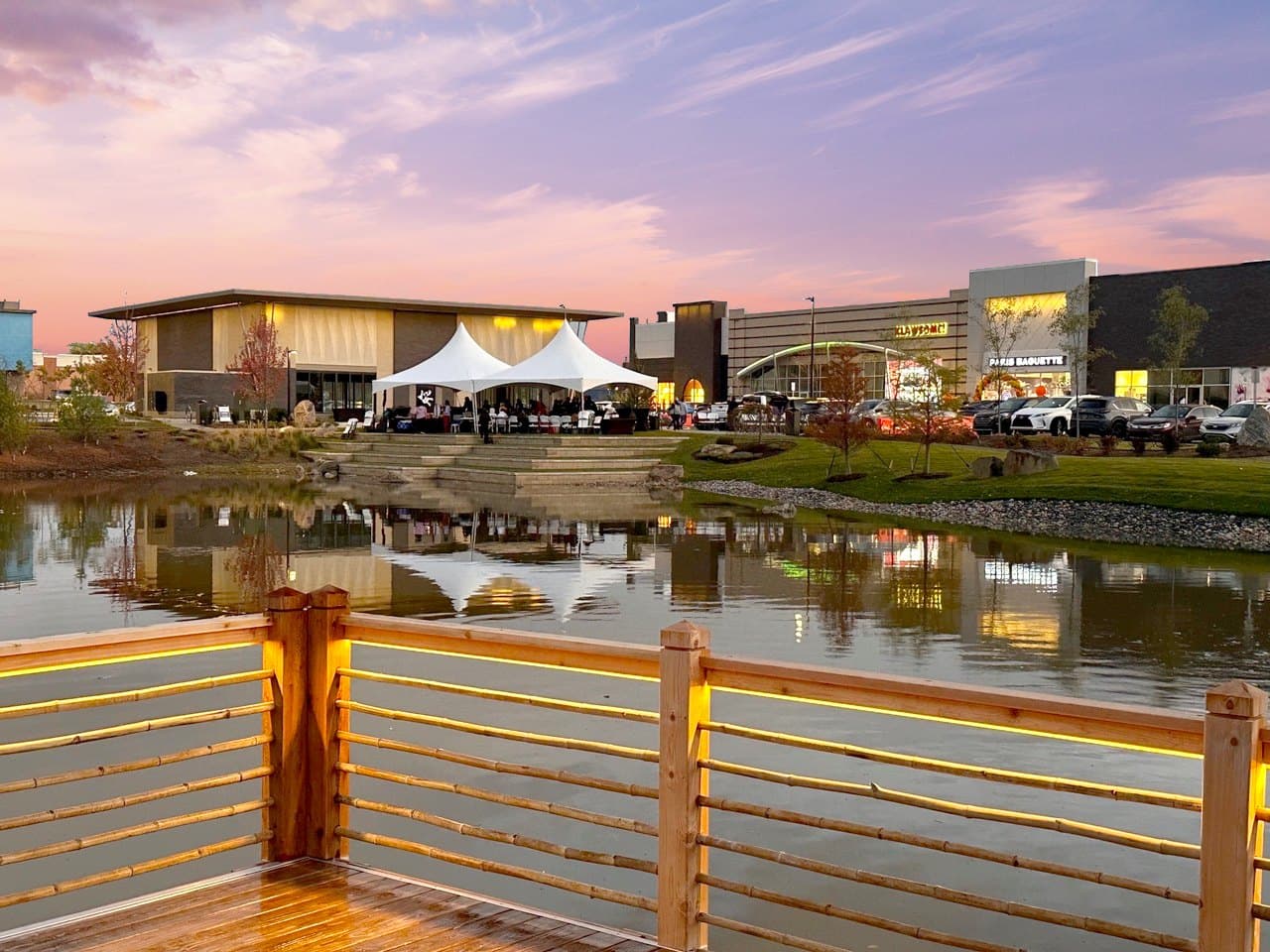
Sumo Japanese Grill just joined a Grand River campus that already holds Korean steakhouse, wagyu shabu, Paris Baguette, and Book Off’s first Midwest store. Novi’s Asian diners were already here.
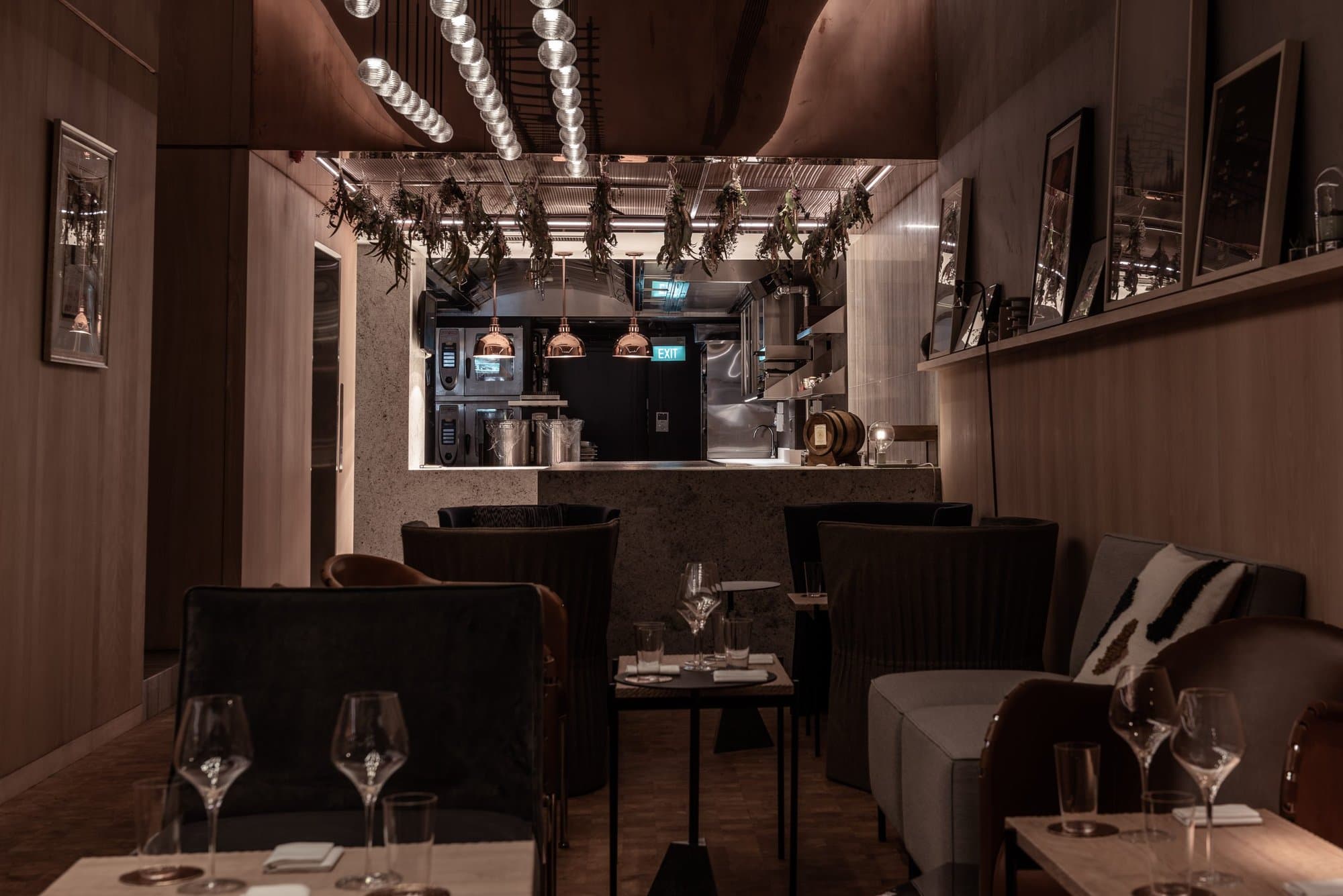
After three months closed, Bjorn Frantzen’s three-Michelin-star Bukit Pasoh room returns with a new ground-floor counter, seven canapés, and local chefs running the kitchen.
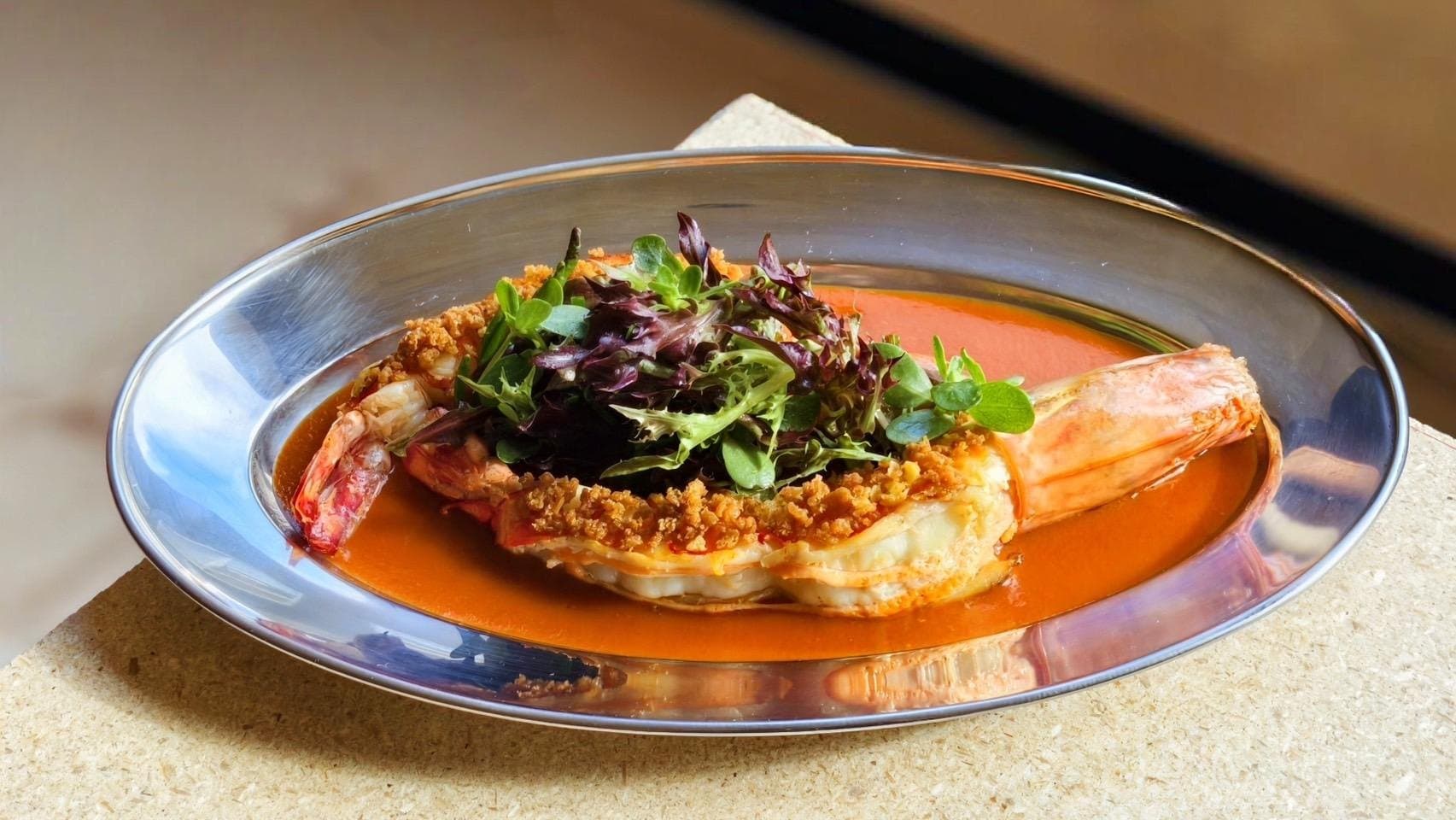
The SoMa room skips the Le Du and Nusara tasting format. Scratch curries, California produce, and an à la carte menu may be the version of Thai fine dining that travels.
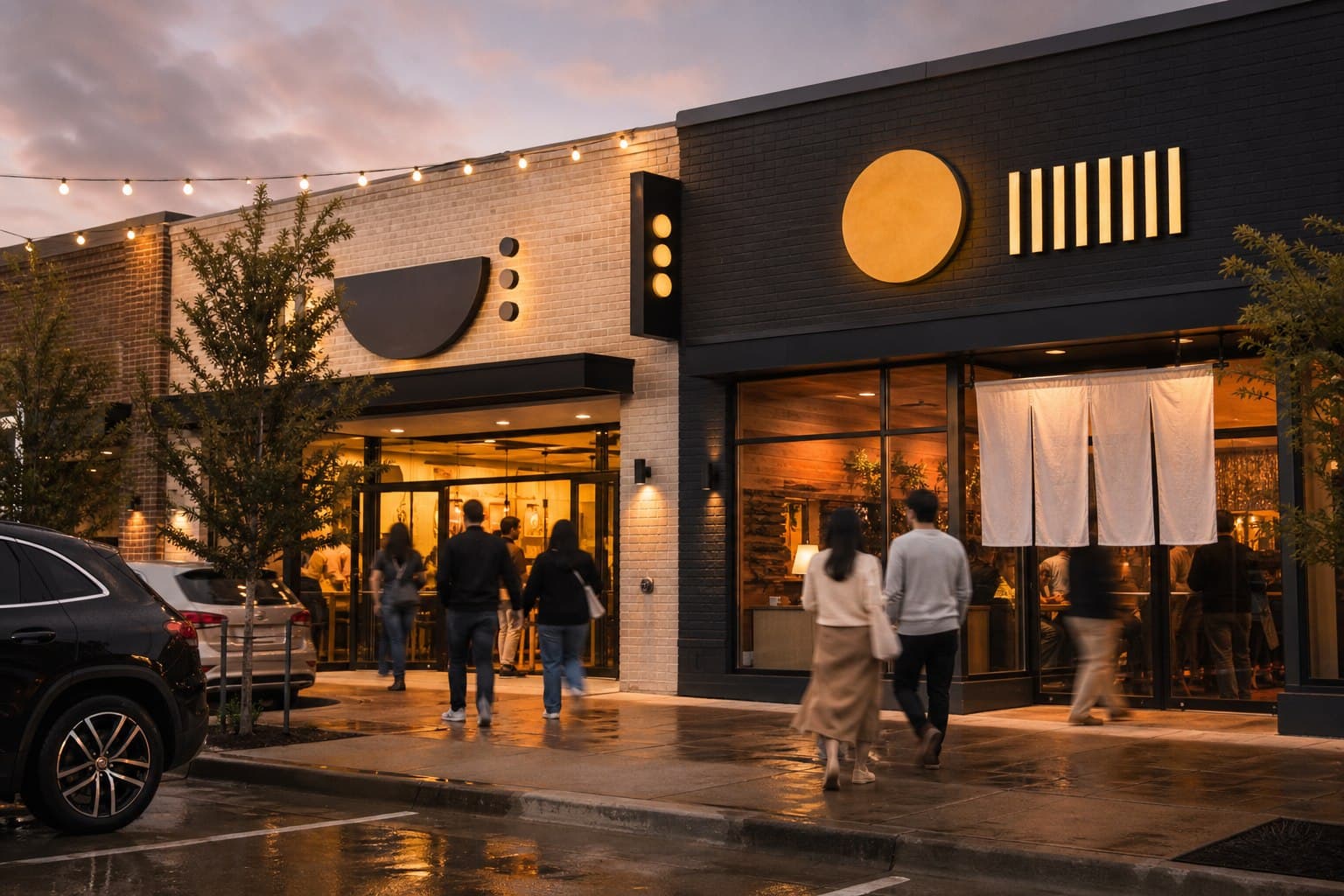
Home markets are full, and a plate of belt sushi sells for more than three times as much in America as it does in Japan. That gap, not a sudden national appetite for gochujang, is paying for the expansion.
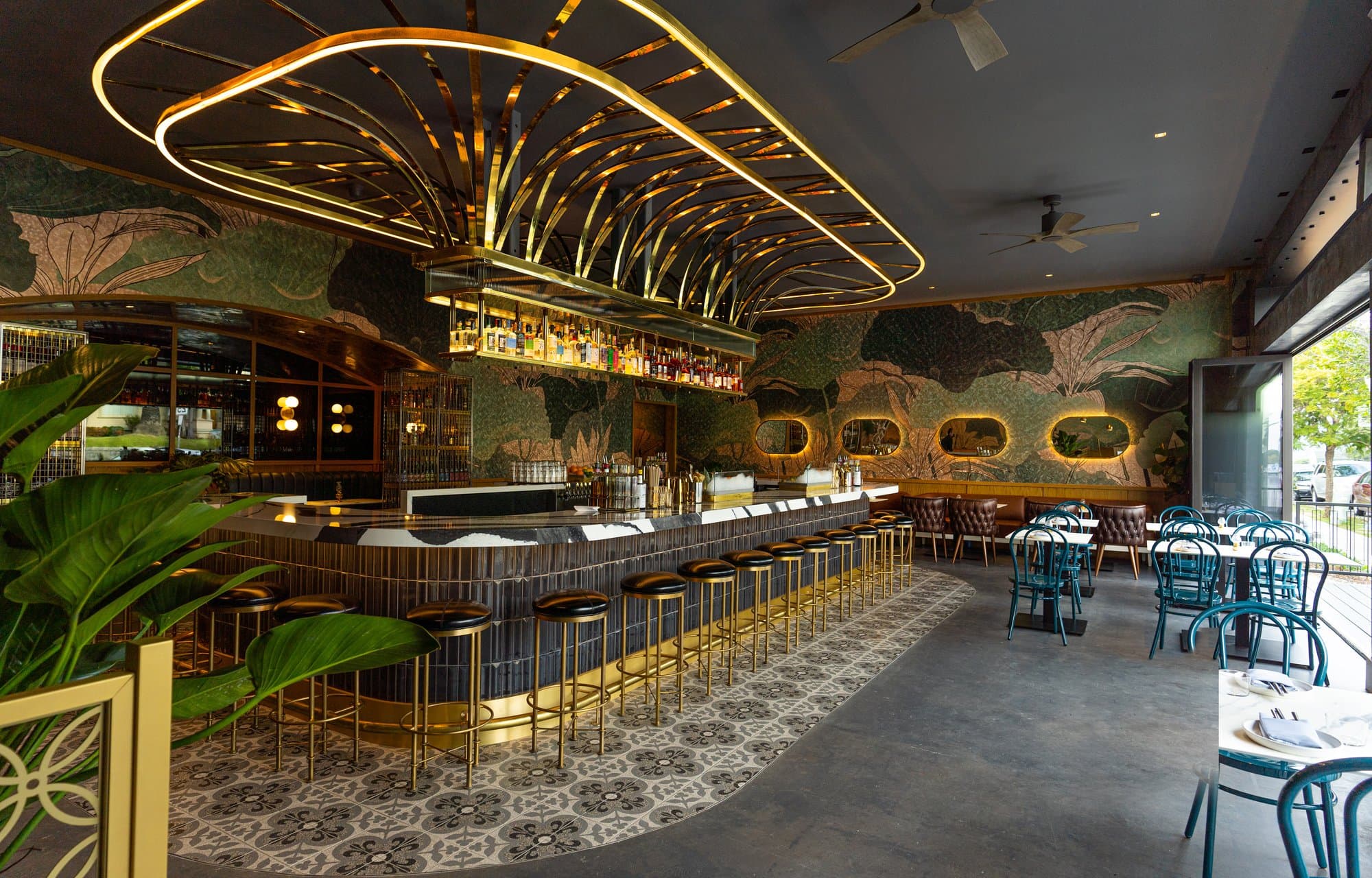
Golden Hill’s modern Vietnamese bar treats fish sauce and dry-aged duck like destination dining. In a city full of pho, that still reads as unusual.

The Born Korea and Canada’s Sunray Group signed a restaurant agreement on Tuesday. A Markham dining room converts first. Which of Paik’s brands gets the space is still undecided.
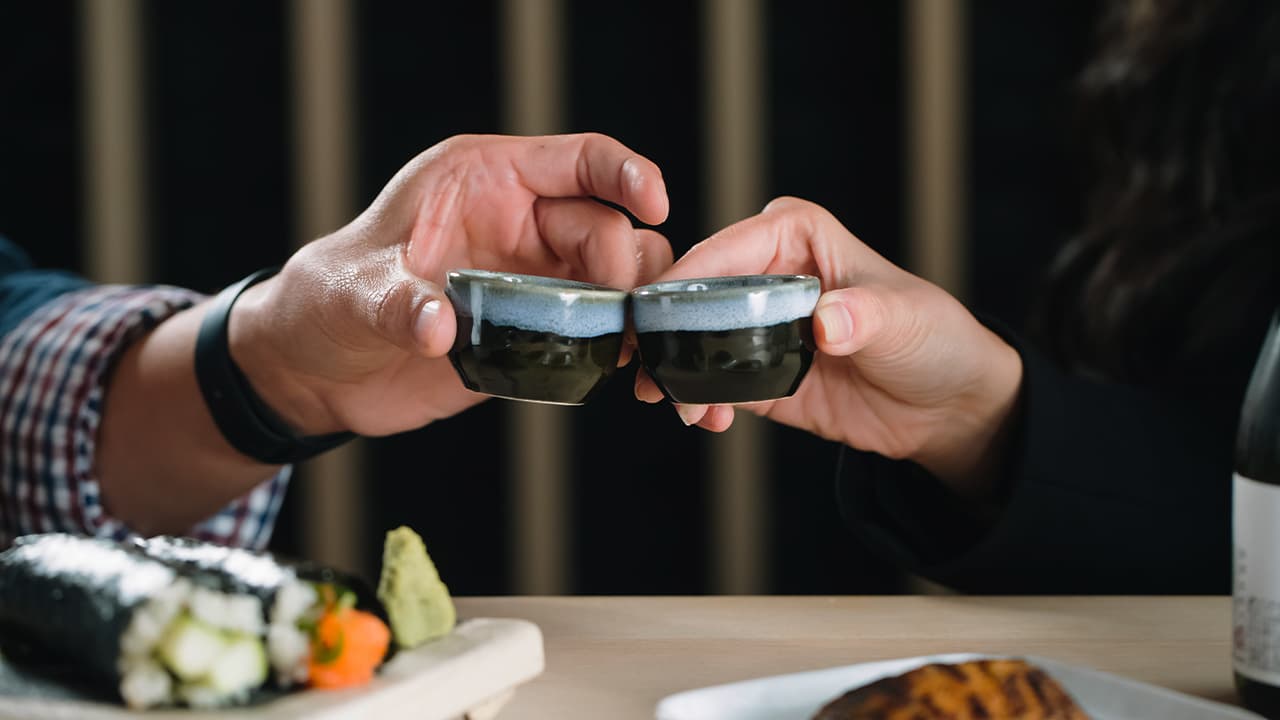
Deukbok Cha’s Nori Handroll Bar plans a spring 2027 opening at Pearl’s Coopers Row. Temaki travels as a visible counter with less ceremony than omakase, and room for Korean flavors on a Japanese roll.
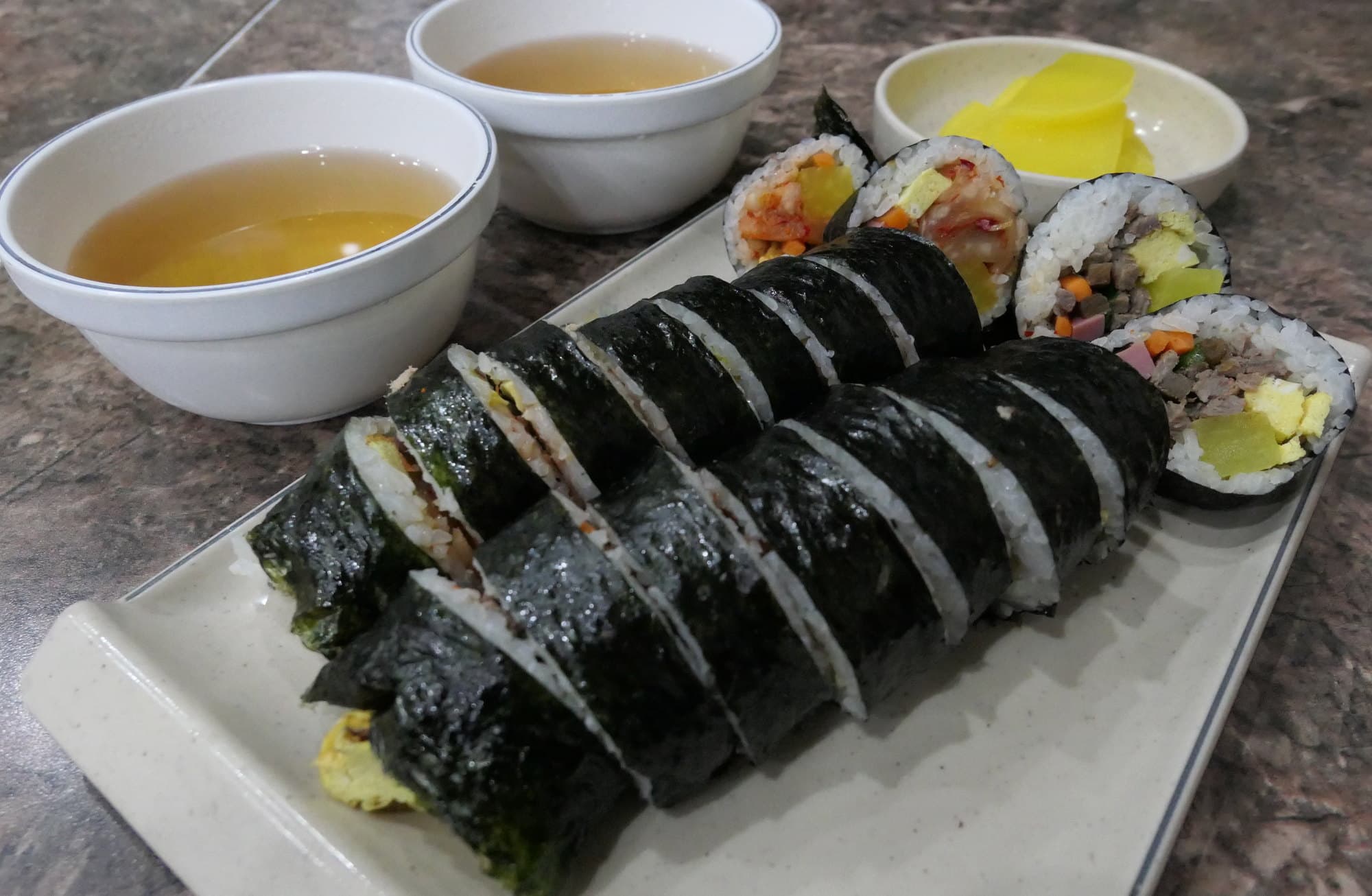
A July 24 shop opening, frozen gimbap still in Costco, and a wave of temaki bars landed in one American week. Rice seasoning, seaweed, and temperature still tell them apart.
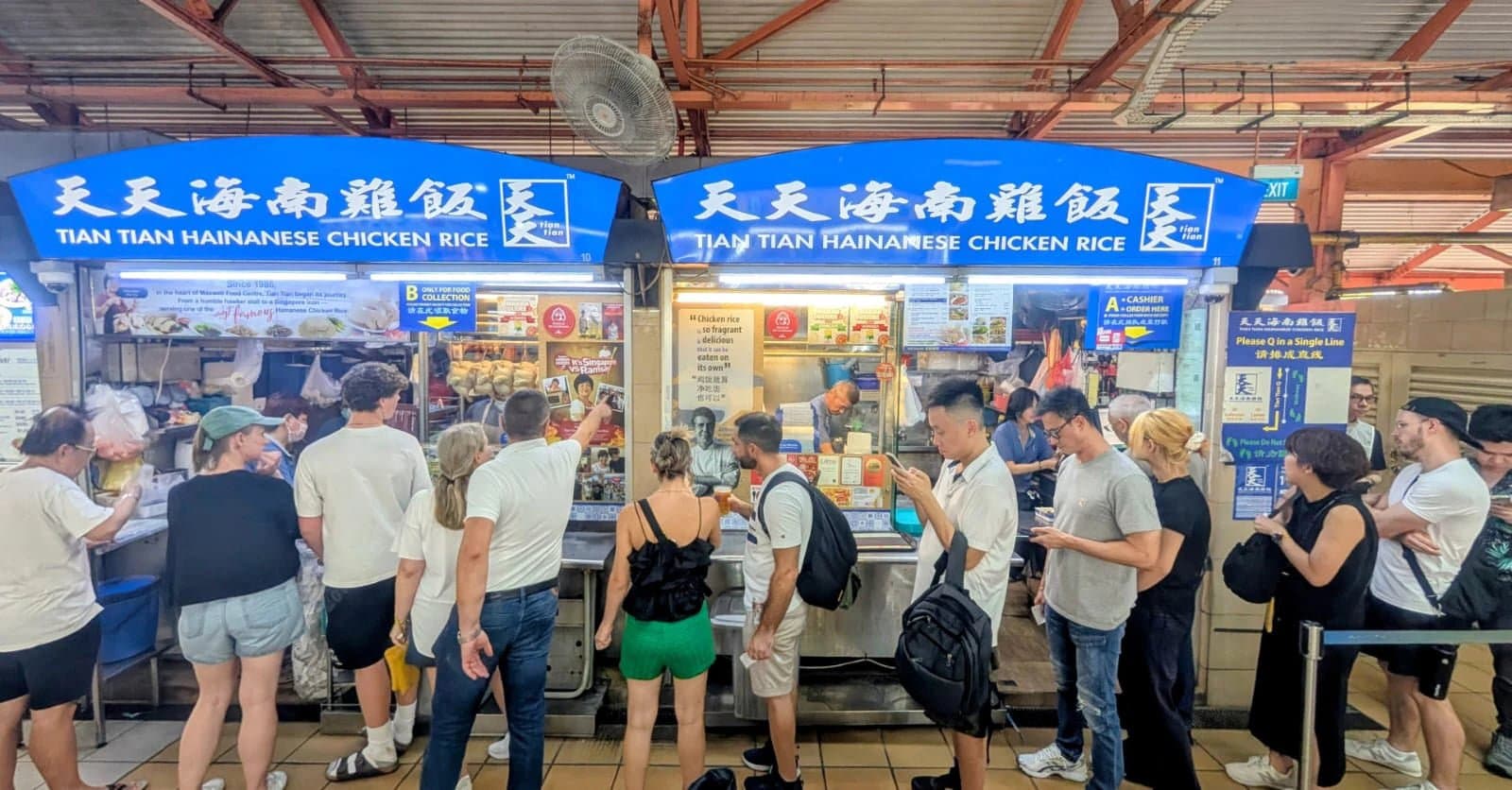
The Maxwell Bib Gourmand chicken-rice stall now has a 98-seat airport room, open daily to 10 p.m., for travelers who used to miss the plate.
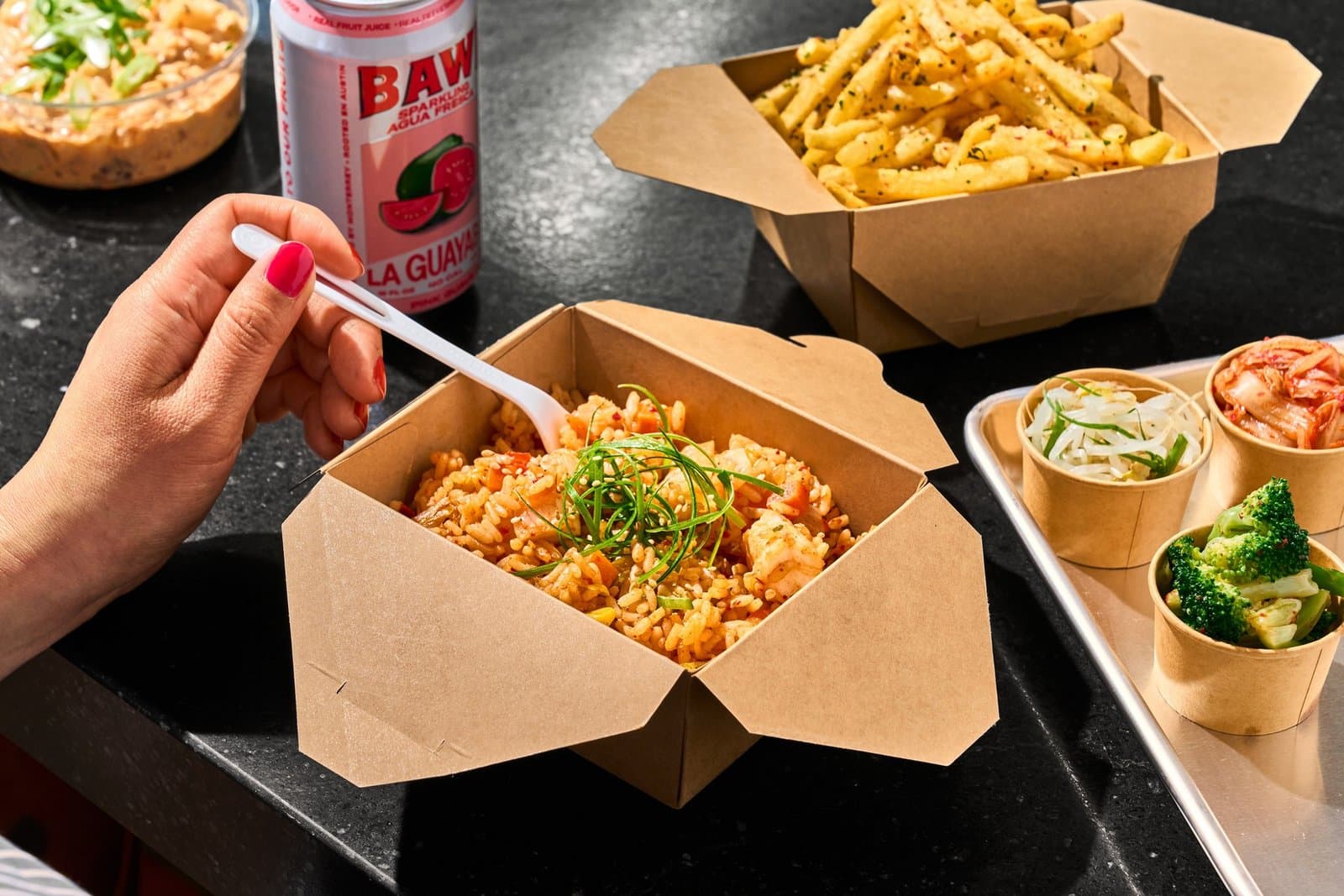
At Tunnel Tops, consulting chef Peter Serpico’s Boda counter serves kimchi fried rice and Korean fried chicken for blankets and playgrounds, not only reservation books.
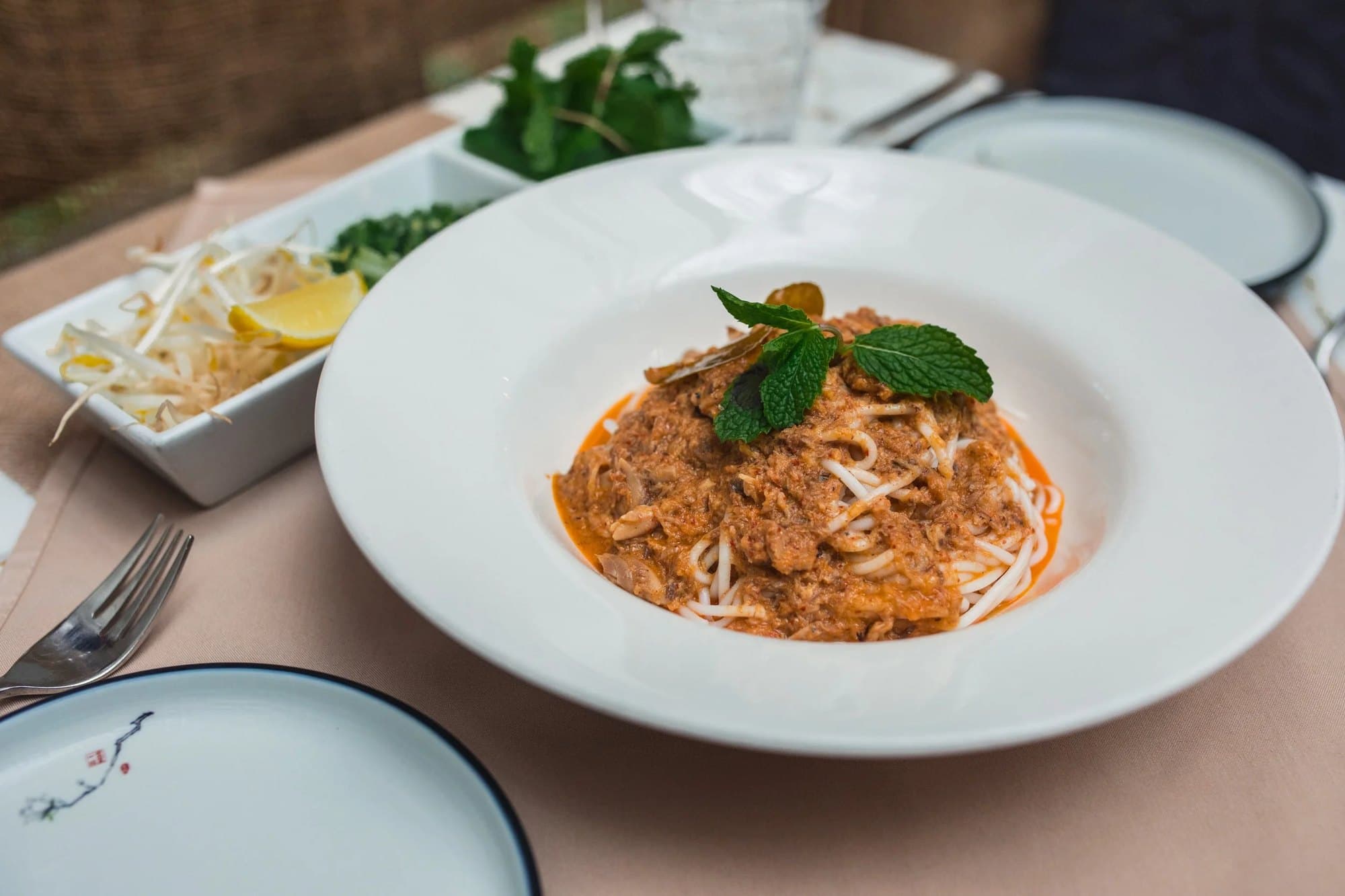
The Michelin Bib Gourmand Cambodian restaurant on the Upper East Side closed August 3 as Truong retired, taking a rare storehouse of Khmer cooking memory with it.
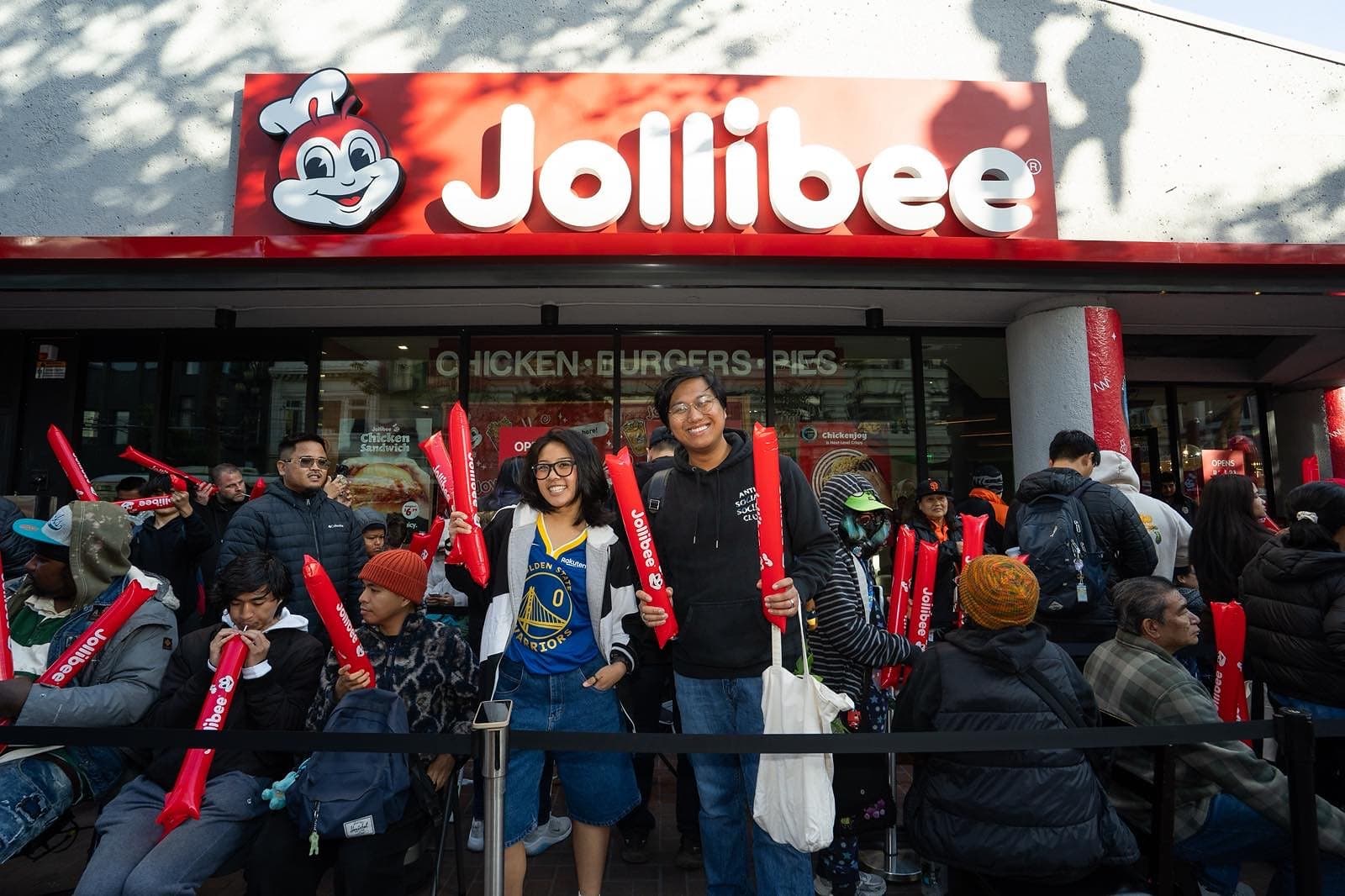
Overnight lines on Market Street showed how a Filipino brand can create destination demand while many downtown restaurant concepts still struggle to fill the same corridor.
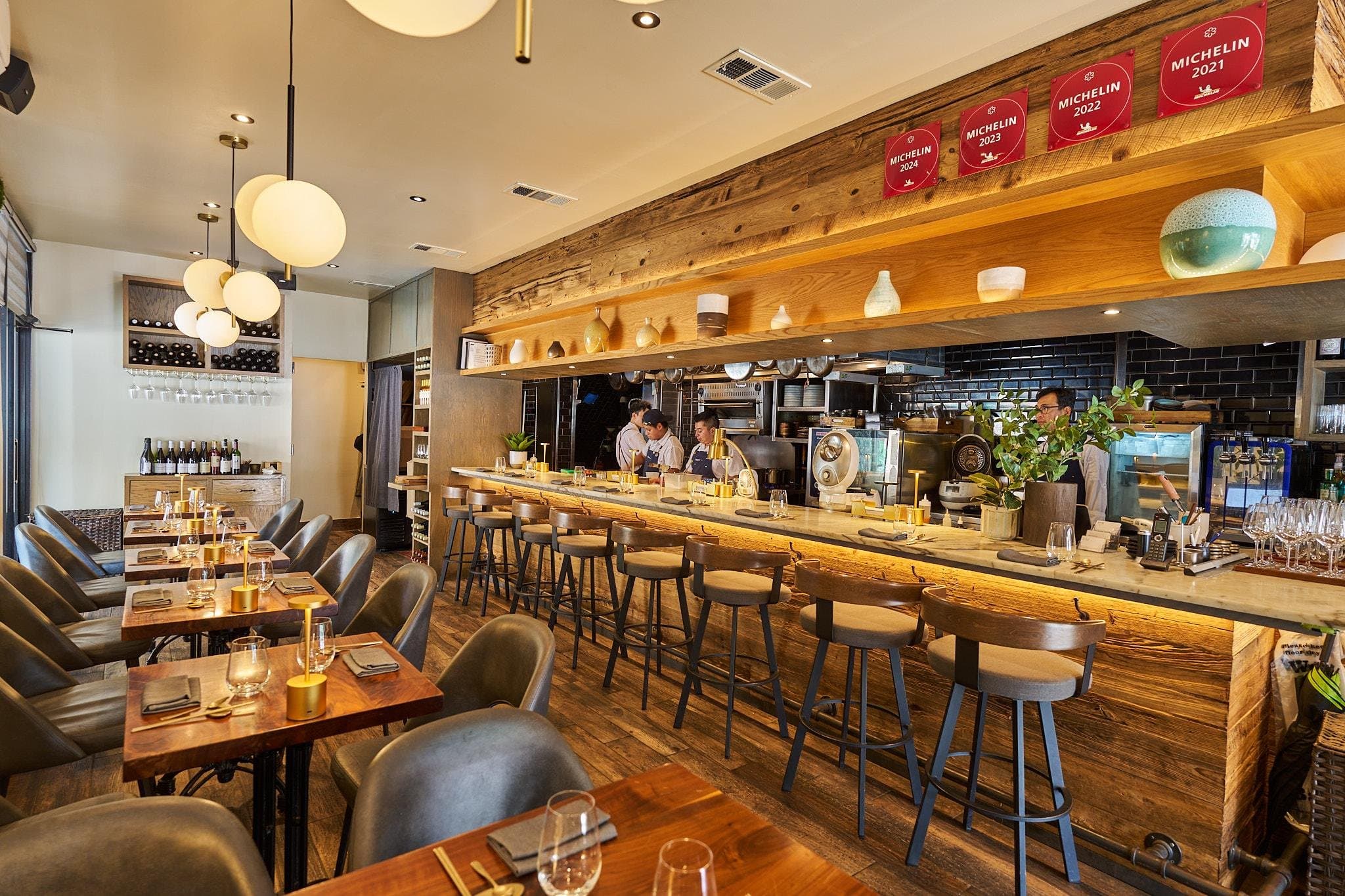
Kochi in New York has been serving a Jongga-kimchi bibimbap through August. The year-long run shows how a packaged brand can enter fine dining without only buying sponsorship visibility.
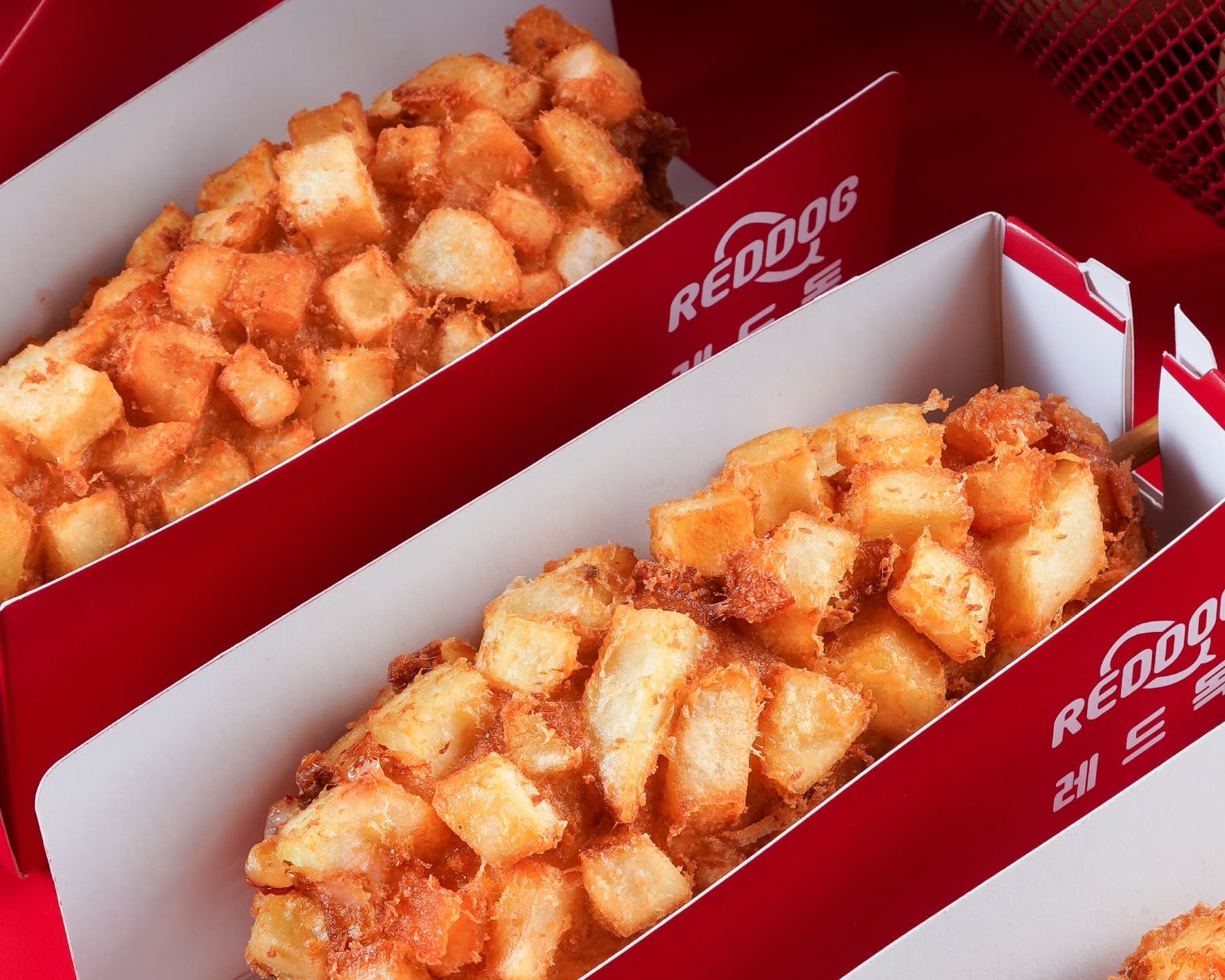
The bunsik chain’s first-half revenue jumped about 88 percent and operating profit about 143 percent. Tteokbokki and Korean corn dogs travel as counters, not as full Korean dining rooms.
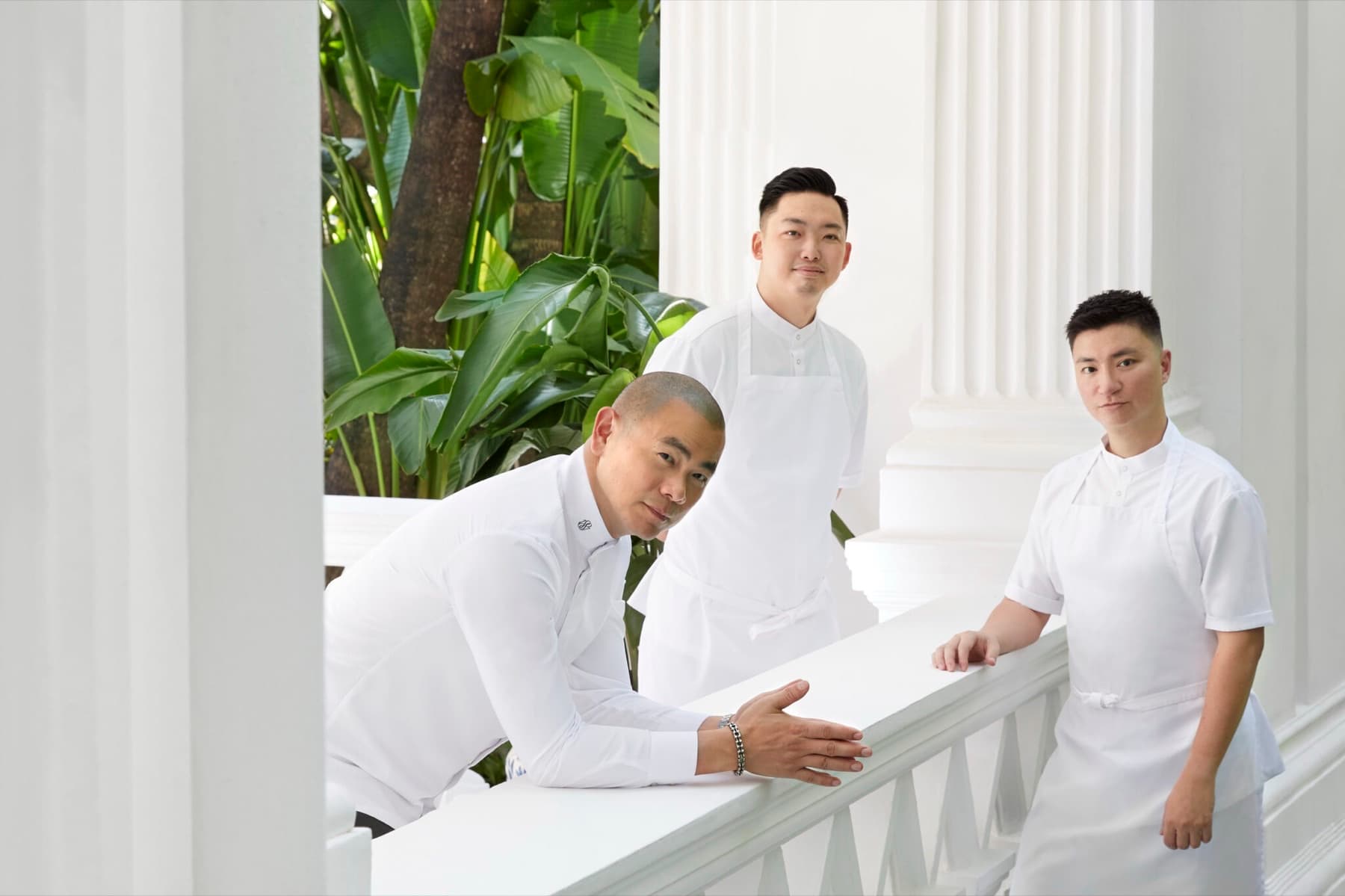
On the guide’s tenth edition, the real news is 1887 by André’s two-star debut, Seroja’s promotion, and which cuisines are gaining institutional weight.
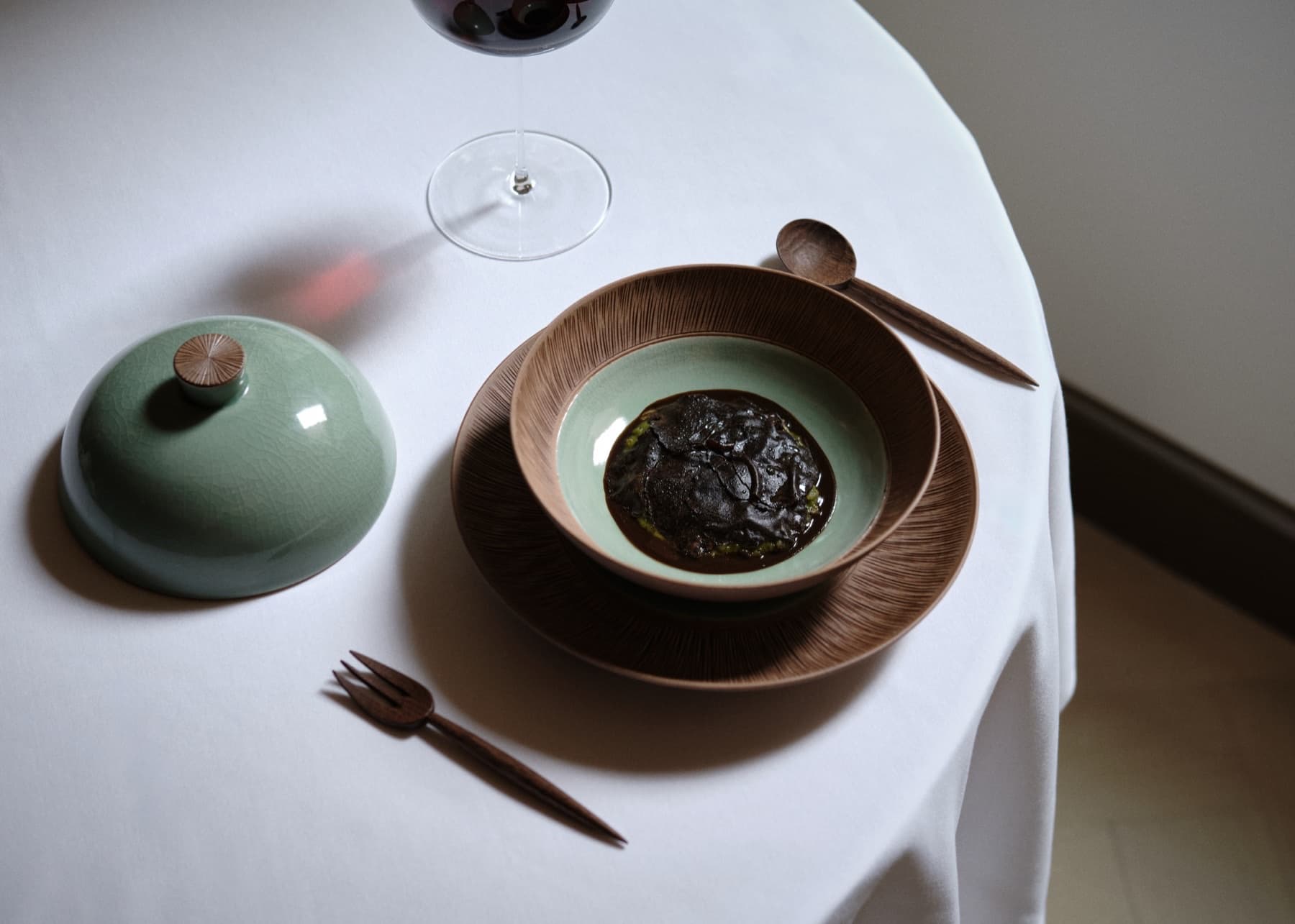
Hasung Lee’s Oyatte runs an eight-course menu on Crown Daisy Farm produce and house ferments. Class Wars filled the book for a kitchen planned long before the cameras.
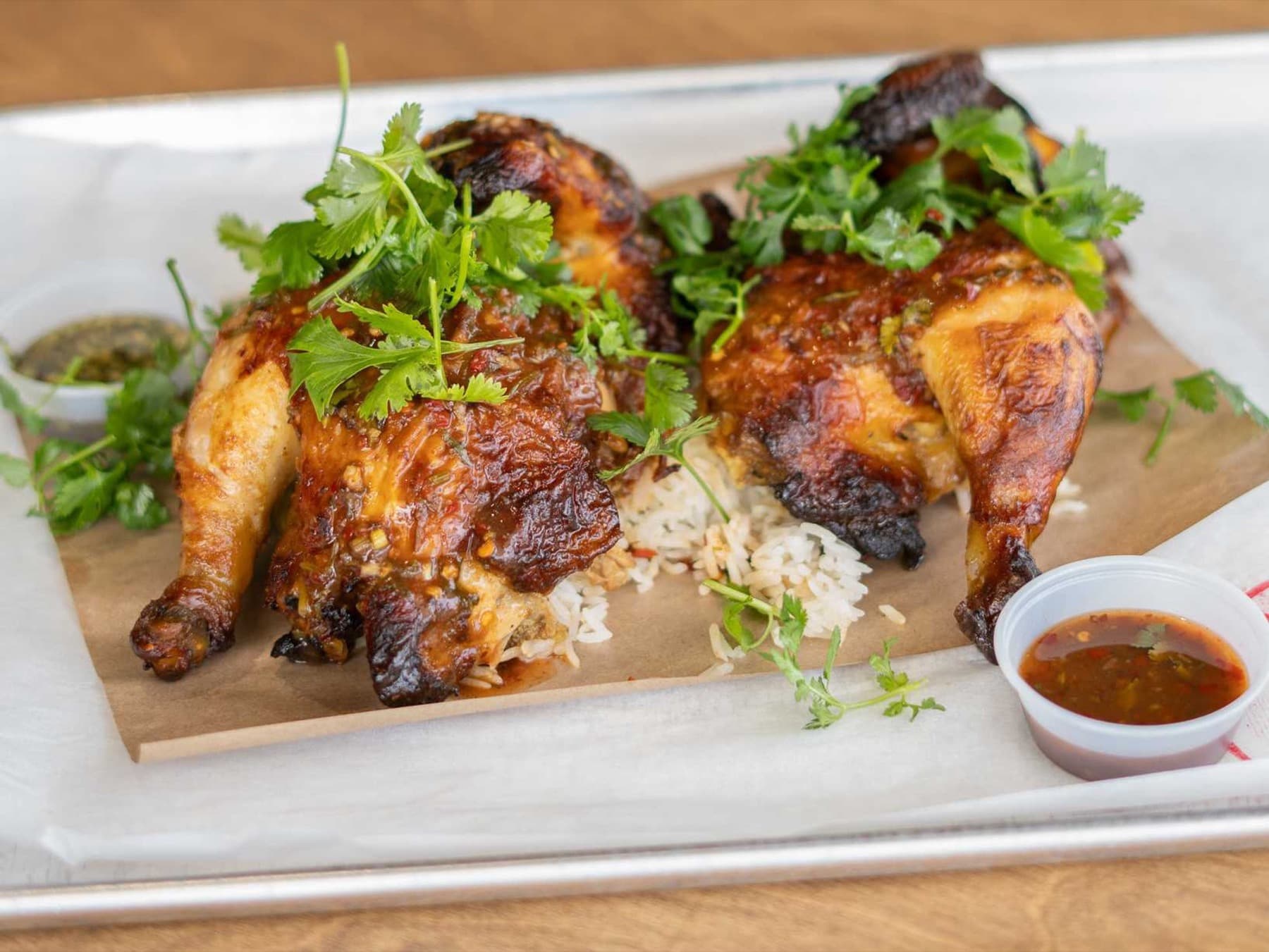
Castle Hills build-out is underway for San Antonio’s Thai chicken-and-wine room. The narrow menu is the point: rotisserie, fried chicken, lemongrass tofu, and gluten-free cooking with a sense of place.
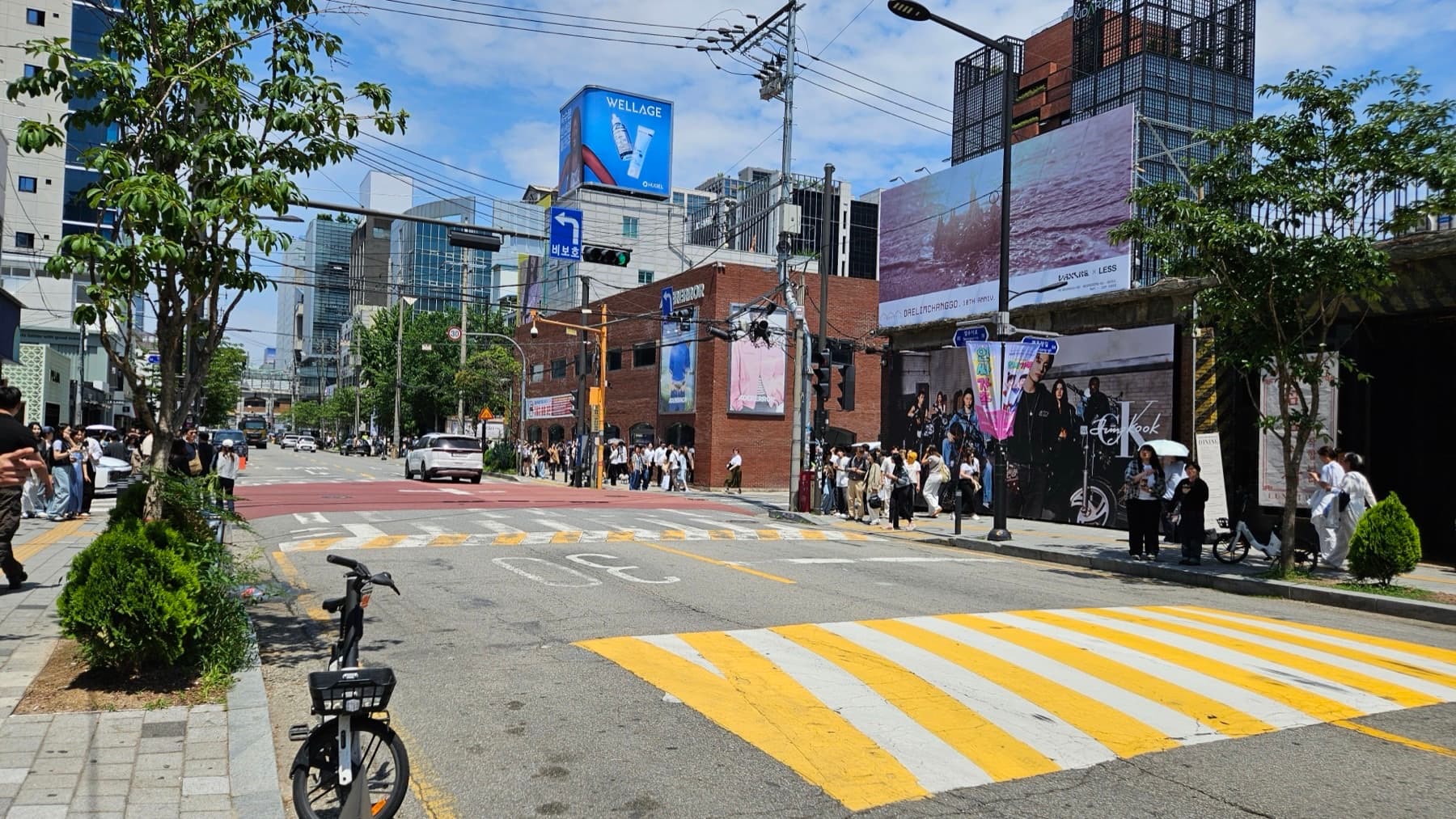
Spotify House returns to Anderson C for four days in September. Around it, Seongsu’s cafés and warehouses already turn brand culture into foot traffic.
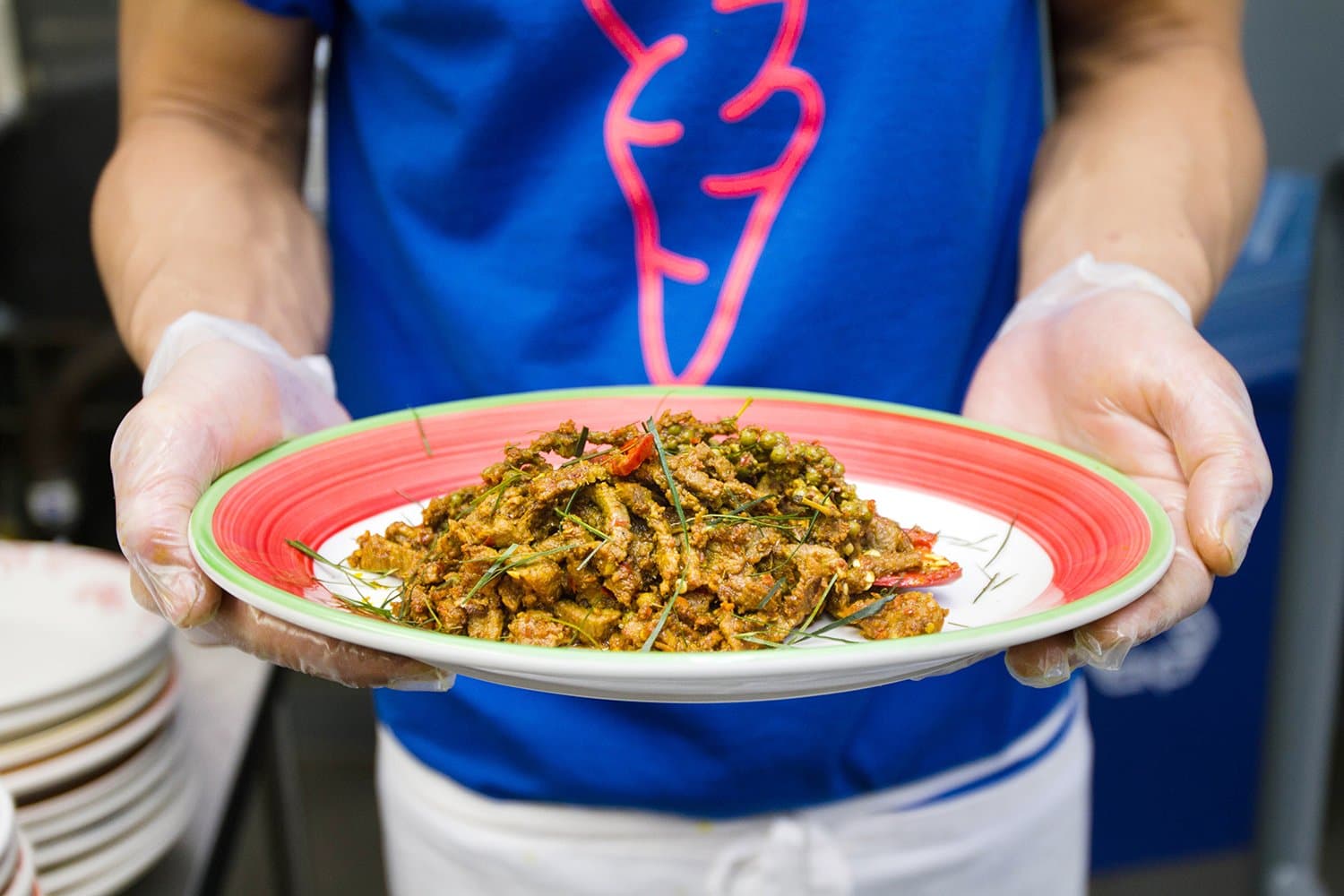
The cult Brooklyn Thai kitchen returns at 364 Grand Street in a larger former Emmy Squared space, with a wider menu, a full bar, and Hungry Thirsty still holding the old Carroll Gardens address.
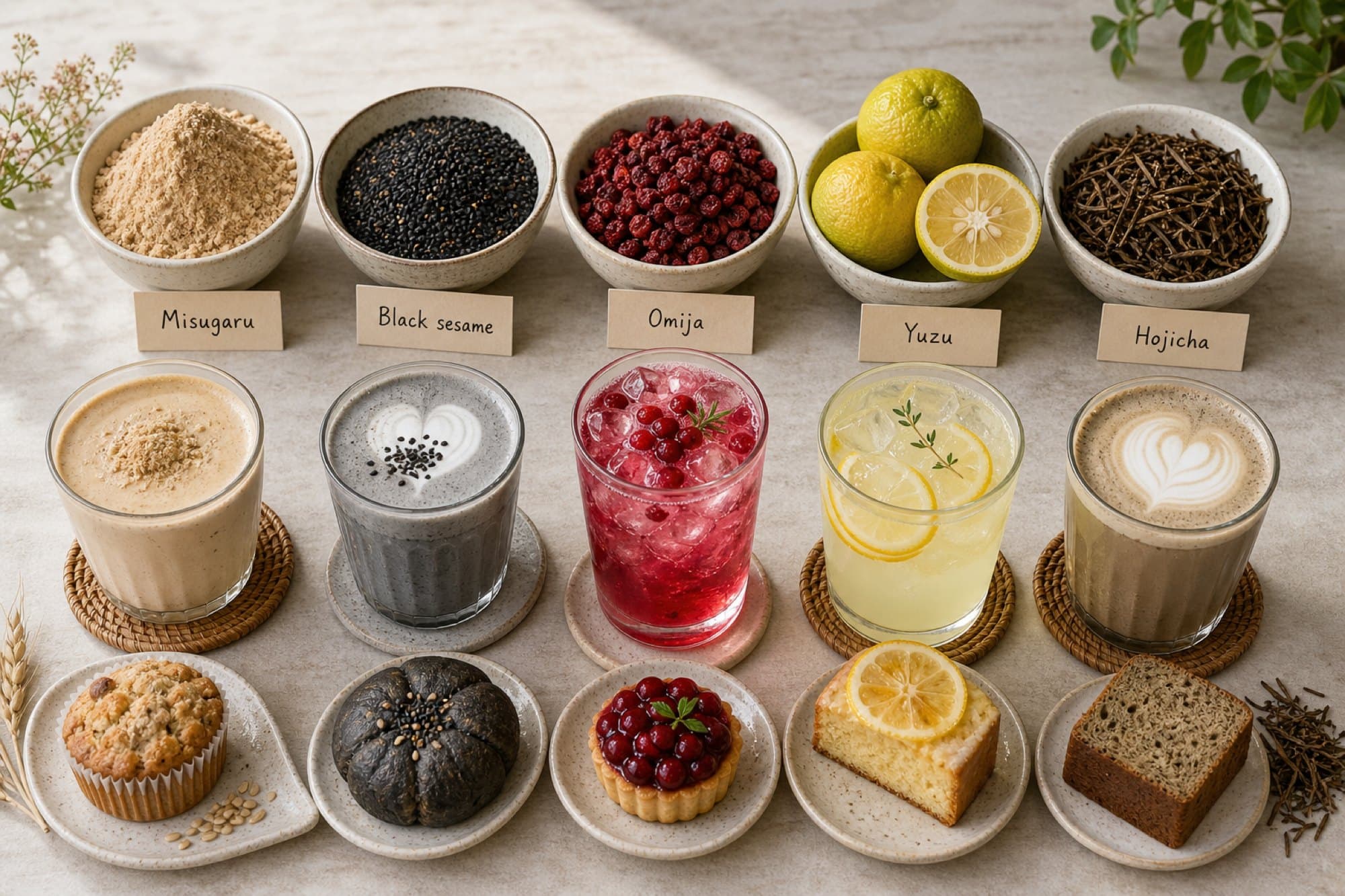
Roasted grain powder, dark sesame paste, five-flavor berries, yuzu preserve, and hojicha are showing up in lattes and bakery cases. What each one is, and how to keep its character when you cook with it at home.
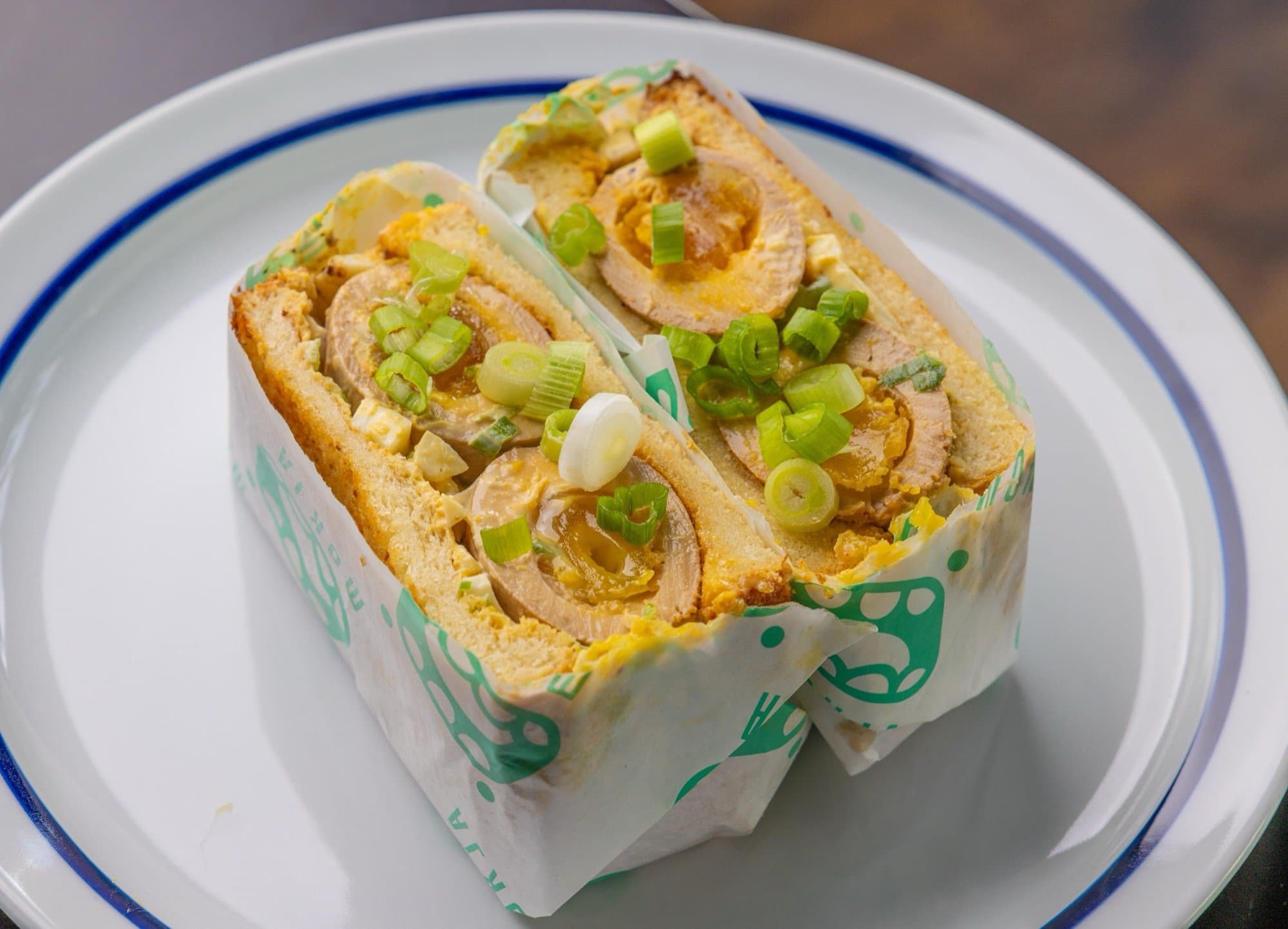
Chef Debbie Lee and Be Bright Coffee’s Frank and Michelle La open a Korean café-market hybrid next to Yi Cha, with DIY ramen, pantry drinks, and a second location planned for Orange County.
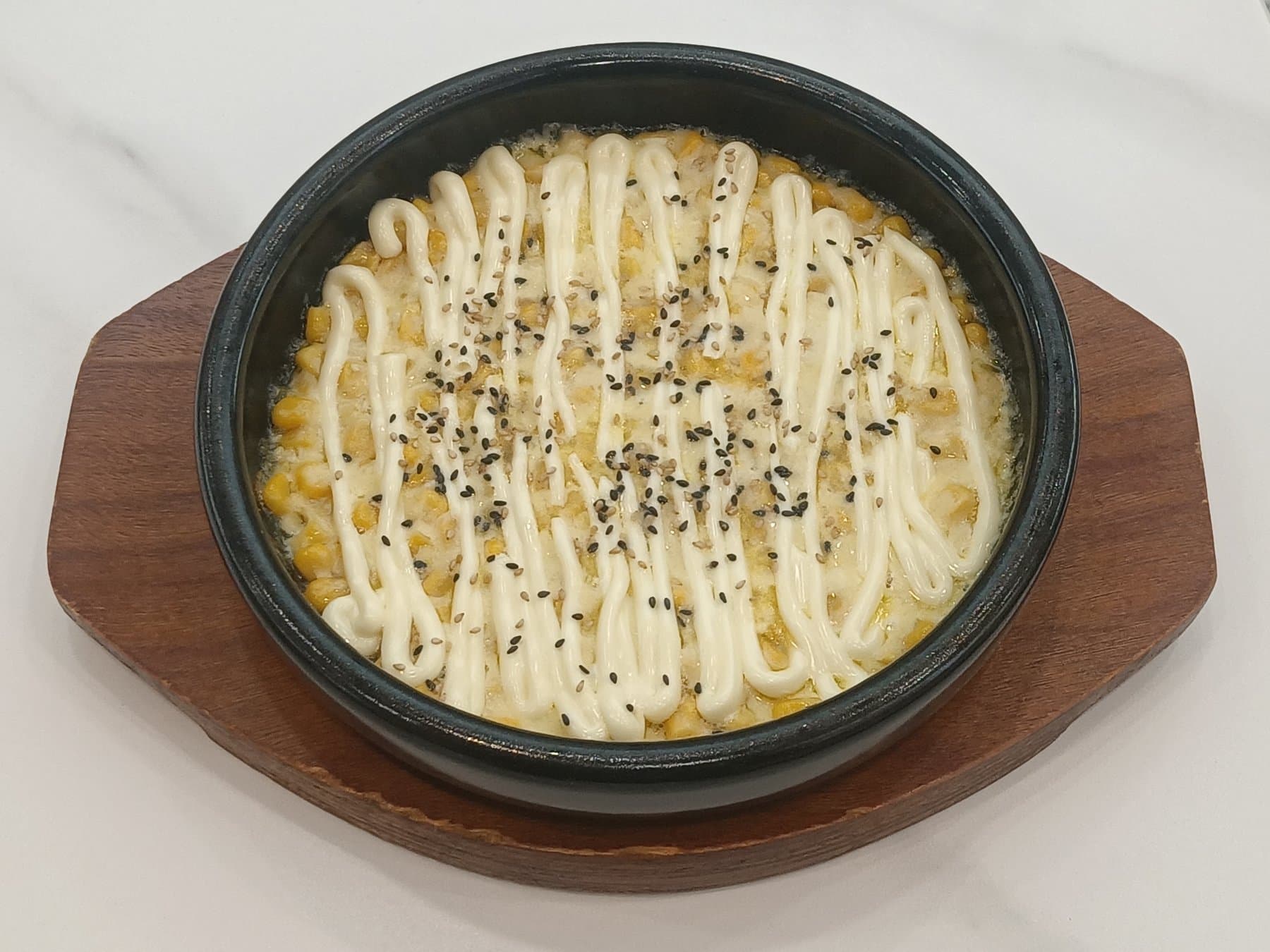
Record U.S. cheese production and softer domestic demand are sending American blocks toward pizza kitchens, bakeries, convenience foods, and localized dishes like corn cheese, while European names still hold the prestige shelf.
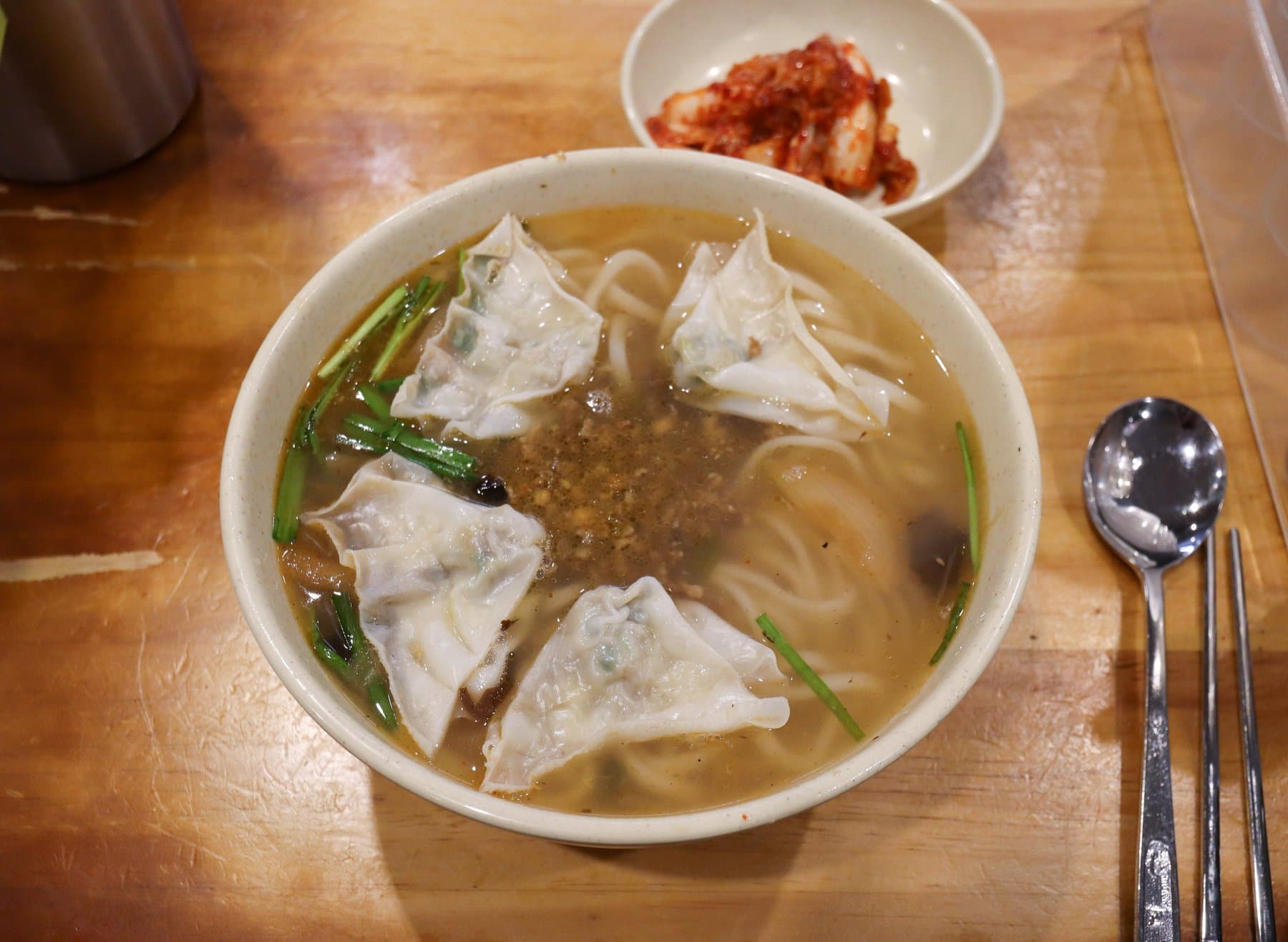
Ministry data covering 2023–2025 show 21 Food Sanitation Act violations at Guide restaurants, from skipped hygiene training to a two-star kitchen referred for serving unapproved ants. A Michelin listing rates the meal, not the ministry’s checklist.

A two-year reduction from next April aims to ease grocery bills amid sticky food prices and a weak yen, though restaurant meals stay at 10% and savings may not erase higher rice and import costs.
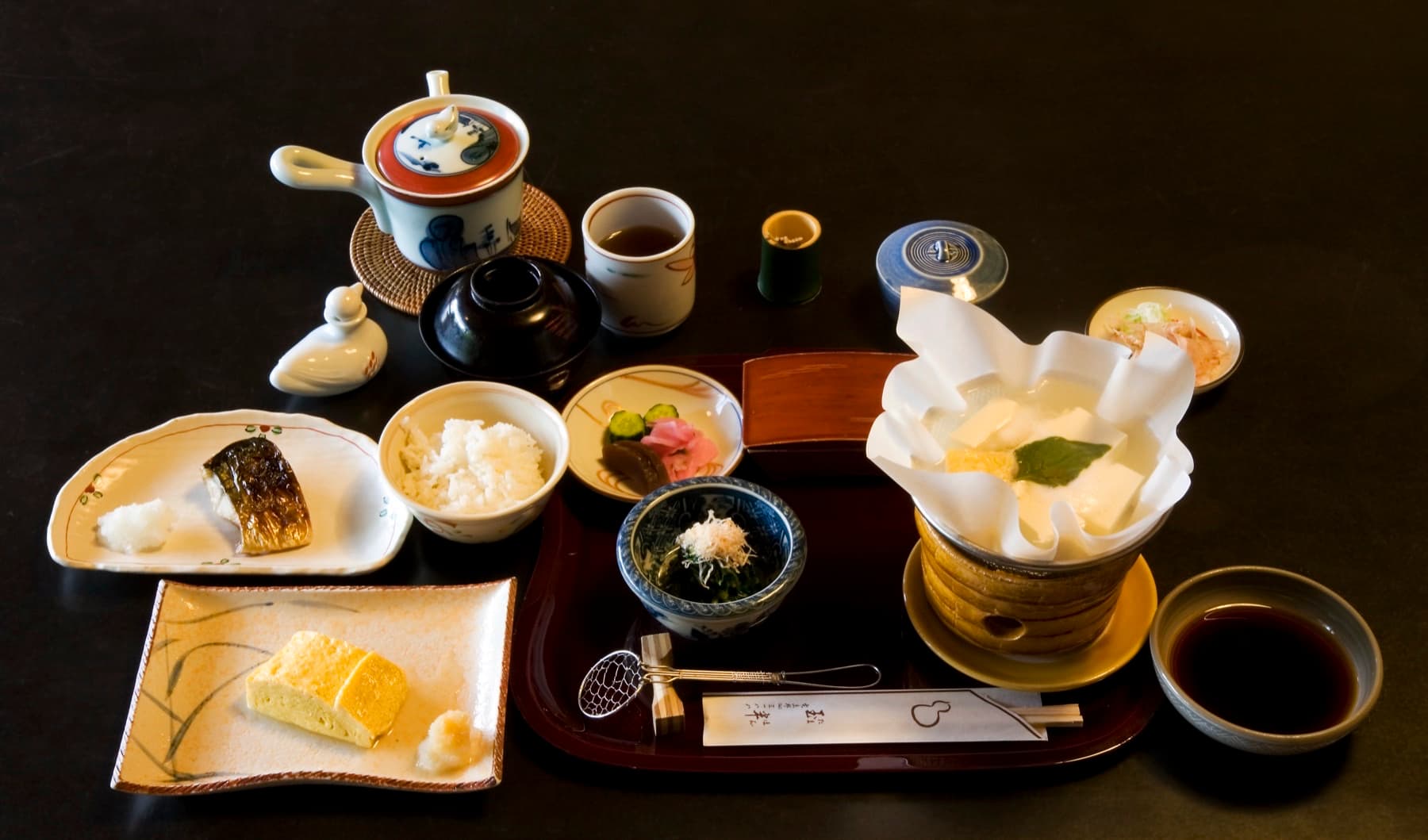
Rice, grilled fish, miso soup, pickles, and tamagoyaki are showing up on trays from Little Tokyo to Brooklyn as a calmer, savory alternative to sugar-heavy weekend brunch.
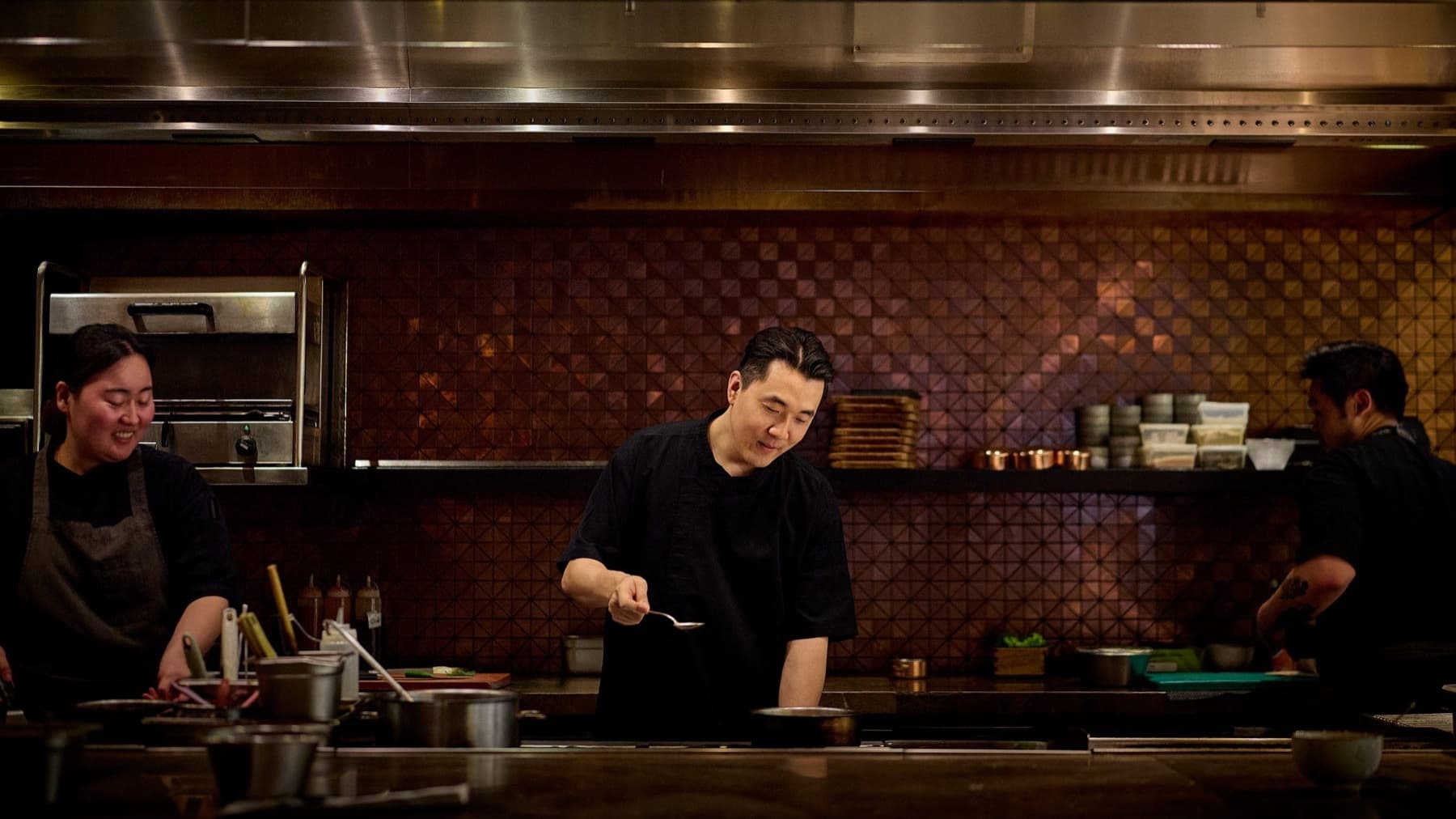
The Michelin-starred Singapore chef’s modern Korean steakhouse takes over ATAS at The RuMa from August 1 through November, with charcoal-grilled Hanwoo and comfort plates built for sharing.
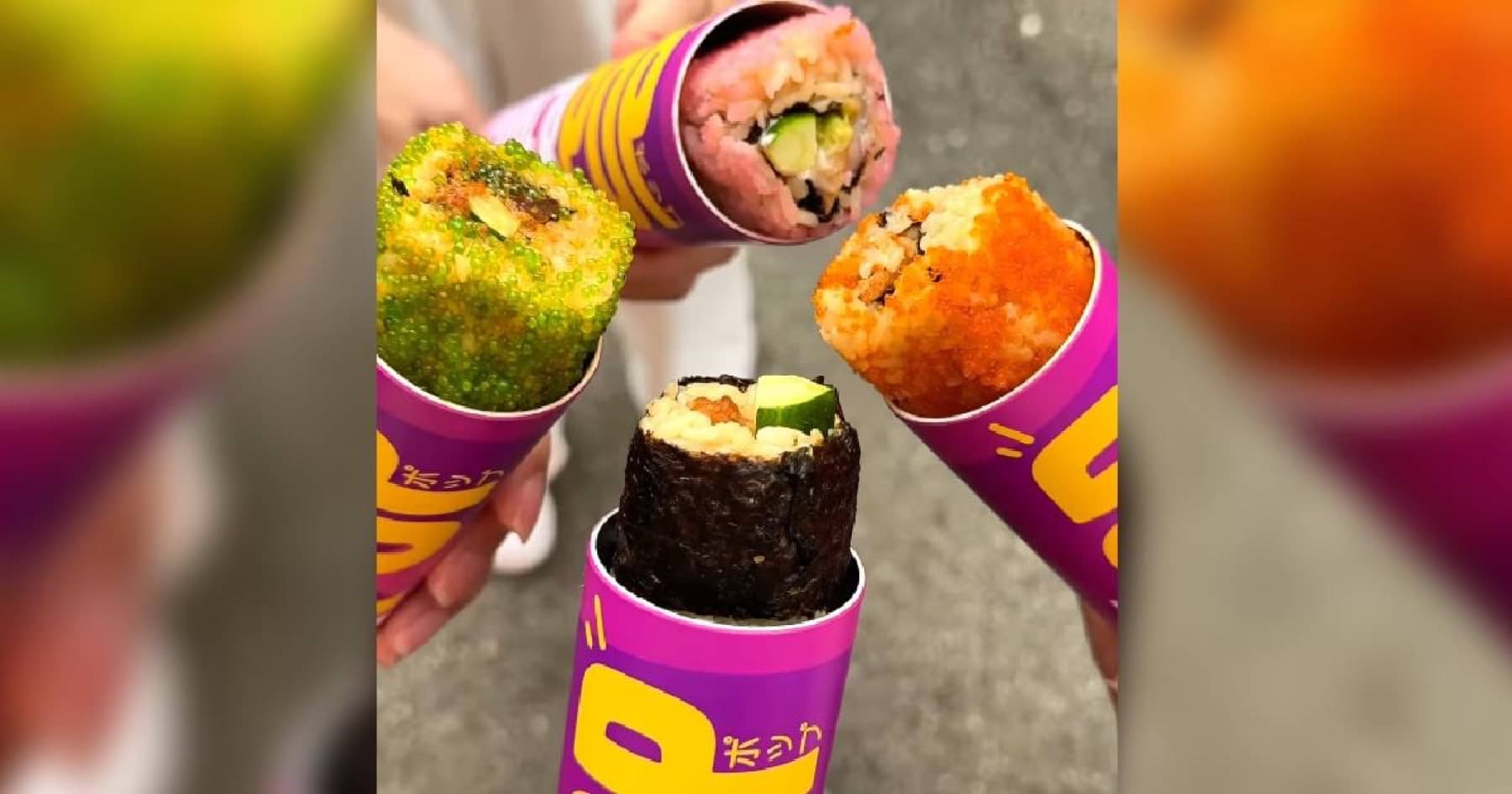
The mall grab-and-go chain’s cylindrical maki tubes, with a soy sauce straw, landed on GrabFood August 3 after an Instagram tease, following the format that took off at Suka Sushi in New York.
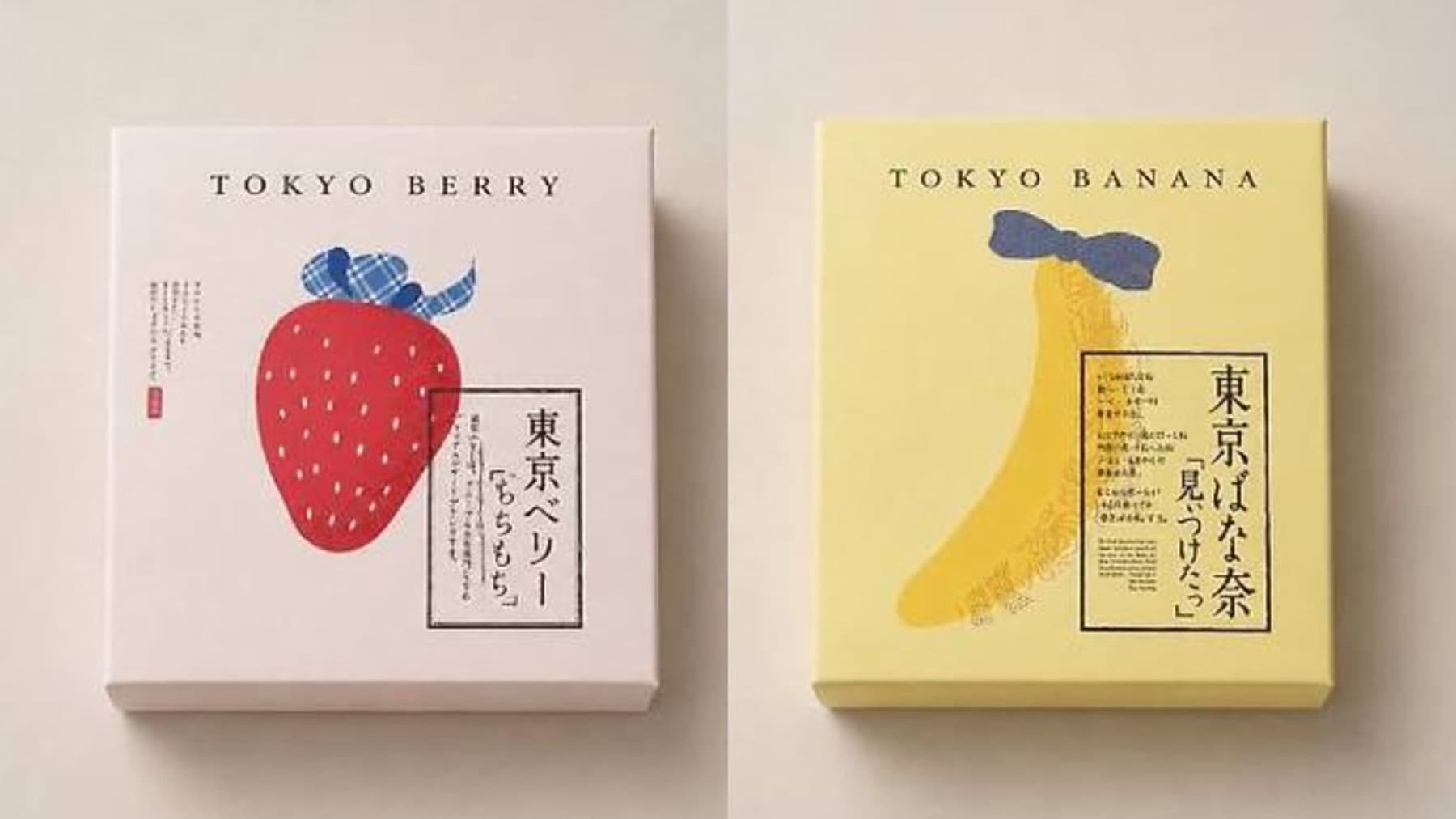
The Korean fruit-mochi brand’s packaging and Tokyo-flavored marketing drew a copycat backlash; department stores are canceling further pop-ups while Grapestone reviews the matter.
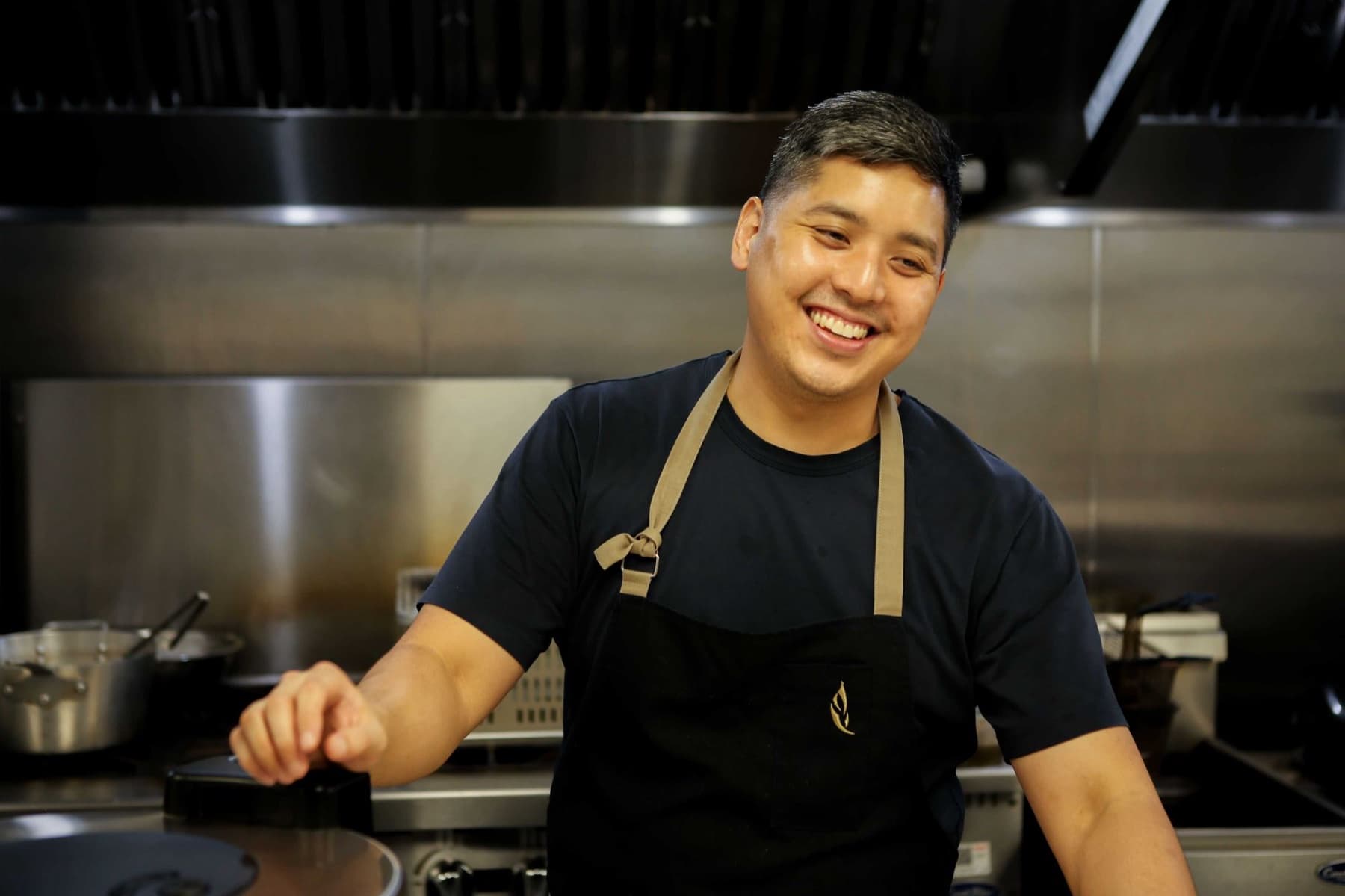
Chef Kris Hoang and Diana Pham’s Vietnamese-Thai stand is leaving Springdale General’s shared kitchen this fall for Howard Post, with room for a fuller menu and a real bar.
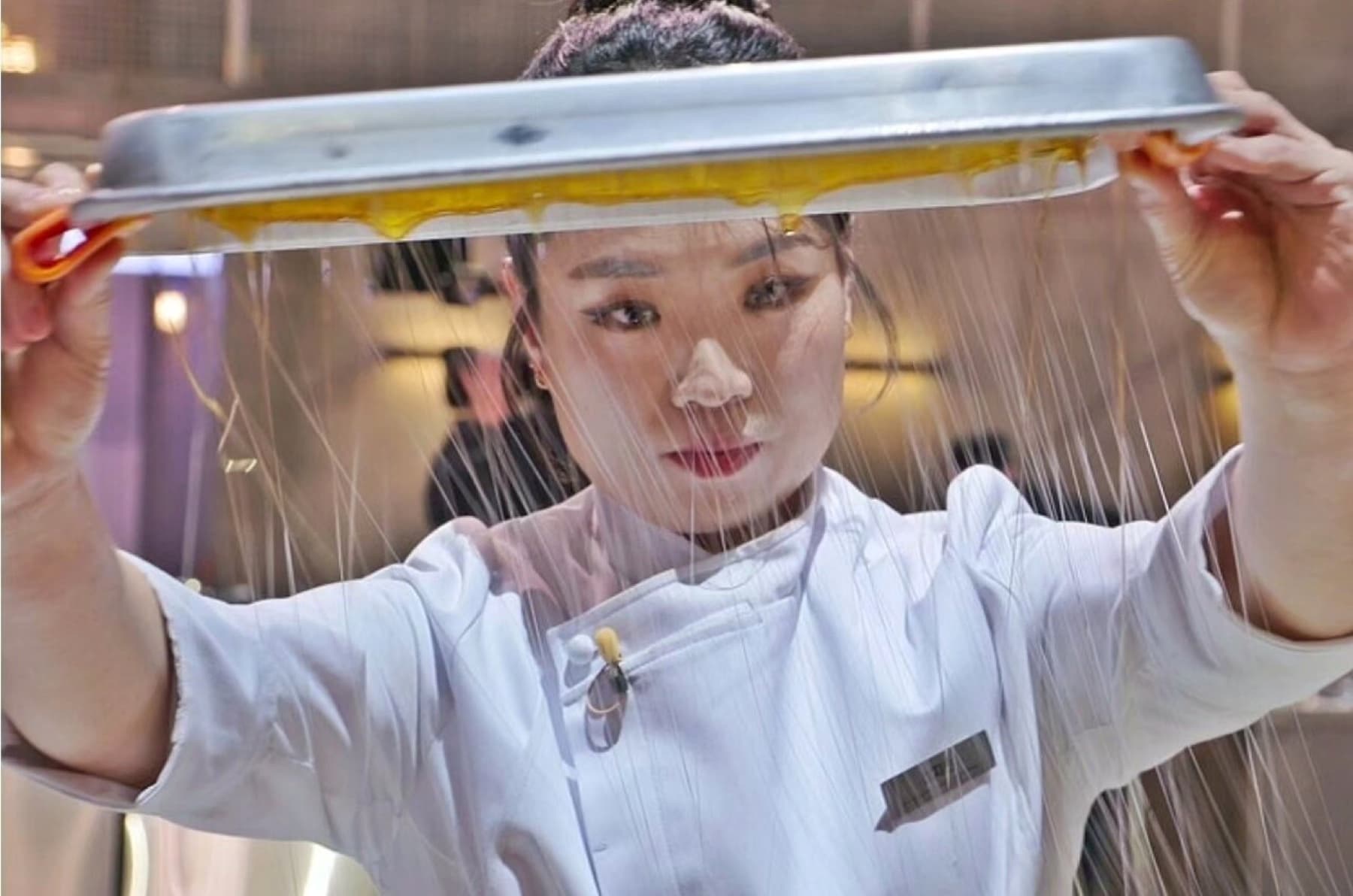
The Culinary Class Wars chef’s Korean-Chinese brand 甜蜜蜜 is aiming for an August open in Zhongshan District, with handmade dim sum and a Taiwan-Korea kitchen transfer already underway.
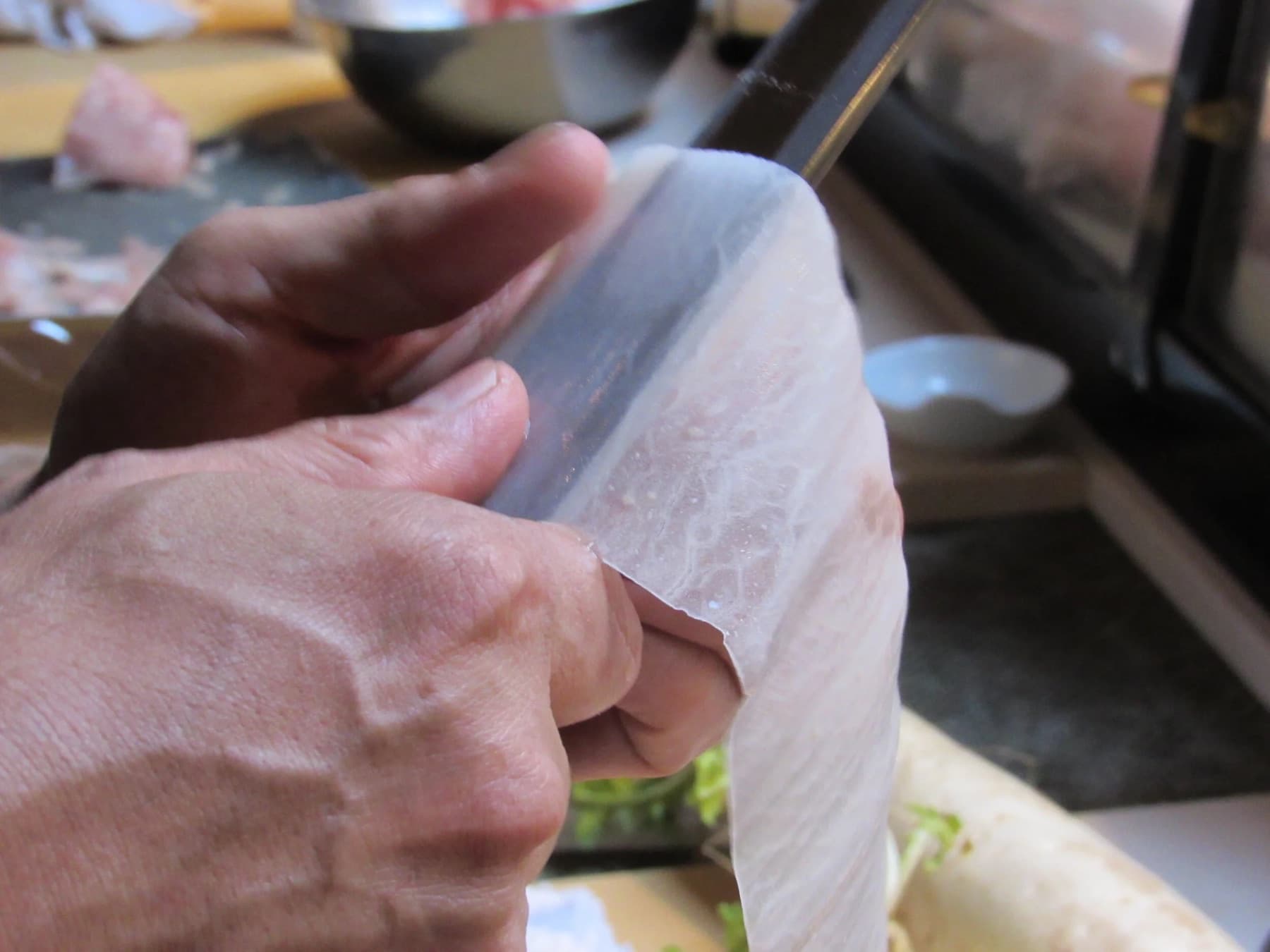
The Mashiko and Sozai chef’s 14-seat, reservation-only room serves a nine-course omakase with Oregon seafood and cooked kitchen plates, not a nigiri parade.
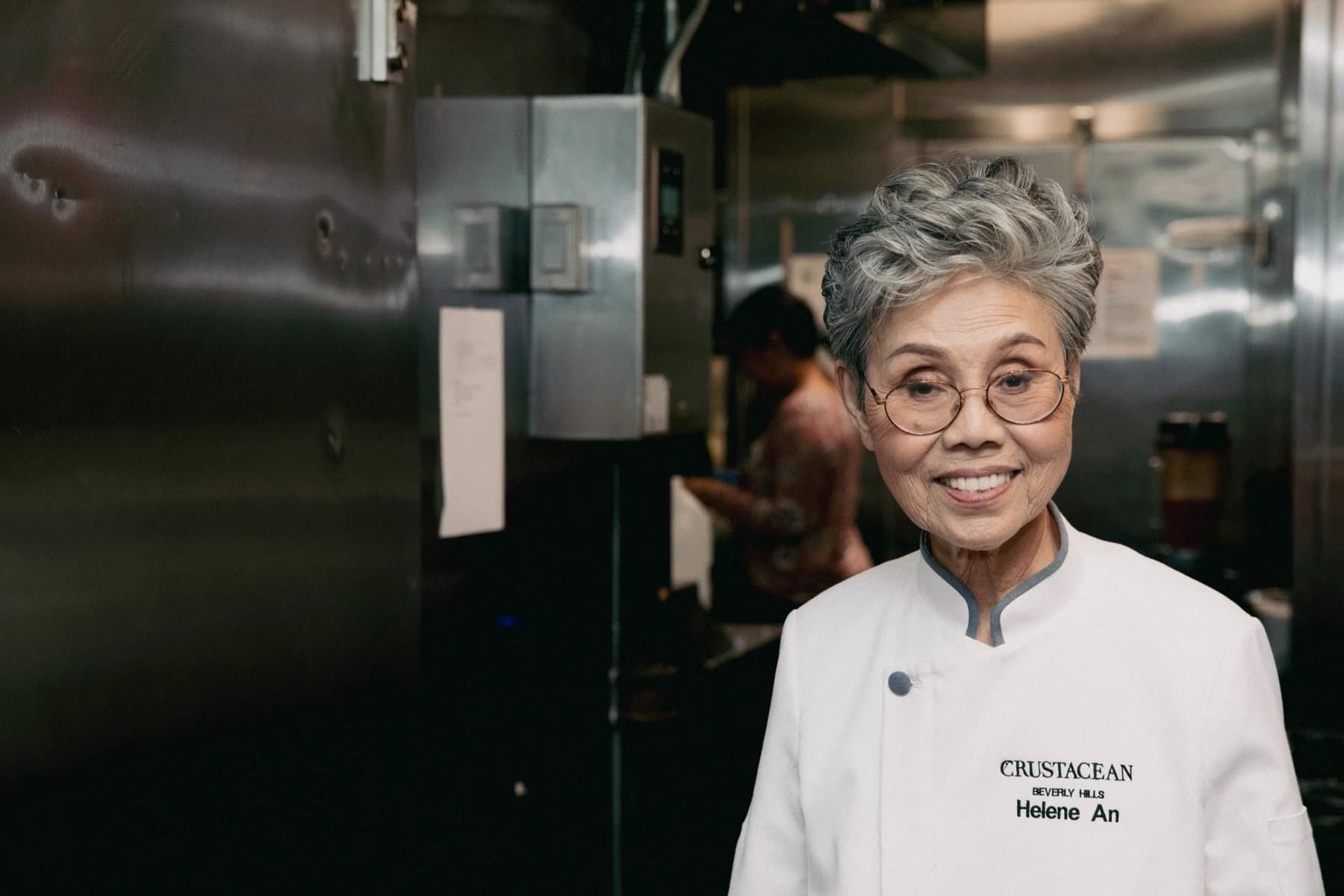
The Bedford Drive landmark returns August 5 for a farewell season of garlic noodles and roasted Dungeness crab after the building sale left the lease unrenewed.
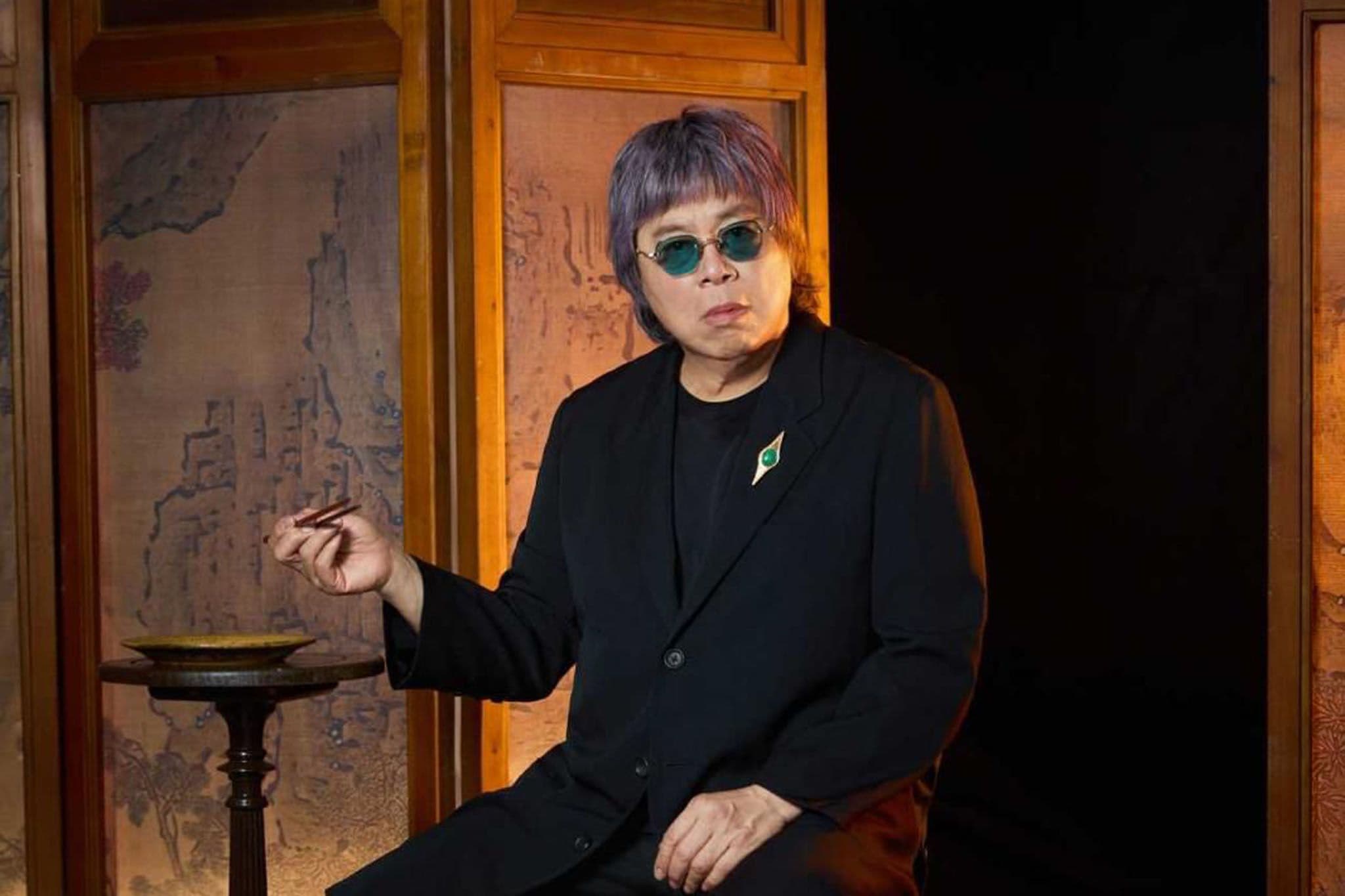
The Demon Chef’s first chophouse, The Leo, brings Canadian Prime, Australian Wagyu, and East and Southeast Asian seafood flavors to Enterprise Boulevard, with aKin kitchen and bar talent on the team.
Fly By Jing’s Original Sichuan Chili Crisp is in Costco warehouses across Los Angeles, Orange County, and Hawaii, with Chili Crisp Noodles arriving August 3. The founder who helped make the jar famous is meeting shoppers in the warehouse aisle.
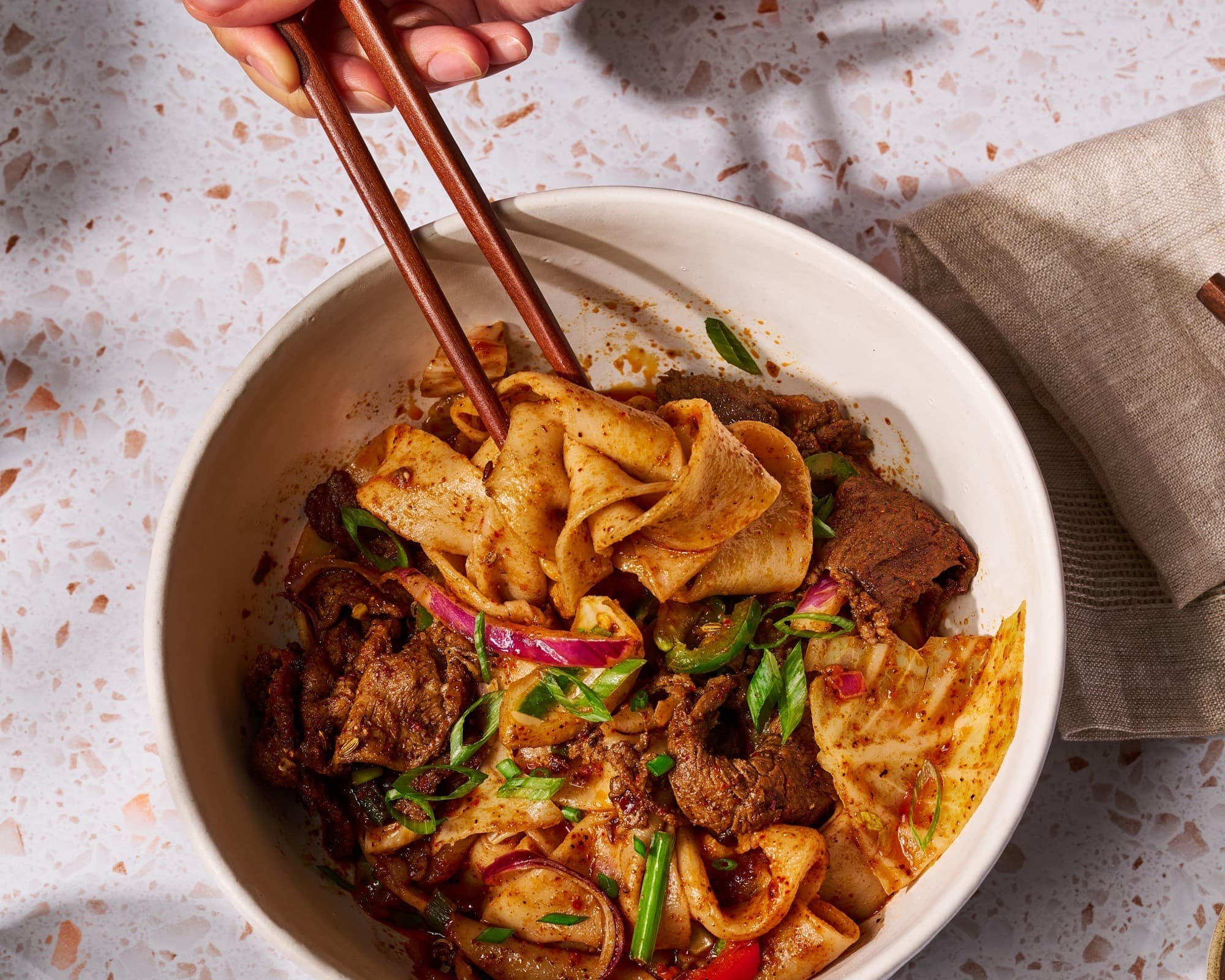
The Flushing-born noodle chain’s cumin lamb hand-ripped noodles get a 66-seat Clarendon room on August 7, after a year of DMV ghost kitchens.
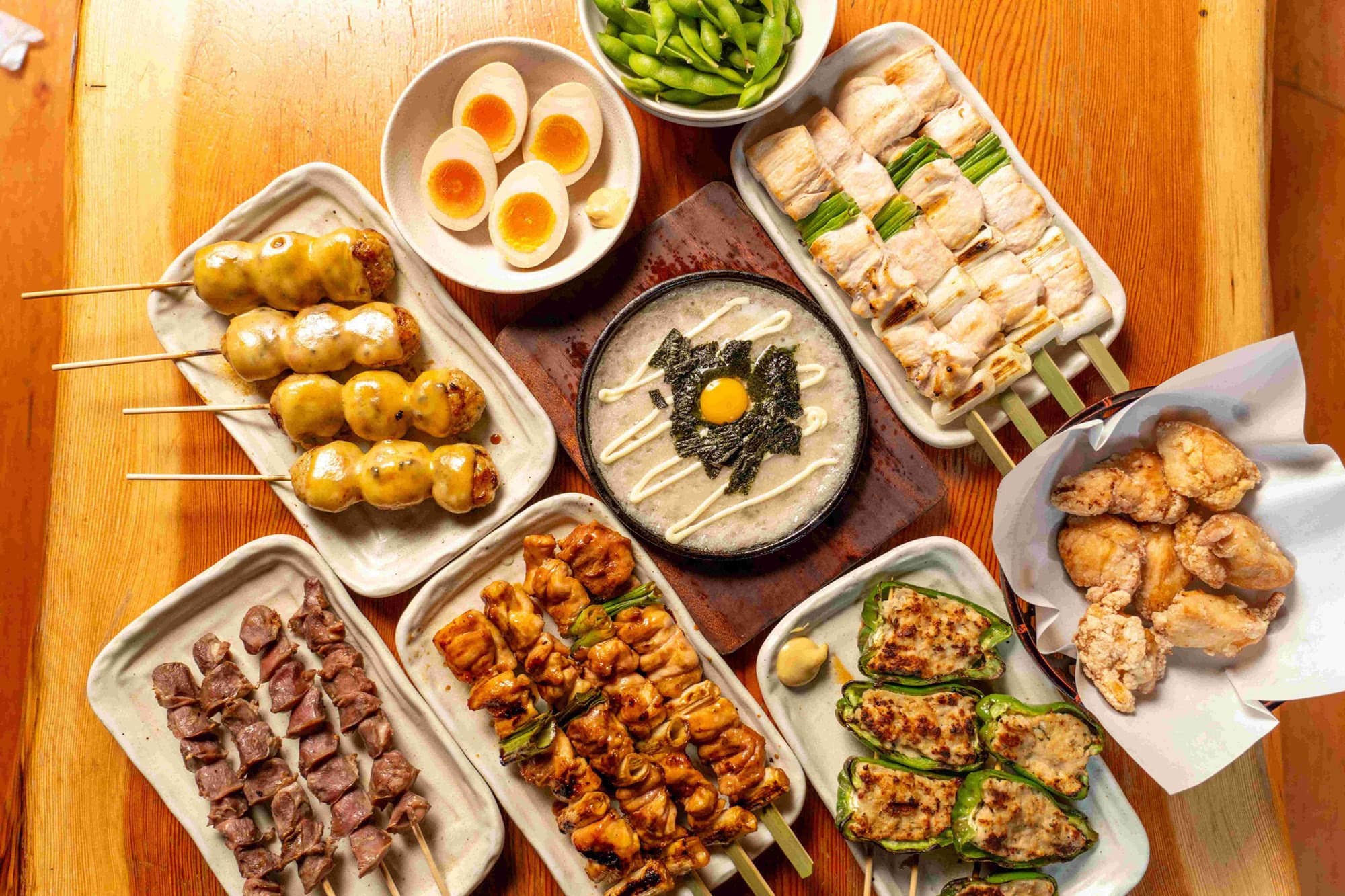
The Osaka yakitori chain’s Grand Plaza room arrives August 4 with tablet ordering, midnight hours, and the same HK$19.90 / $29.90 menu that filled Tuen Mun queues.
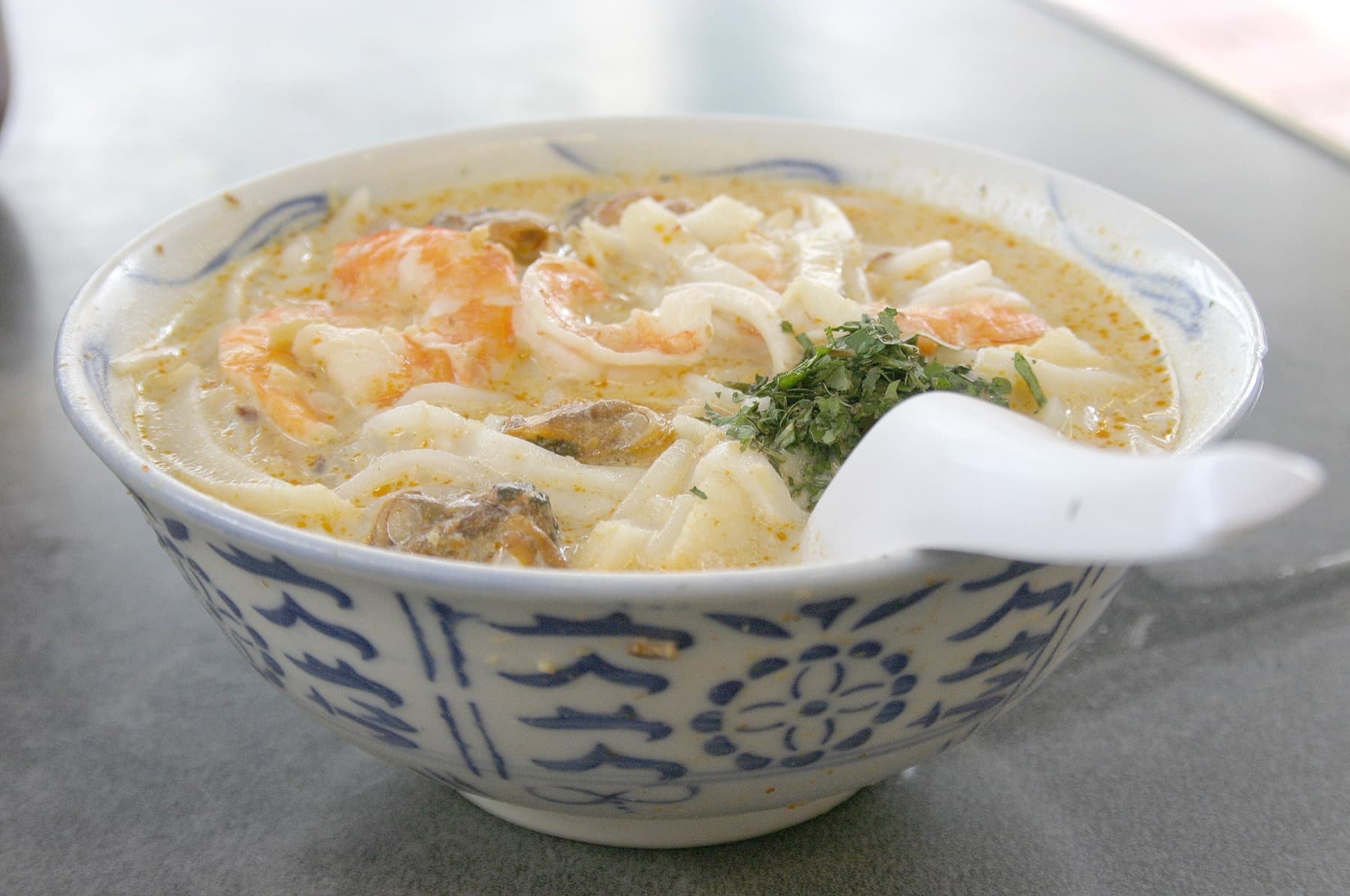
The 10th-edition Bib Gourmand picks high-quality food at good value, not stars. Ten newcomers joined on July 28; the full guide lands August 4.
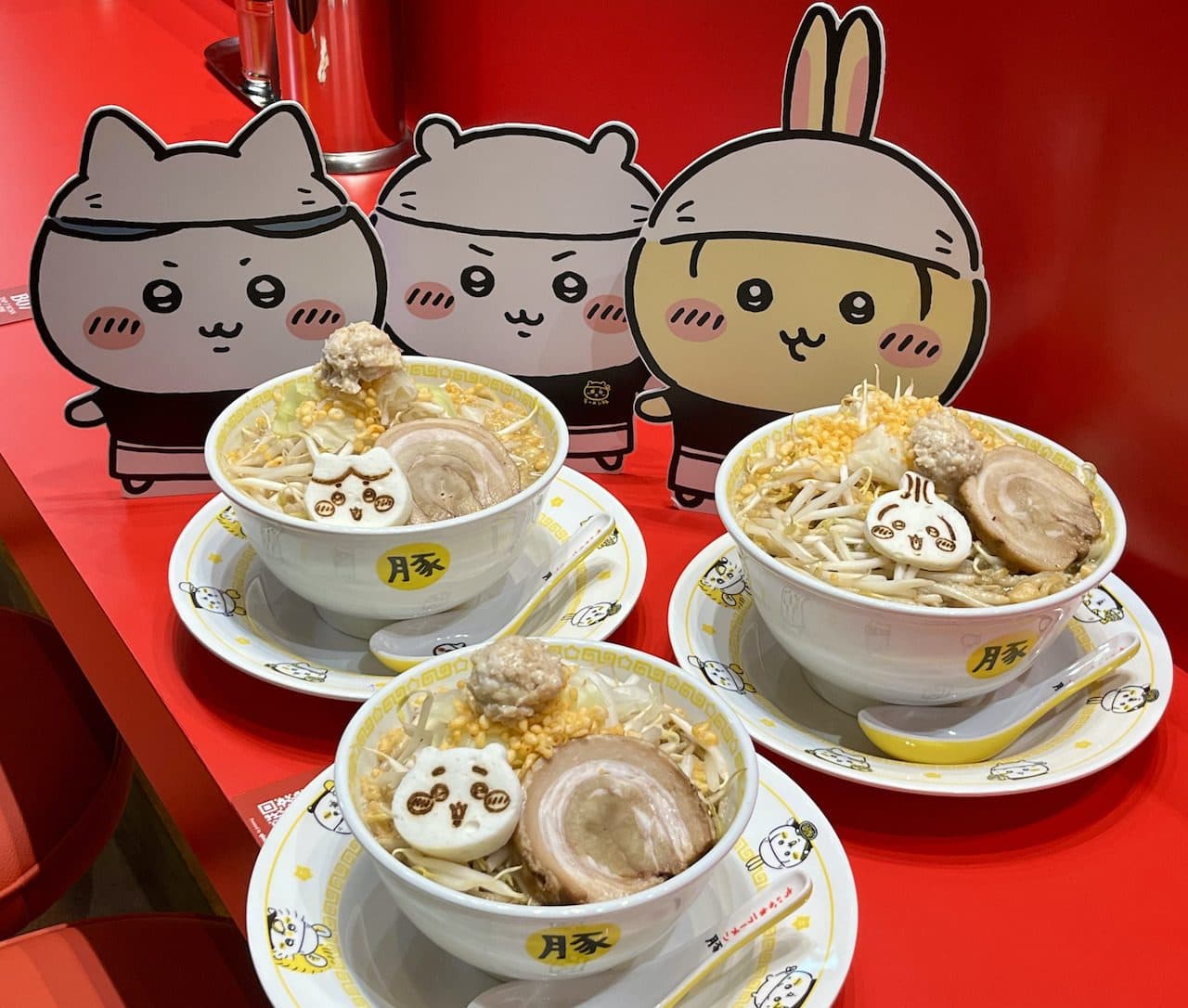
The first overseas branch of the manga-themed ramen shop will finish its one-year Langham Place run. Reservations still matter if you want a bowl before then.
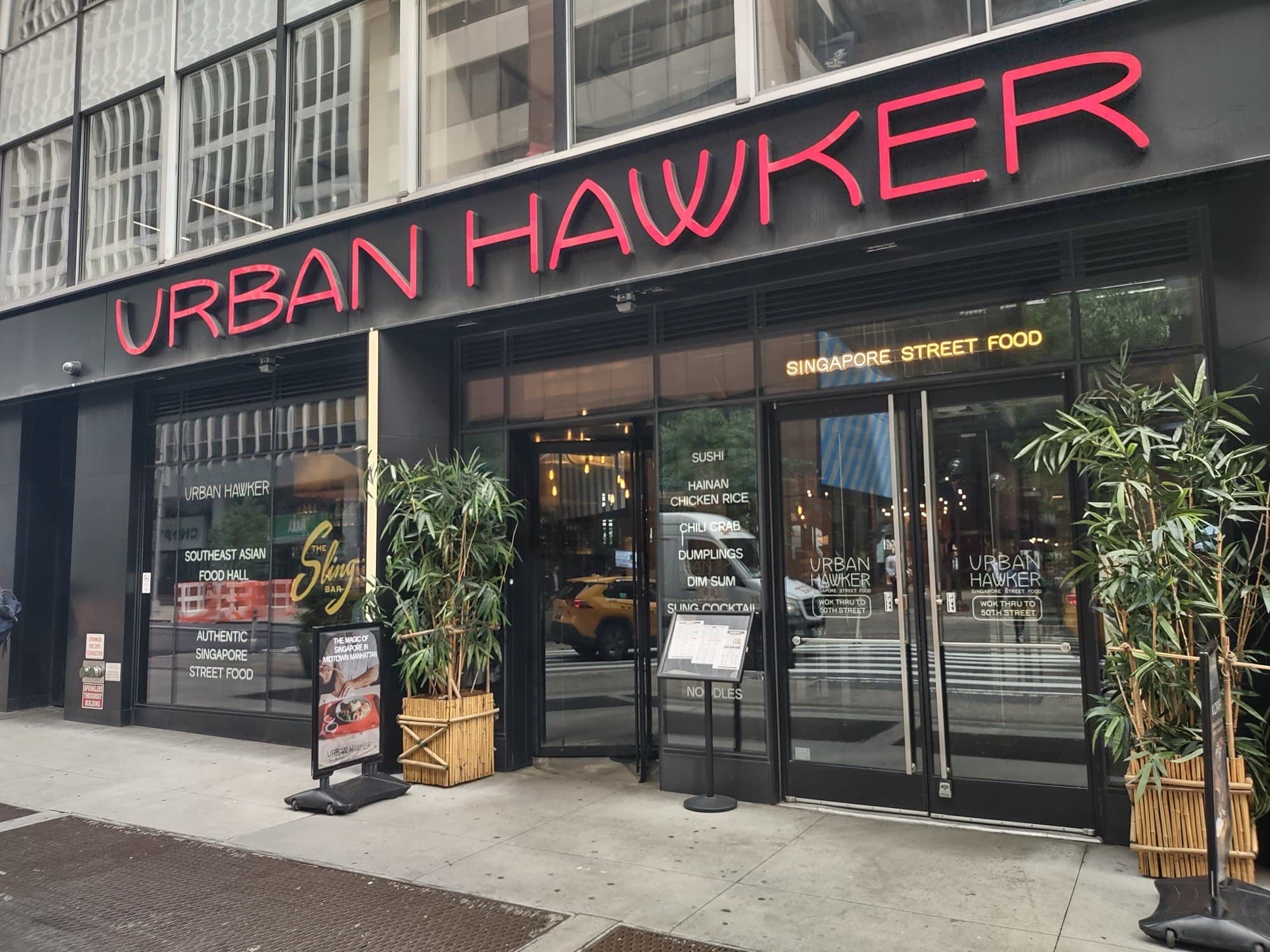
Urban Hawker’s Midtown run ended with a building sale for redevelopment. K.F. Seetoh says Singapore makan in New York is not finished.
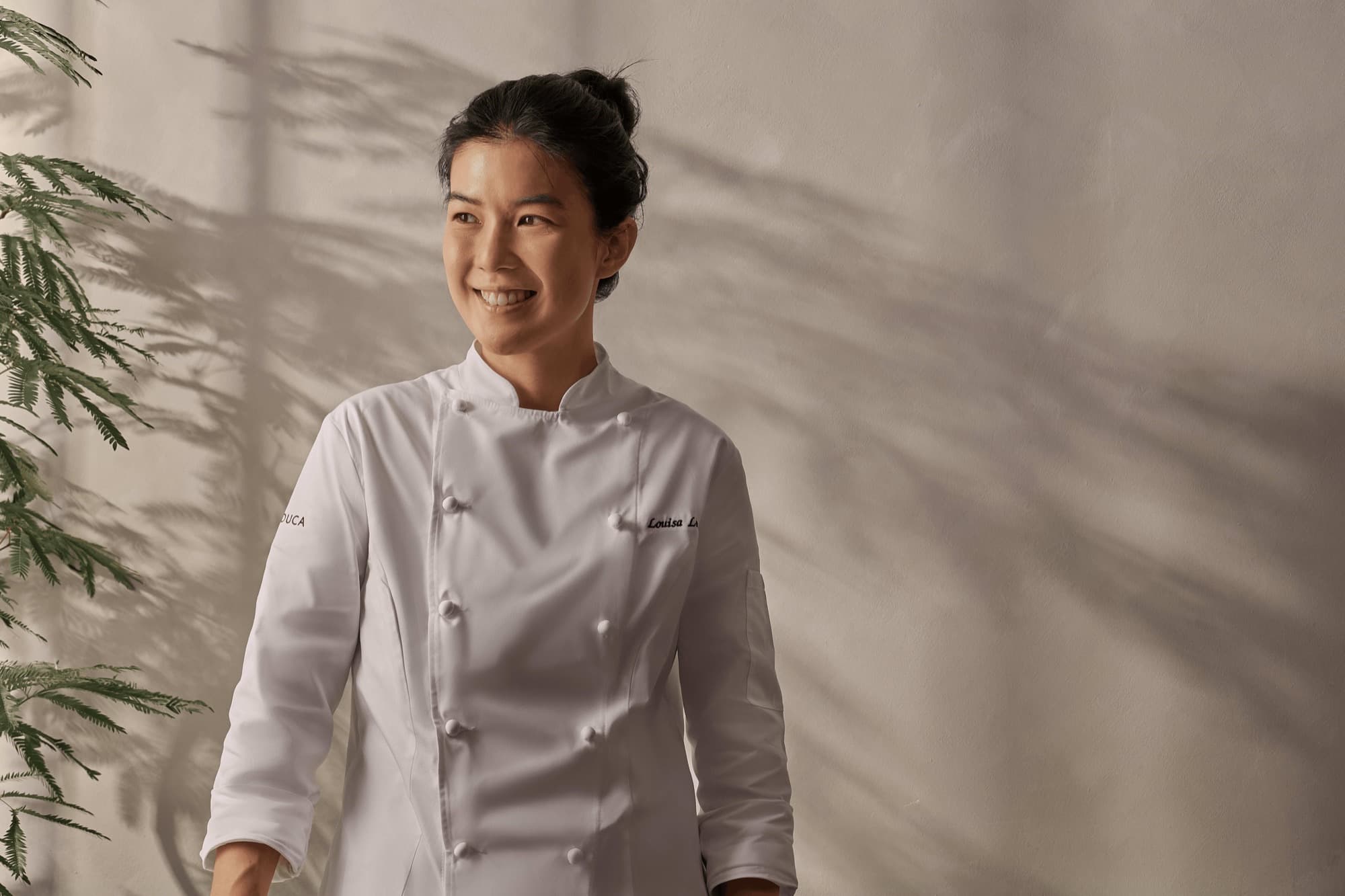
Louisa Lim spent seven years finishing tasting menus at a three-star kitchen. At Loulouca on Ann Siang Hill, cake, ice cream, and plated sweets are the whole visit.
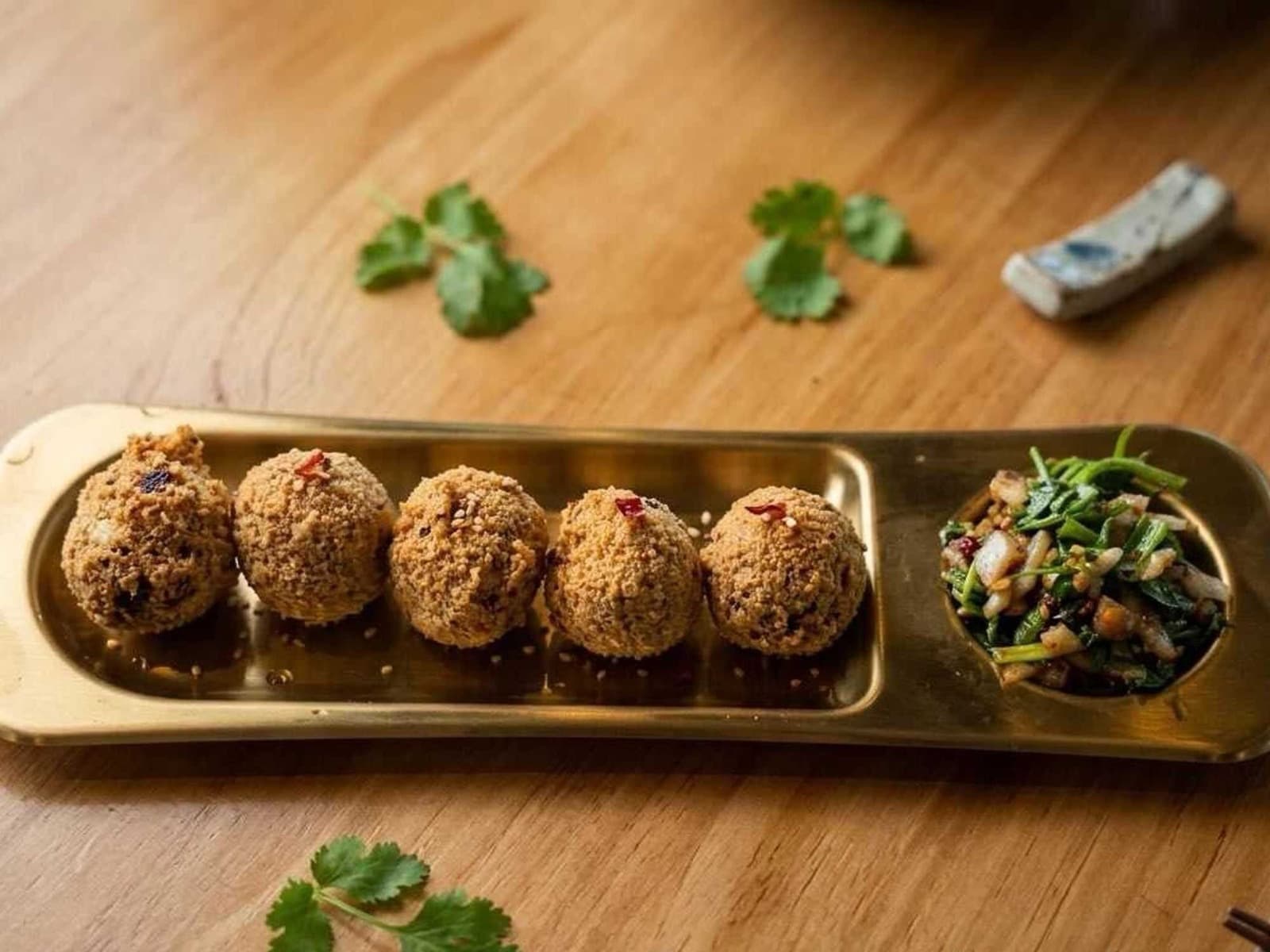
Candice Cao’s charcoal skewers and Guizhou plates arrive at Mitsuya Marketplace, with the family recipes, and Grandma herself, coaching the first American kitchen.
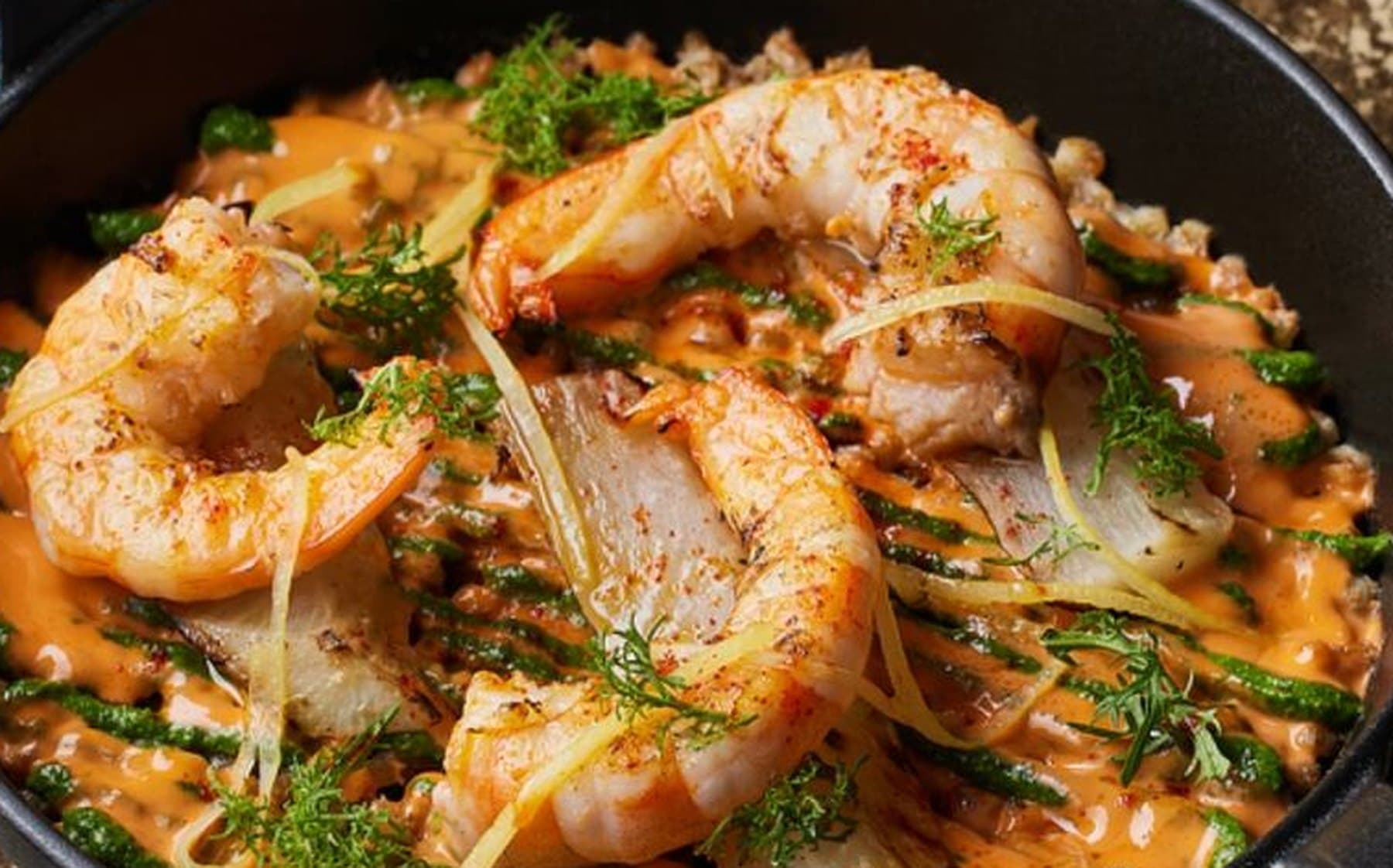
Alain Ducasse’s casual plant-forward room opens under Wooyoungmi’s flagship, cooking mostly Korean produce at neighborhood prices.

Central Union’s soy oil carried too much benzo[a]pyrene. The lasting story is how long it took anyone in power to hear about it.
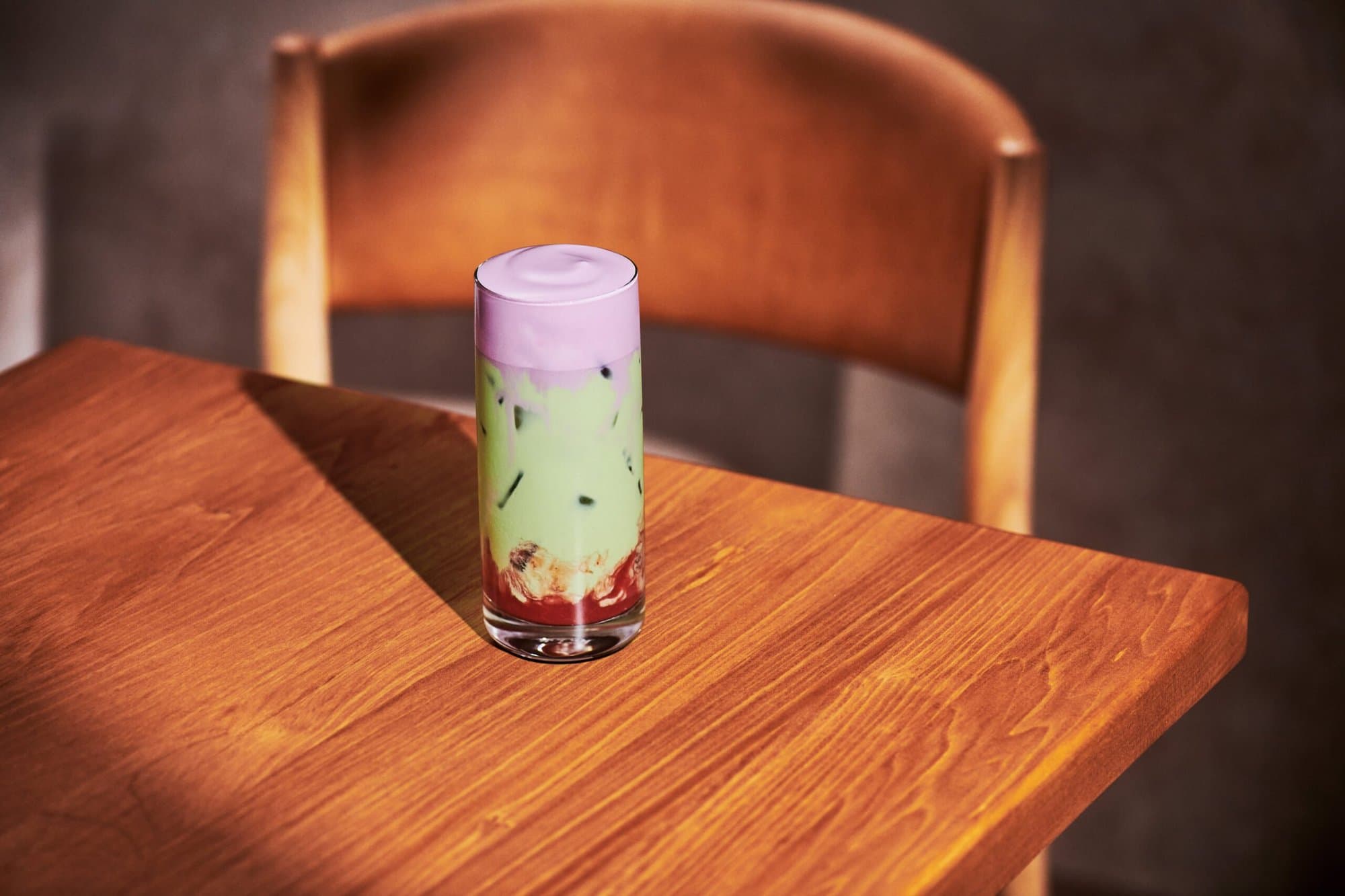
Cafe drinks made Japanese shade-grown powder everyday. Now the leaf behind the latte is running short.
Tainan and Hsinchu County finally have stars. The real story is a dining map that no longer ends in Taipei.
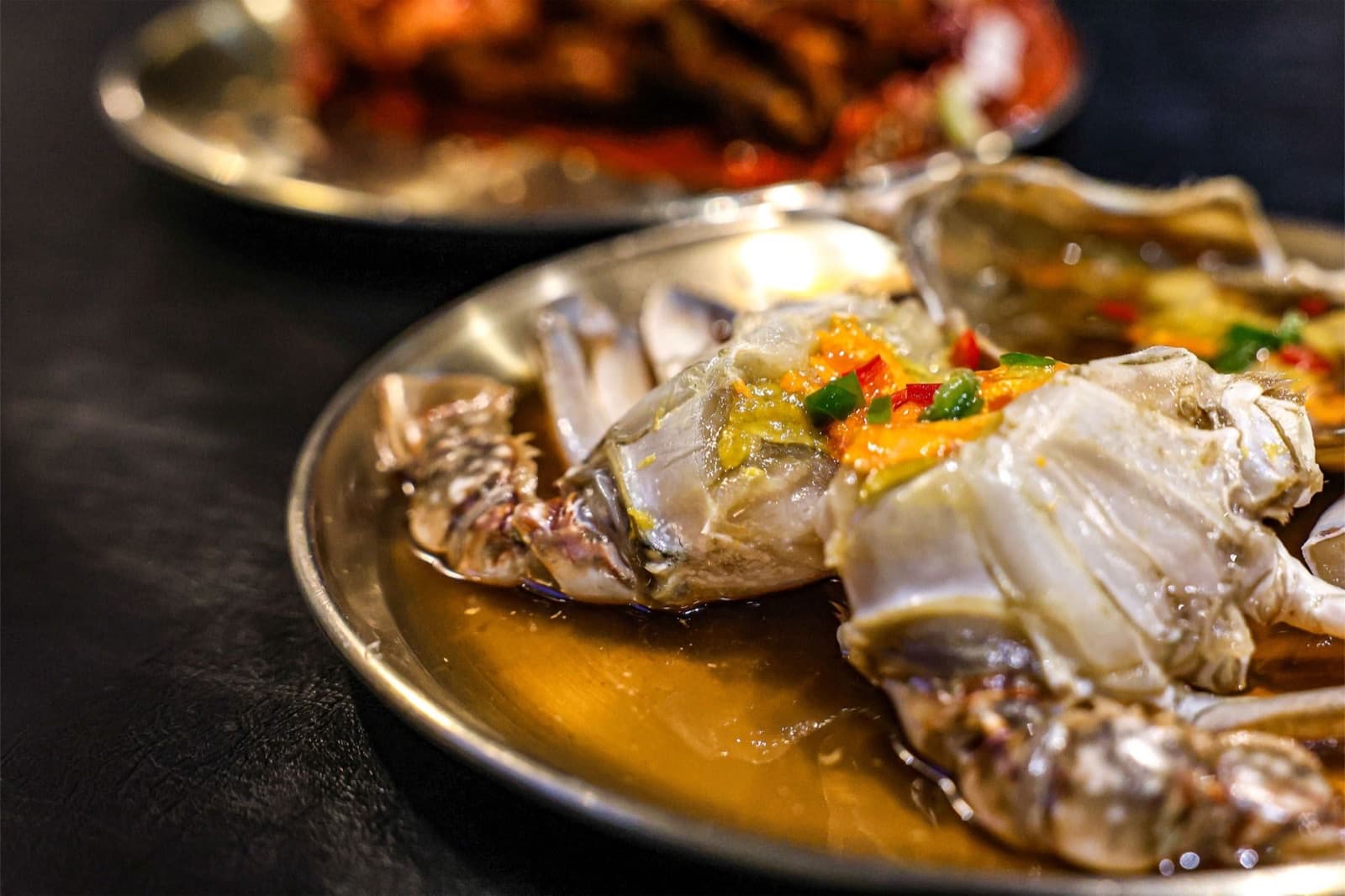
Gebang Sikdang, a Michelin Bib Gourmand gejang room from Gangnam, lands at Katsuya on Gerrard Street East after a North York pop-up, its first Canadian address.