
What is Soy Sauce, Really?
It goes much deeper than Kikkoman. Light, dark, tamari, and premium: how to read and purchase.
Updated July 13, 2026
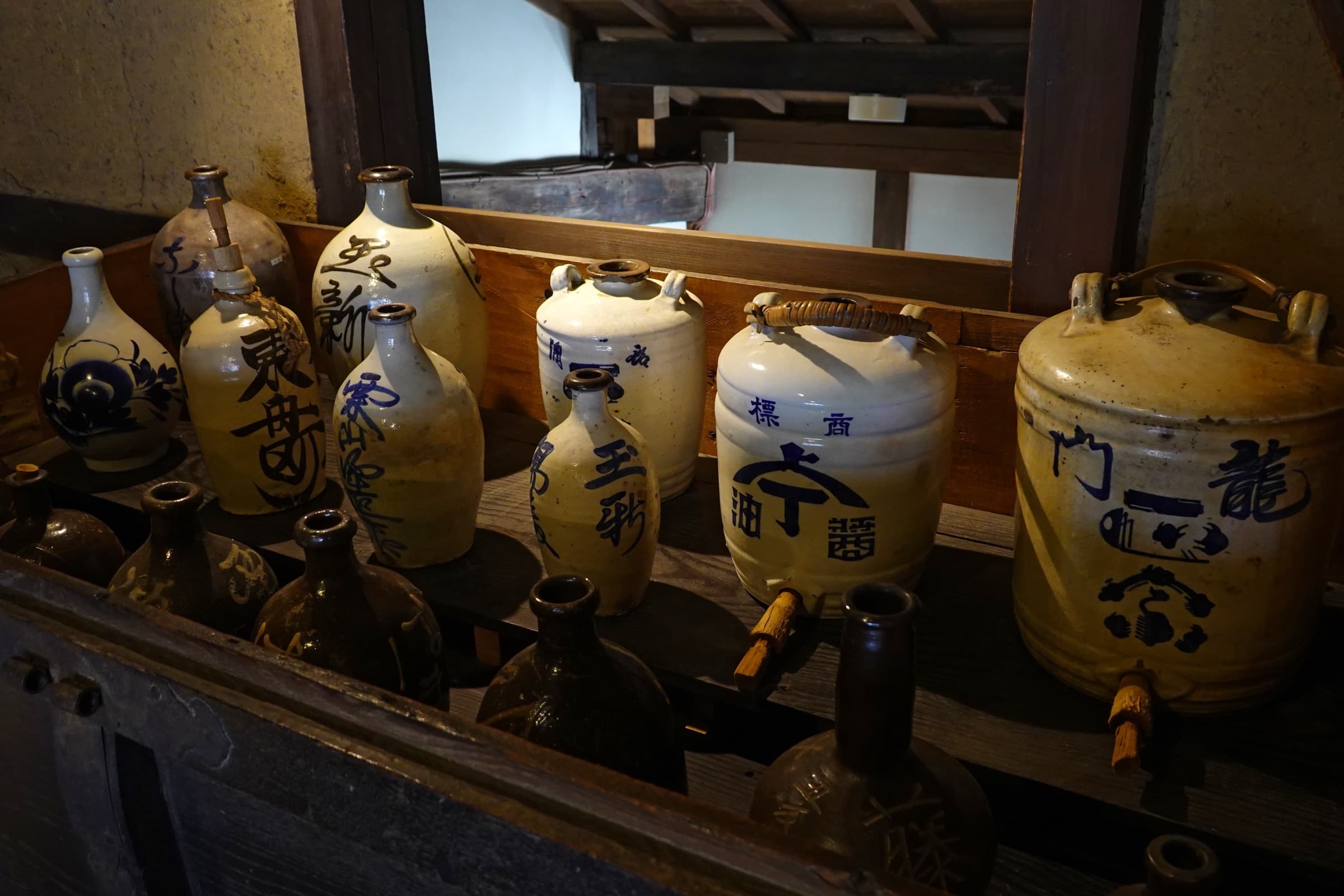
Photo by 663highland. Licensed under CC BY-SA 4.0. Resized for web
In a lot of American kitchens, soy sauce means one brown bottle from the grocery aisle. Often it is Kikkoman, and often it works. That bottle is only one line in a much older family of fermented soy seasonings.
Here is what soy sauce is made from, how traditionally fermented sauce is produced, why it spread so widely, and how the main grocery varieties (Chinese light and dark, Japanese koikuchi and usukuchi, tamari, and so-called premium bottles) actually differ when you cook.
What it is
Soy sauce is a fermented liquid seasoning. In its traditional form it comes from soybeans, grain (wheat is common in standard Japanese koikuchi), salt water, and koji mold cultures such as Aspergillus oryzae or Aspergillus sojae. During fermentation, proteins break down into amino acids that register as umami. Starches from wheat break down into sugars that help aroma and mild sweetness. Salt keeps the mash from spoiling while that work happens.
The result is salty, savory, aromatic liquid that can season food the way salt does, then do more: deepen broth, finish noodles, glaze meat, and stand alone as a dipping sauce. Across East and Southeast Asia it is one of the core seasoning liquids of everyday cooking.
How fermented soy sauce is made
Traditional Japanese honjozo (regular fermentation) production is usually described in stages. Soybeans are steamed. Wheat is roasted and crushed. Those ingredients are inoculated with koji mold and incubated so enzymes develop. The resulting koji is mixed into brine to form moromi mash, which ferments and ages. Brewers and umami educators commonly describe aging somewhere from about half a year to several years depending on the maker. The mash is pressed, then refined and usually pasteurized before bottling.
Not every supermarket bottle follows that path alone. Japanese Agricultural Standard language also recognizes methods that mix fermented sauce with hydrolyzed or enzyme-decomposed vegetable protein. Korean labeling and many industrial products elsewhere also distinguish brewed sauce from acid-hydrolyzed or blended sauce. On the label, look for brewing or fermentation language, a short ingredient list (soy, wheat, salt, water is a common baseline), and whether caramel color or sweeteners have been added.
A short history
Fermented soy paste traditions are ancient in China. Historical summaries of Chinese food texts place soy paste (jiang) in the Western Han period and record later liquid seasonings that develop into what is now called 酱油 (jiàngyóu), a name documented in Song-period cooking sources.
Japanese shoyu has its own documented geography. Japan’s Agency for Cultural Affairs designated Yuasa, in Wakayama Prefecture, as a Japan Heritage site in 2017 for being the birthplace of Japanese soy sauce. Local heritage accounts say that in the mid-13th century a Buddhist monk returned from China with a method for Kinzanji miso. As the miso fermented under weights, a savory liquid collected in the tubs. That runoff, called tamari (from a verb meaning to accumulate), was developed into a seasoning that became soy sauce. The monk story is a heritage tradition rather than a lab reconstruction. What is clearer is that Yuasa became a major brewing town. Local heritage materials record dozens of producers historically, and the old brewing streets remain a preserved townscape.
Western documentation arrives much later. Engelbert Kaempfer, a German physician who lived on the Dutch trading post of Deshima in Japan from 1690 to 1692, recorded Japanese soy sauce under spellings such as Soeju. Dutch trade carried Japanese soy sauce toward Batavia and then Europe in the seventeenth and eighteenth centuries. Global brand familiarities such as Kikkoman’s export presence grew much later. Umami Information Center materials note that a Kikkoman production facility in Wisconsin was completed in 1973 as US demand solidified after wartime and postwar contact with Japanese food.
Why it became so common
Soy sauce travels well in bottles, delivers salt plus umami in one spoon, and pairs with rice, noodles, seafood, vegetables, and meat. That combination made it useful long before refrigerated logistics. Trade records and diaspora cooking then moved bottles into Western pantries, often first as an export Japanese product, while Chinese and Southeast Asian households continued using their own sauce lines under different names.
Market research firms that track a global "soya sauce" trade category have estimated around 1.4 million tons of consumption in 2024, with China, the United States, and India among the largest volume markets. Those numbers are rough estimates, not a census. Specialist soy-food literature has long described Chinese jiangyou production at very large scale, and Japan alone still supports on the order of about 1,200 breweries according to the Umami Information Center. In short: soy sauce is everyday pantry stuff across much of Asia, and a standard Western grocery item now.
Asian bottle language you will actually meet
Chinese light and dark
Light soy sauce (生抽, shēngchōu) is the everyday seasoning sauce: thinner, saltier, and relatively pale, so it flavors without turning everything the color of coffee. Dark soy sauce (老抽, lǎochōu) is darker and usually thicker. It is often aged longer and may include caramel color or molasses. It tends to taste less salty and a little sweeter than light soy, and cooks use it when they want deep color and roundness in braises, red-cooked dishes, and noodle sauces. Many Chinese home setups keep both.
Japanese shoyu categories
Japan’s agricultural standards divide shoyu into several official types. Koikuchi ("thick taste") is made from roughly equal soybeans and wheat and accounts for most Japanese production, often cited above eighty percent. It is the dark, all-purpose bottle many Western shelves stock. Usukuchi is lighter in color and often saltier; Kansai cooks reach for it when they want seasoning without darkening a clear soup or pale vegetable dish. Tamari is made mostly from soybeans with little or no wheat. It is thicker and richer, and wheat-free versions are useful for gluten-restricted cooking. Saishikomi is twice-brewed, darker and stronger, used sparingly. Shiro ("white") flips the grain ratio toward wheat, stays pale and relatively sweet, and is less common outside Japan. Regional sweetened styles such as Kyushu amakuchi also exist.
Tamari, without the marketing fog
In Japanese technical language, tamari connects back to the liquid that accumulates during miso fermentation. In US grocery stores, "tamari" usually means a richer, soy-forward sauce marketed as a premium or gluten-free alternative to regular shoyu. Read the label. Some tamari still contains wheat. Some does not.
What "premium" usually signals
Premium is not a legal category with one meaning. On good bottles it often points to longer aging, whole soybean rather than defatted meal, cedar-vat fermentation claims, lower additives, or unpasteurized namashoyu lines that should be refrigerated. On weaker bottles it can just mean nicer packaging. Look at ingredients, brewing method, and whether the producer says anything concrete about time and vessel.
How and when to use each
What to keep at home
- One all-purpose Japanese-style koikuchi or similar for everyday seasoning and marinades
- One Chinese light soy if you cook a lot of Chinese food and want salt without heavy color
- One Chinese dark soy for braises, fried rice color, and noodle sauces that need mahogany depth
- Optional tamari for dipping, finishing, or gluten-free cooking (confirm the label)
- Optional aged or saishikomi-style bottle for small finishing dashes
Reach for light or usukuchi-leaning sauces in soups, steamed fish, blanched vegetables, or anything you do not want to darken. Use dark soy when color and caramelized depth matter more than sharp saltiness. Use everyday koikuchi when a recipe just says "soy sauce" and you are cooking in a Japanese or mixed weeknight style. Use tamari when you want a denser dip for sashimi, cold tofu, or dumplings, or when wheat is off the table. Soft heat is kinder to finishing sauces you bought for aroma; early high heat is fine for dark soy meant to color a braise.
To start, we recommend keeping it simple with a decent fermented all-purpose soy. If you buy two, add Chinese dark soy.