
Asian Grocery Aisles: First Visit Guide
How to shop a big Asian market without buying the whole snack aisle: what to grab first, where to walk, and what can wait.
Updated July 23, 2026
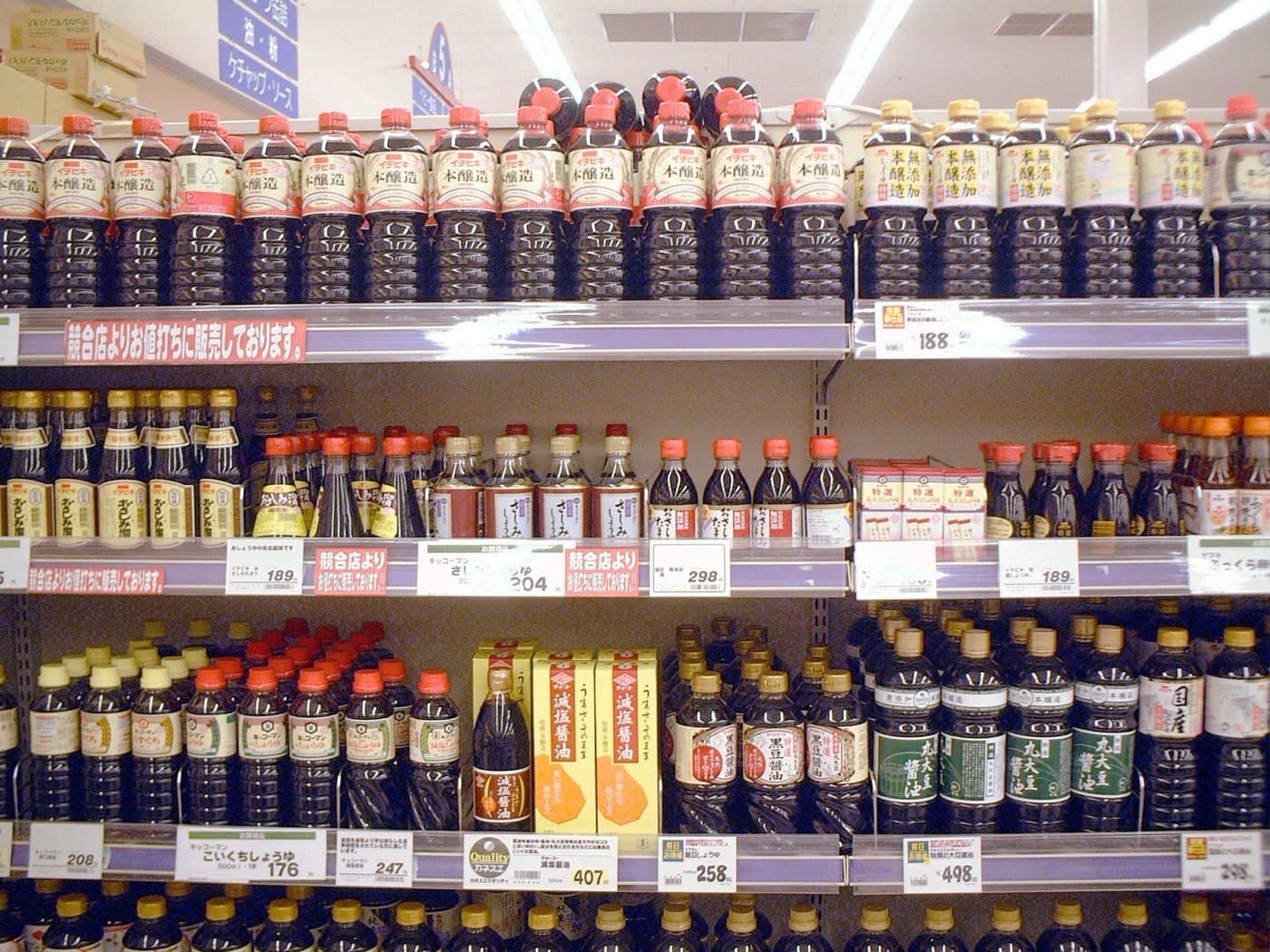
Photo by Kanesue. Licensed under Public Domain. Resized for web
Walk into a large Asian supermarket and the first feeling is usually too many choices at once. Walls of soy sauce. A refrigerated aisle of noodles you have never cooked. Rice in bags big enough to lean on. That overwhelm is normal. The store is built for people who cook these foods every week, not for a first cart.
You do not need to understand every shelf on day one. You need a short list, a walking order, and permission to leave snacks and “maybe someday” jars for the next trip.
Before you go
Decide which dinners you actually cook. Korean stews, Chinese stir-fries, Japanese miso nights, and Vietnamese noodle bowls share some bottles and diverge on others. One cuisine focus for the first visit beats trying to stock four countries at once.
Bring a short written list. Phone notes disappear when you are staring at twenty chili pastes. Shop hungry only if you can resist the snack aisle; otherwise eat first. Large bags of rice are cheaper here than at a conventional supermarket, so leave room in the car (and in your arms).
How to walk the store
A calm path through the aisles
- 1Start with dry goods: soy sauce, vinegars, oils, pastes, dried noodles, and rice. These do not mind waiting in the cart.
- 2Move to the refrigerated wall for tofu, fresh noodles, kimchi or pickles, and dumpling wrappers if you need them.
- 3Hit produce near the end: ginger, scallions, garlic, leafy greens, herbs, chilies. They bruise and wilt if they ride under heavy bottles.
- 4Frozen dumplings, meat, and seafood last if you are buying them. Keep them cold for the ride home.
- 5Skip the snack and candy aisles on purpose the first time, unless one treat is on your list.
Layouts vary by chain and city. Korean-leaning markets often put banchan and kimchi front and center. Chinese and Taiwanese-leaning markets may lead with produce and roast meats. Japanese markets lean hard into rice, miso, and ready curry blocks. The walking order still works: shelf-stable first, cold last.
The sauce and paste aisle
This is where first visits get expensive if you shop by curiosity alone. Think in jobs, not brands.
Soy sauce seasons. For everyday cooking, buy a bottle labeled light soy, thin soy, or all-purpose soy if you are shopping Chinese shelves; Japanese-style shoyu works for many home cooks too. Dark soy is thicker and used for color in braises and noodle dishes. It is not a 1:1 swap for light soy. If you only buy one bottle today, buy light or all-purpose.
Toasted sesame oil is a finishing oil. A teaspoon at the end of a stir-fry or noodle bowl does the work. Do not deep-fry in it. Unseasoned rice vinegar handles dressings, quick pickles, and dumpling dips. Chinese black vinegar is lovely later; it can wait.
Add one fermented paste that matches your cooking: white or awase miso for soups and glazes, gochujang for Korean heat and sweetness, or doenjang for deeper stews. Chili crisp or sambal covers “I want heat tonight” without another specialty project. Fish sauce belongs in the cart if you make Southeast Asian dressings, soups, or stir-fries. Oyster sauce is optional on trip one, useful if you stir-fry often.
Sauce shelf starter set
- Light or all-purpose soy sauce (the everyday salty bottle)
- Toasted sesame oil (small bottle is enough)
- Unseasoned rice vinegar
- One paste: miso, gochujang, or doenjang
- One heat jar: chili crisp or sambal oelek
- Fish sauce if you cook Vietnamese, Thai, or similar weeknights
Rice, noodles, and other dry goods
Rice is why many people drive here. Short- or medium-grain works for everyday East Asian bowls and for sushi-style rice at home. Jasmine suits many Southeast Asian plates. Sticky rice is a different project; buy it when a recipe asks for it.
For noodles, pick one format you will cook this week. Dried wheat noodles or fresh refrigerated wheat noodles cover scallion oil bowls and simple stir-fries. Fresh or vacuum-packed udon is a fast soup night. Thin rice vermicelli covers bun bowls and summer-roll evenings. Instant ramen is fine to grab, but it should not be the only starch in the cart.
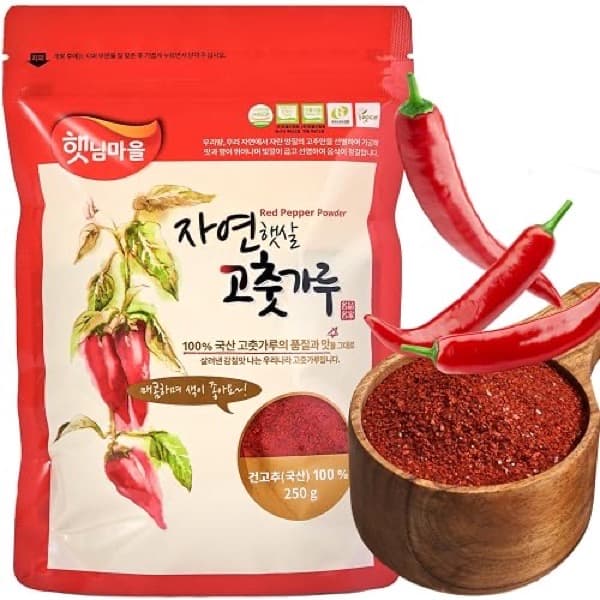
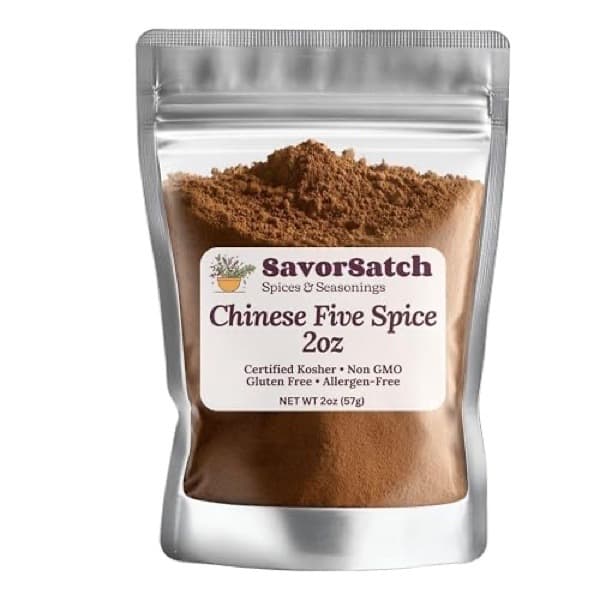
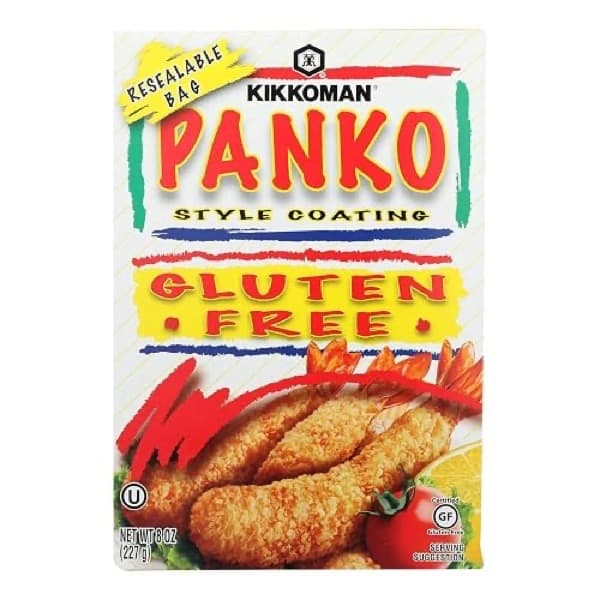
Other dry goods worth a look once the basics are in: panko for cutlets, dried seaweed for soup, a small bag of gochugaru if you make kimchi or chili oil, and five-spice if you braise. None of those are required on visit one.
Produce, tofu, and the cold cases
Ginger, scallions, and garlic are the aromatics that make pantry bottles taste like dinner. Add one leafy green you recognize (bok choy, napa, or spinach) and any herb you will use in the next two days.
Firm or medium tofu is the most forgiving for beginners. Silken tofu is better for soup if you handle it gently. Kimchi or a small tub of pickled vegetables turns rice and eggs into a meal with almost no cooking. Fresh noodles and dumpling wrappers live in these cases too; buy them only if they are on the dinner plan, since they have shorter lives than dried packs.
A first-cart shopping list
Copy this into your notes
- Rice (small bag if storage is tight; larger if you cook it often)
- Light or all-purpose soy sauce
- Toasted sesame oil
- Unseasoned rice vinegar
- One fermented paste (miso, gochujang, or doenjang)
- One chili product (chili crisp or sambal)
- One noodle (dried wheat, udon, or rice vermicelli)
- Ginger, scallions, garlic
- Tofu or eggs for easy protein
- Optional: fish sauce, dark soy, kimchi, frozen dumplings
That cart already supports rice bowls, simple noodle nights, a basic stir-fry, and a first miso or kimchi-fried-rice dinner. Everything else is a second trip.
What can wait until trip two
Leave these for later
- Every regional chili oil and every novelty snack
- Specialty vinegars and cooking wines you do not have a recipe for yet
- Giant restaurant-size fish sauce or soy jugs
- Produce you cannot name and will not cook within two days
- Appliance browsing unless you came specifically for a rice cooker
If you cannot get to a store yet
A real market trip is still the better first education. You can see jar sizes, compare labels, and smell toasted sesame oil before you buy it. If you do not live near one, or you need a few staples before the next drive, the shelf below is a digital backup.
These are pantry items we keep around and actually cook with: pastes, noodles, broth shortcuts, and a couple of drinks. Labels stay generic so you are shopping by what the jar does, not by a brand parade. Start with sauces and one starch. Stop when the cart covers a week of simple dinners.
Sauces & pastes
 GochujangSweet-heat chili paste for stir-fries, marinades, and kimchi fried rice.View on Amazon →
 Sambal oelekClean chile heat with almost no sugar. Spoon into noodles, eggs, and sauces.View on Amazon →
 DoenjangDeep fermented soybean paste for soups, stews, and savory dips.View on Amazon →
 SsamjangReady-to-eat wrap paste for lettuce, grilled meat, and leftover rice.View on Amazon →
 Fish sauceSalty-savory backbone for dressings, stir-fries, and noodle soups.View on Amazon →
Heat, crunch & spice
Noodles & rice cakes
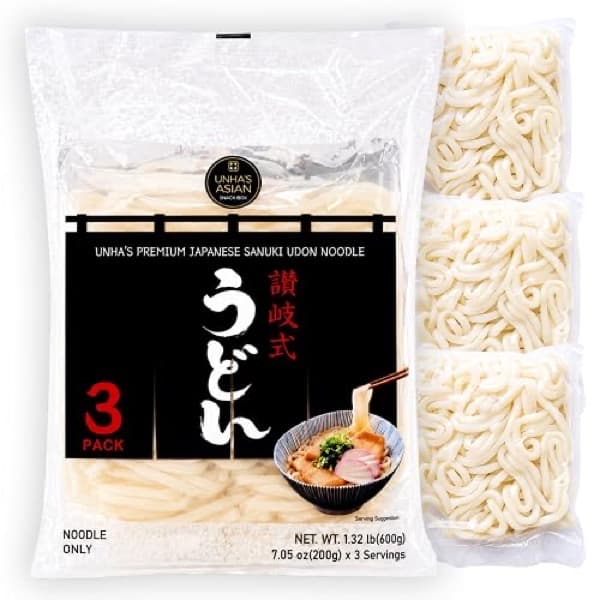
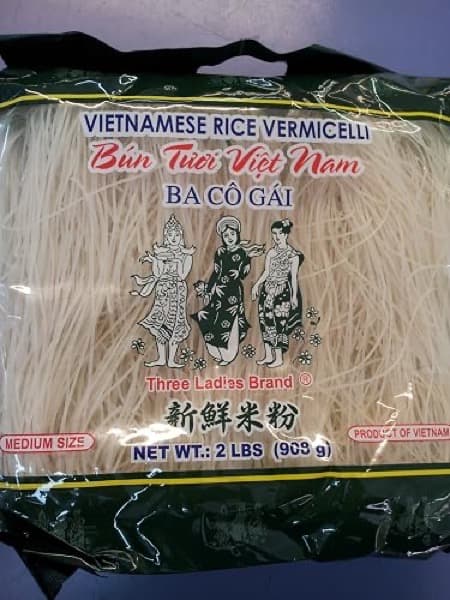
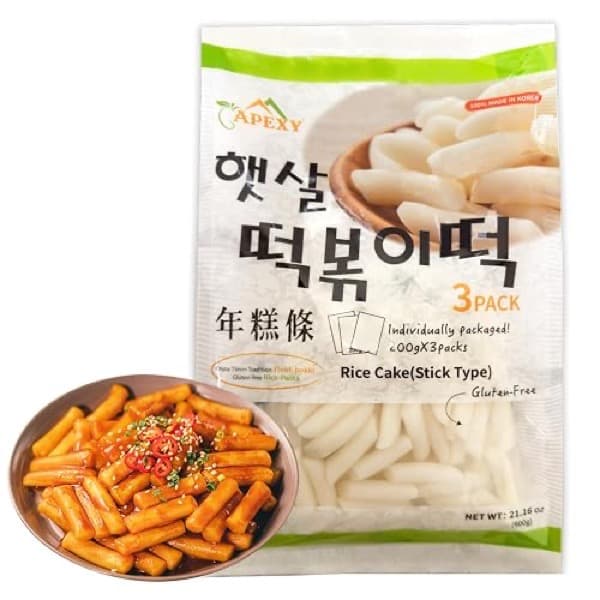
Broth bases & drinks
 Dashi powderInstant umami stock for miso soup, simmered vegetables, and noodles.View on Amazon →
 Beef pho baseConcentrated broth starter when an all-day simmer is not happening.View on Amazon →
 Honey lemon tea concentrateStir into hot or iced water for a sweet-tart pantry drink.View on Amazon →
 Ginger tea sticksWarming instant ginger drink for after dinner or cold nights.View on Amazon →
 Ume sparkling waterZero-sugar plum sparkle for the fridge when dinner needs a cold sip.View on Amazon →
When dinner needs more than jars
A rice cooker makes the boring part of rice reliable. A simple tea setup turns a pantry bowl into a slower evening. Once the sauces are home, those are the useful next buys, whether you shop them in person or online.