
Rice Cooker Guide: What Actually Matters
A buying guide for household size, micom vs pressure, and five Amazon picks with affiliate links.
Updated July 22, 2026
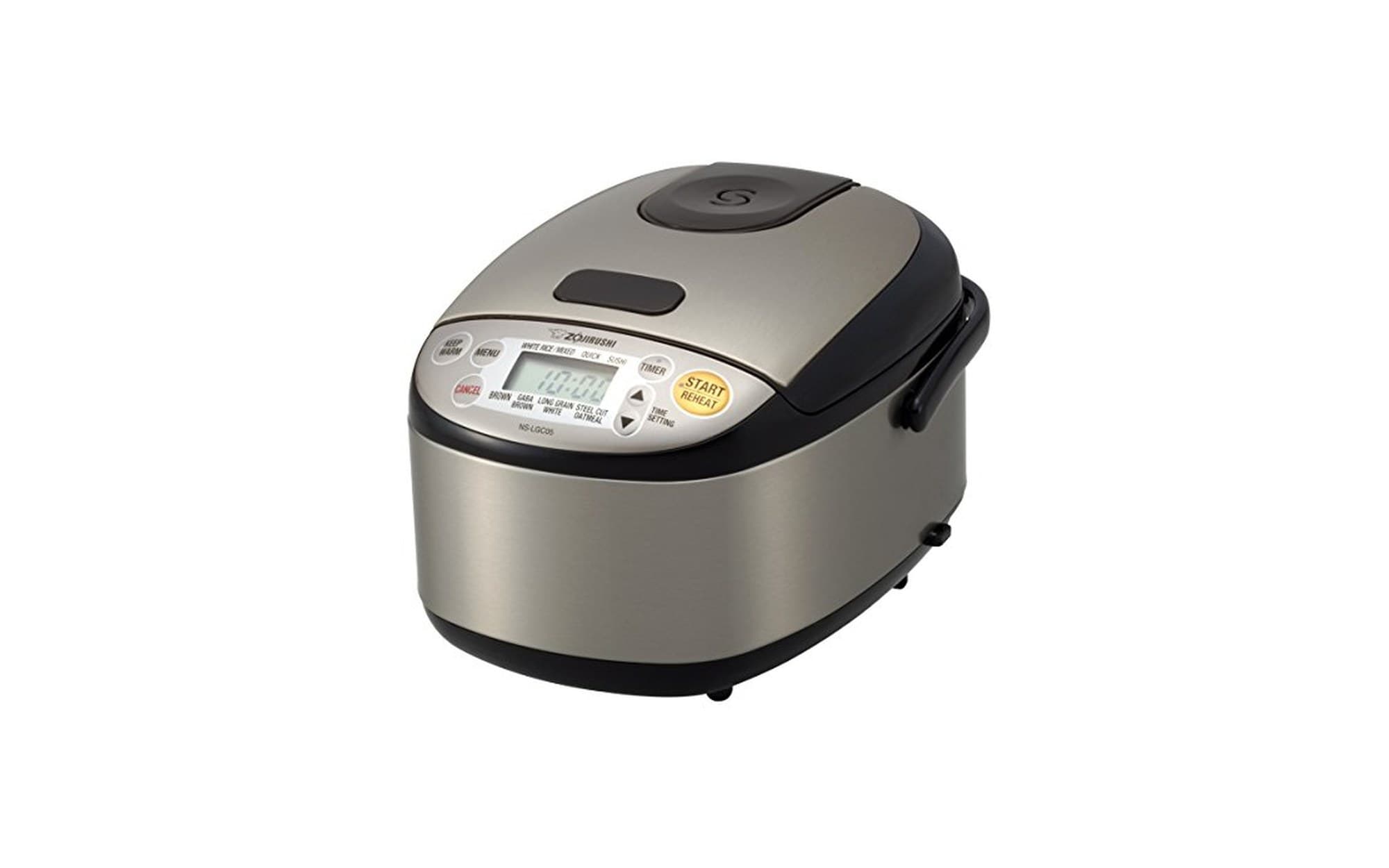
Photo by Amazon product photo. Licensed under Used via Amazon Associates. Product image for affiliate buying guide
Decide capacity and cooking style first, then buy the one cooker that matches a normal weeknight, not a holiday crowd.
Capacity on the box uses the cooker’s rice cup (about 180 ml), not a U.S. measuring cup. A 3-cup machine suits one to three people. A 6-cup covers most family dinners. A 10-cup is for big batches or frequent entertaining.
Micom (fuzzy logic) adjusts heat as rice cooks and is the sweet spot for most kitchens. Pressure models can make stickier short-grain rice and often include Korean-style menus. Fancy induction heating is optional unless you cook rice every day and notice texture.
Quick picks
Buy this if…
- Solo / tiny counter: AROMA Mini
- Budget first cooker with a steamer: AROMA ARC-914SBD
- Family micom without a luxury bill: Amazon Basics 6-cup
- Small household that cooks rice often: Zojirushi NS-LGC05XB
- Large household or Korean pressure texture: CUCKOO CRP-ST1009FG
Our shortlist
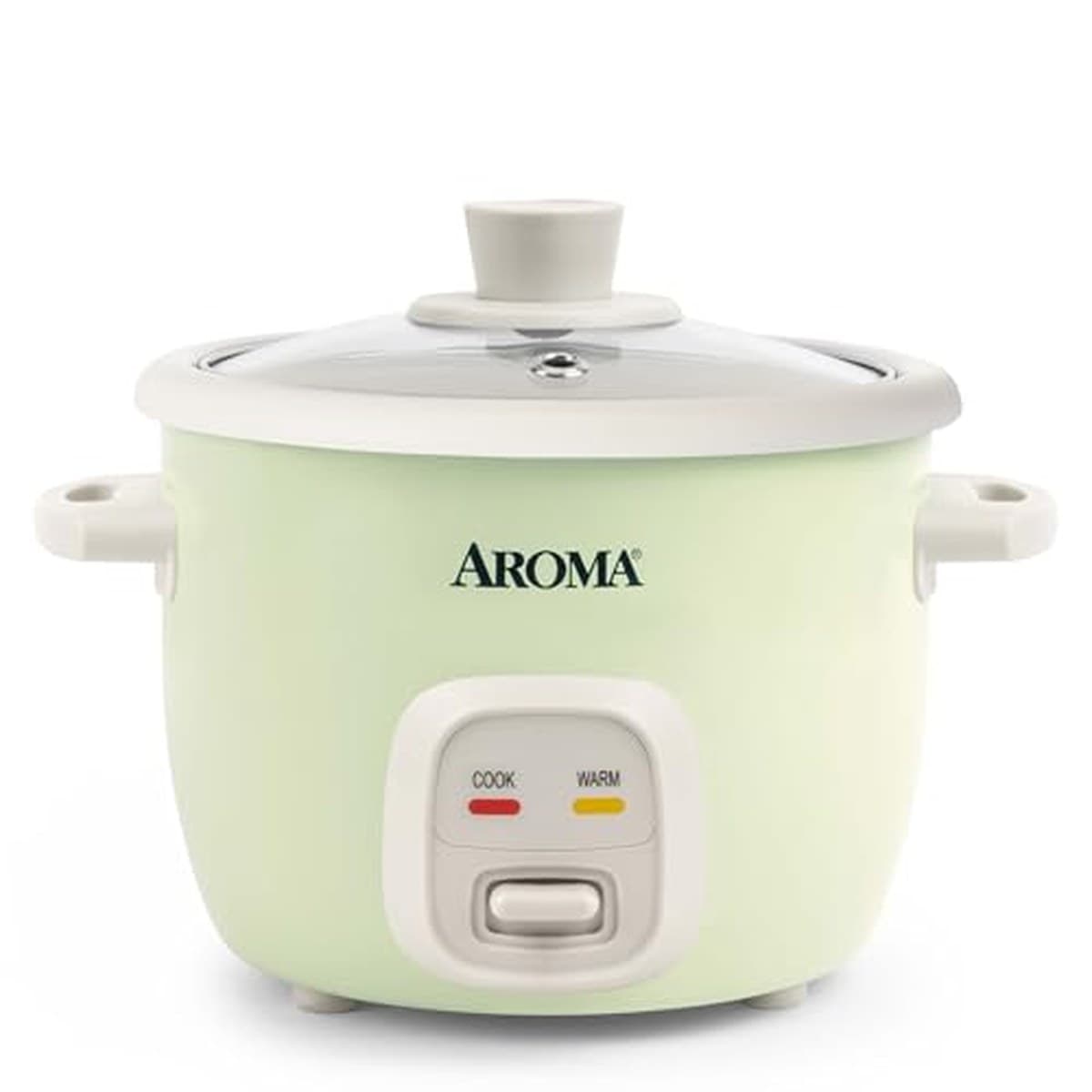
AROMA Mini, 2-cup uncooked / 4-cup cooked
About $20–25
Best for solo cooks and tight counters
Buy this when a full-size cooker is overkill. About 2 cups uncooked (roughly 4 cups cooked), keep-warm, and a footprint you can put away. Simple controls, not fuzzy logic. Skip it if you regularly cook for two or more.
View on Amazon →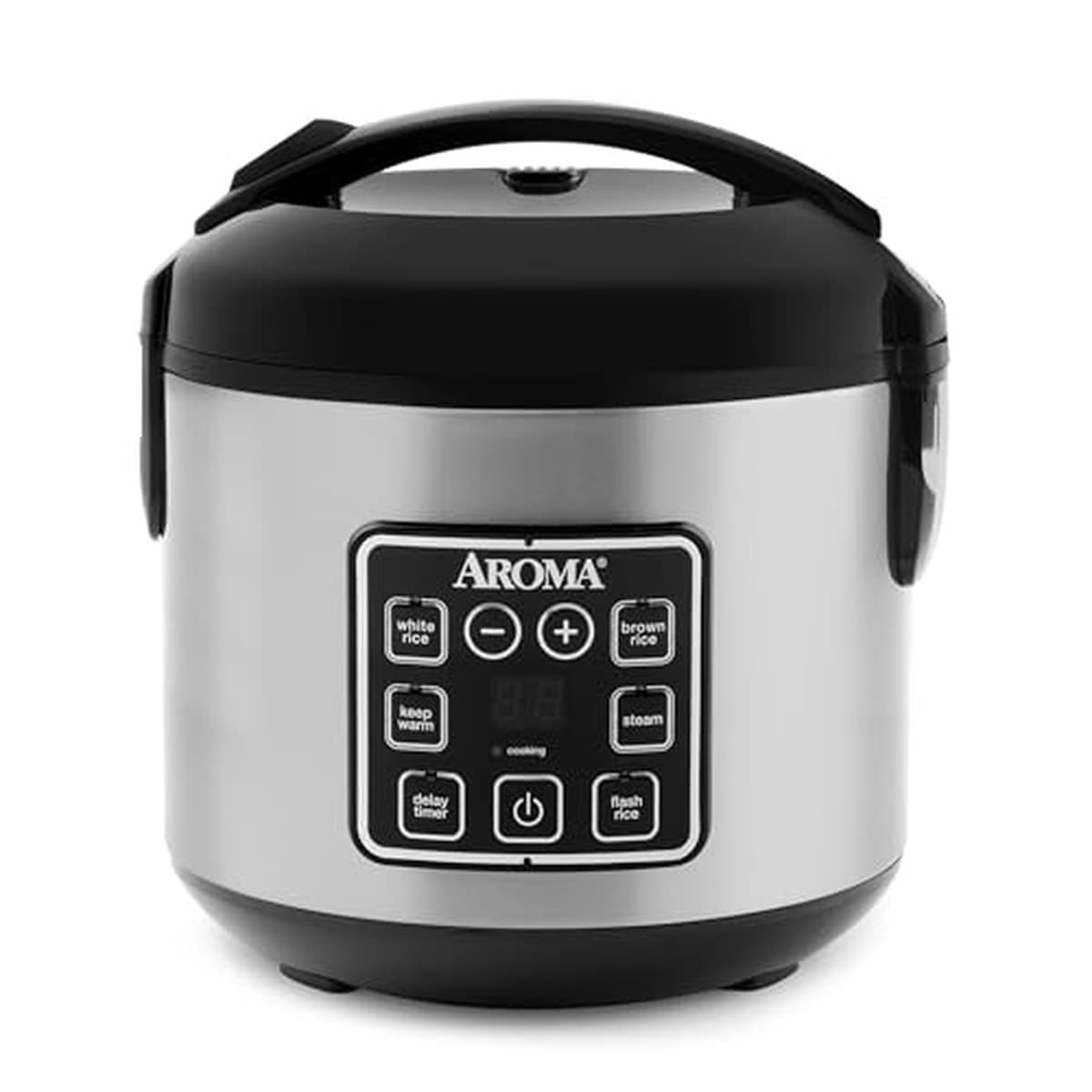
AROMA ARC-914SBD, 4-cup uncooked / 8-cup cooked
About $35–40
Best for budget everyday rice plus steaming
The fair first cooker for couples and small households: digital controls, steamer tray, auto keep-warm, low price. Reliable white rice and basic multicook convenience, not premium texture control. Buy this when you want steam capacity without spending micom money.
View on Amazon →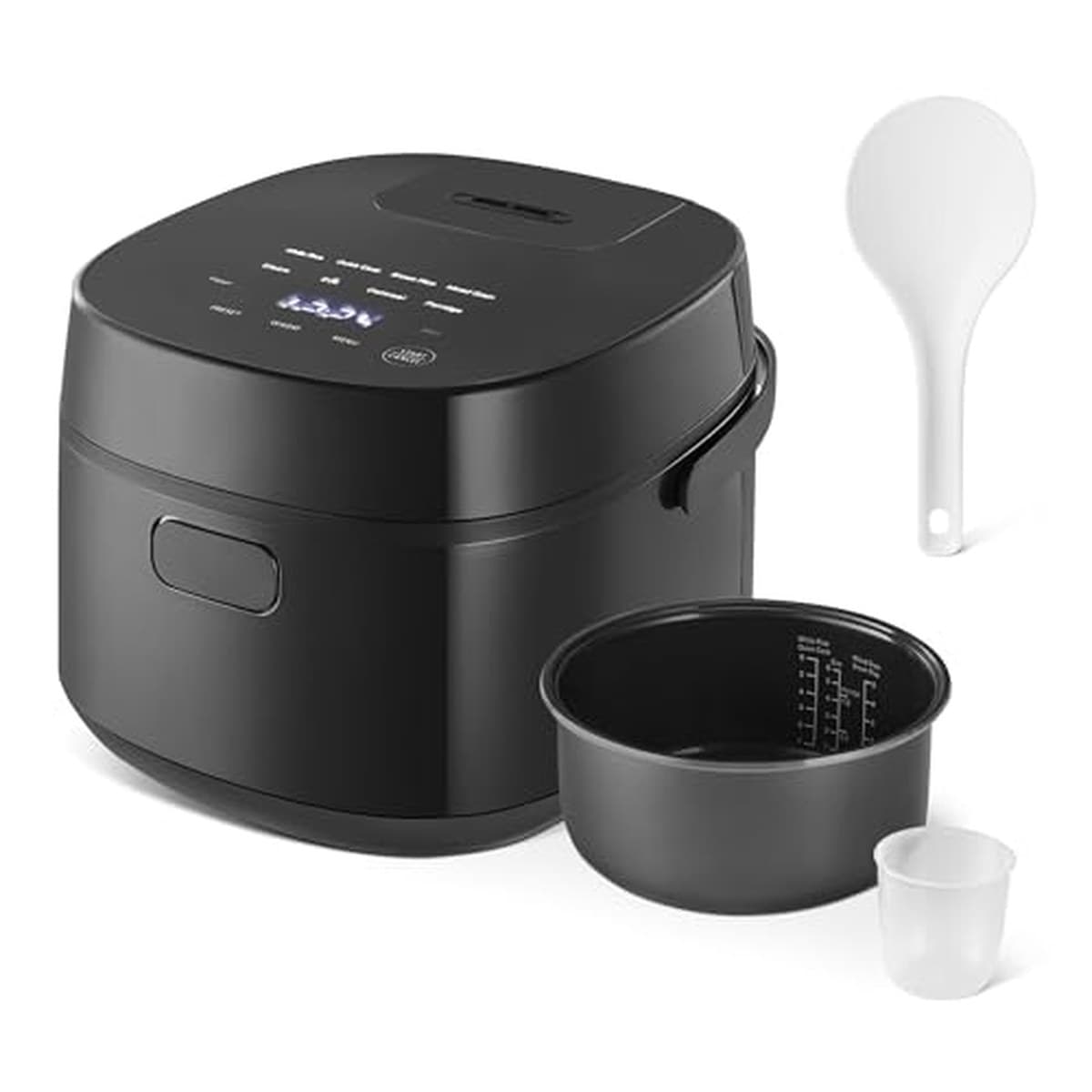
Amazon Basics Micom, 6-cup uncooked / 12-cup cooked
About $85–90
Best for families who want fuzzy logic without a luxury bill
Family-dinner capacity with micom menus for white, brown, mixed grain, quick cook, steam, oatmeal, and porridge, plus delay timer and keep-warm. Buy this when you want smarter cooking than a basic on/off cooker and do not need pressure. Newer model, so long-term durability is less proven than Zojirushi or Cuckoo.
View on Amazon →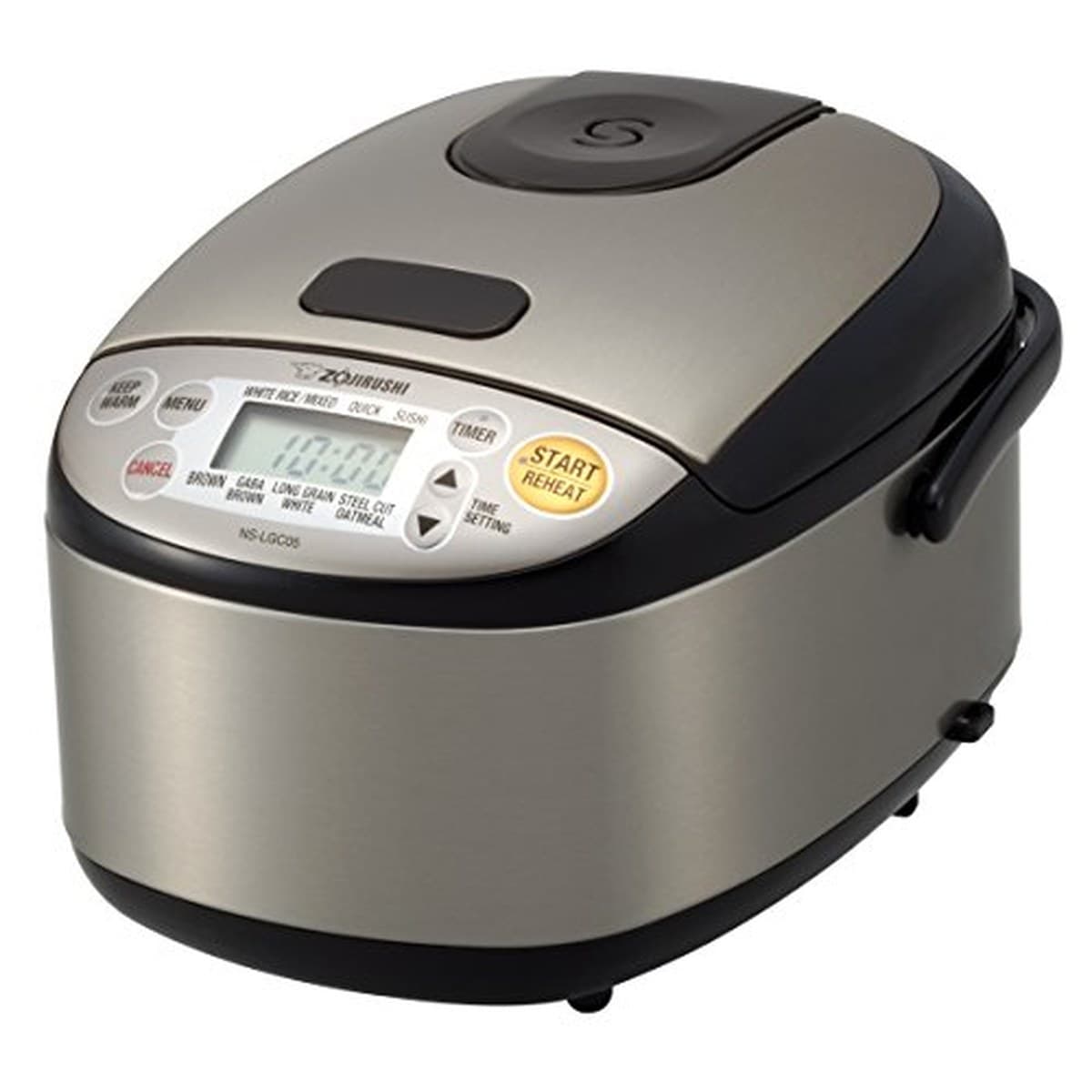
Zojirushi NS-LGC05XB Micom, 3-cup
About $185–195
Best for small households that cook rice often
Our premium small-household pick. Compact 3-cup micom with white/mixed, sushi, brown, GABA brown, long-grain, oatmeal, and quick cook, plus triple heaters and a delay timer. Buy this when you cook rice several times a week and want consistency more than capacity. Skip it for big batch cooking.
View on Amazon →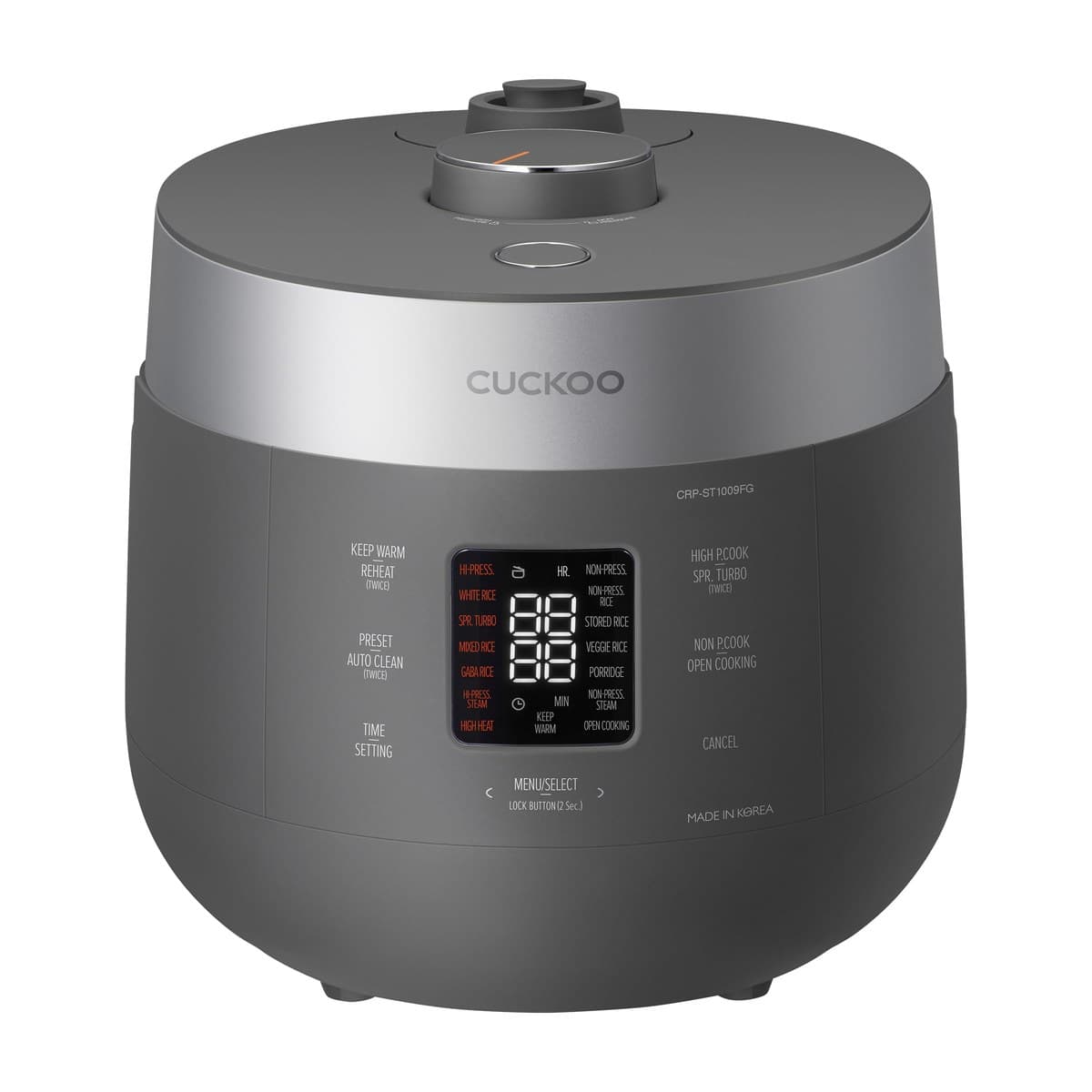
CUCKOO CRP-ST1009FG Twin Pressure, 10-cup
About $290–340
Best for large households and Korean-style pressure rice
Buy this when rice feeds many people or you specifically want stickier high-pressure results. About 10 cups uncooked / 20 cups cooked, twin pressure, sixteen menus, voice guide, delay timer, reheat, and auto-clean. Large footprint and a premium price. Overkill for a quiet two-person kitchen.
View on Amazon →
How to choose in under a minute
Match the cooker to the people at dinner most nights. If that is one person, buy the Mini or the Zojirushi. If you want the cheapest steamer-and-rice workhorse, buy the ARC-914SBD. If you need a regular family pot with micom, buy the Amazon Basics 6-cup. If batch size and pressure texture matter more than counter space, buy the Cuckoo.
After it arrives, rinse rice as you already do, measure with the cup in the box, and judge keep-warm on day-two leftovers. That tells you more than another row of presets.