
LA Food Guide
Pick a corridor first, then a meal format, across SGV, Koreatown, Little Tokyo, Thai Town, and Sawtelle.
Updated July 19, 2026
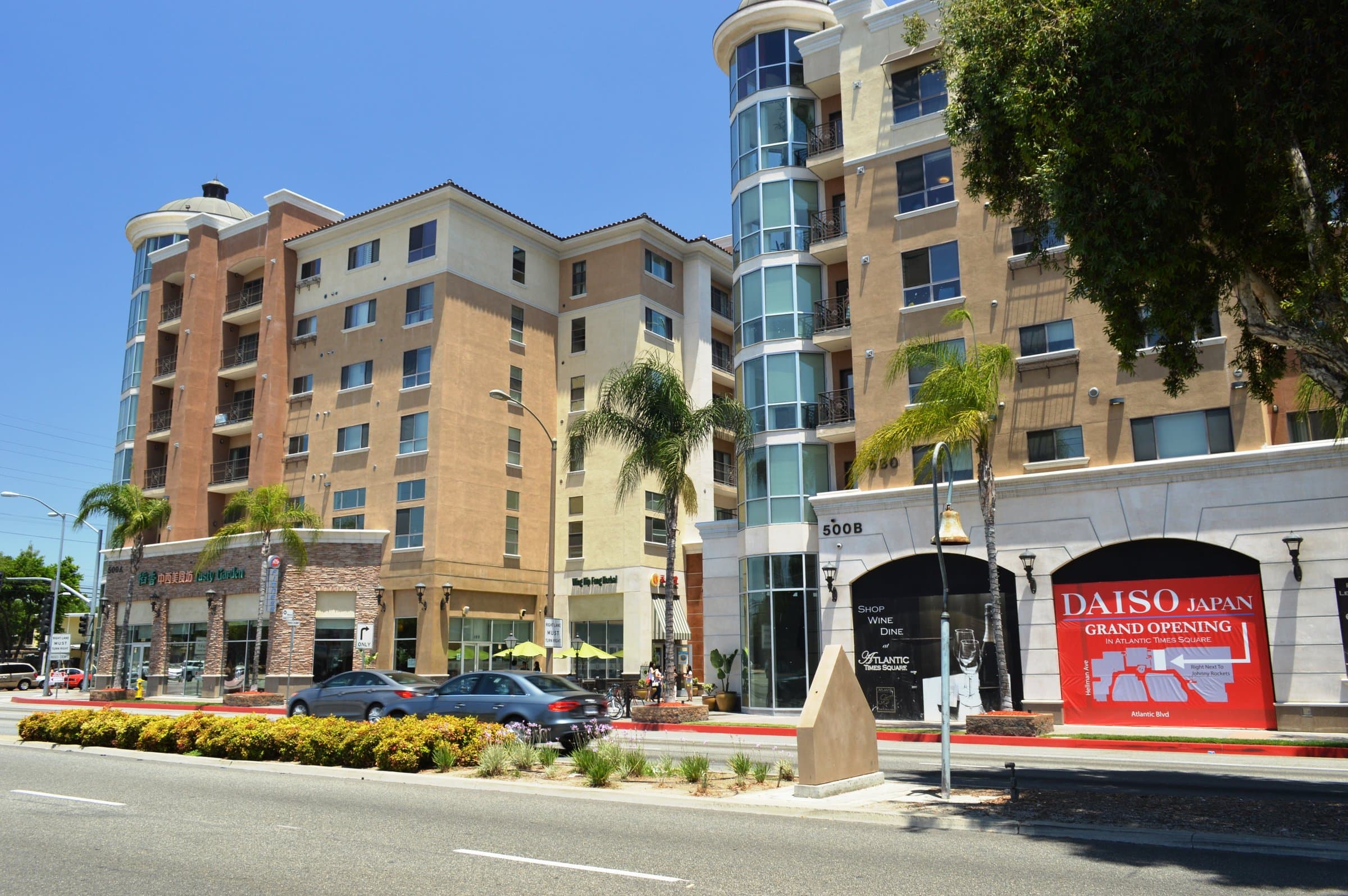
Photo by Nandaro. Licensed under CC BY-SA 4.0. Resized for web
Los Angeles does not keep East Asian eating in one downtown cluster. It spreads across immigrant corridors and suburban plazas shaped over decades. The useful first move is geography, then format: dim sum, hot pot, Korean barbecue, regional Thai, a bakery case, a Little Tokyo snack loop.
A citywide best-of list fights the map. One corridor matched to the meal you want tonight usually works better.
San Gabriel Valley
SGV is the primary Chinese and Taiwanese dining region in the county. Monterey Park was an early center; Alhambra, San Gabriel, Rosemead, and points east followed. Scholars call this kind of suburban ethnic concentration an ethnoburb. Downtown Chinatown remains historic and walkable, but it is not the city’s Chinese food capital.
Come for dim sum, regional Chinese cooking, hot pot, Taiwanese snacks, and bakery cases. Valley Boulevard, Garvey, and Las Tunas are useful spines. This is a car-first corridor with plaza and underground lots. Weekend late morning gets crowded; weekday lunch is calmer. For bakery ordering specifically, use our SGV Bakery Crawl rather than treating this section as a pastry encyclopedia.
Koreatown
Mid-city Koreatown is denser and stays open later than most corridors. The city set official boundaries in 2010, roughly around Olympic, Vermont, Third, and Western, with business spillover beyond the signs. Korean barbecue is one format among many, not the whole neighborhood.
For a dinner map of established grills, newer rooms, and non-barbecue meals, use the LA Koreatown Dinner Map. Plaza validation and valet are common. The Metro D Line helps for meals near Wilshire and reduces parking stress when it works for your lodging.
Little Tokyo
Little Tokyo is one of three remaining Japantowns in the United States and a National Historic District. It is a walkable cultural and commercial center downtown, even though many Japanese Angelenos also live and eat in Torrance, Gardena, and Sawtelle.
Use Japanese Village Plaza, First and Second Streets, and nearby blocks for ramen, sushi, snacks, and a short loop without a car once you arrive. The Little Tokyo / Arts District Metro station makes rail access easier than it used to be. Fugetsu-Do, open since 1903, is a documented legacy confectionery if you want a historic sweet stop.
Thai Town
Thai Town sits on Hollywood Boulevard in East Hollywood, roughly between Normandie and Western. The city designated it in 1999. It remains the only official Thai Town in the United States.
The strip is short and strip-mall honest. Look for regional Thai menus as much as general Thai restaurants. Southern Thai rooms and broader or Isan-leaning kitchens sit near each other. Park once and walk; weekend nights near Hollywood still fill the lots.
Sawtelle Japantown
Sawtelle, on the Westside, received an official Japantown designation in 2015. The useful eating is concentrated along Sawtelle Boulevard: noodles, izakaya, cafés, and pan-Asian neighbors in a compact crawl.
Choose Sawtelle when you are already west of the 405 or want Japanese dinner without heading downtown. It complements Little Tokyo rather than replacing it.
To start, pick the corridor that matches tonight’s meal. Los Angeles rewards that kind of intent over a checklist that spends half the evening on freeways.