
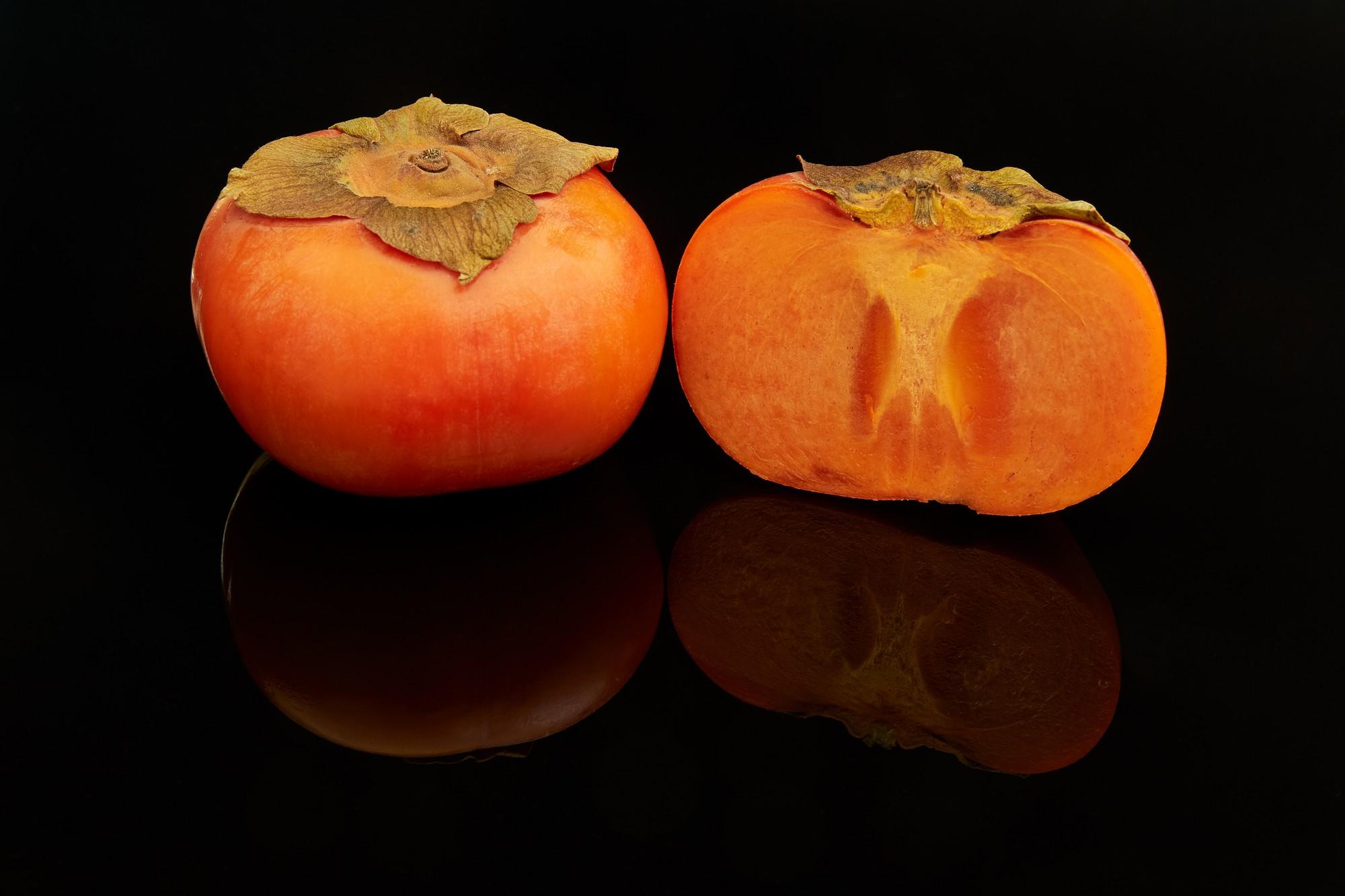
Photo by Frank Schulenburg. Licensed under CC BY-SA 4.0. Fuyu persimmons, one cut open. Resized for web.
Korean Sweet Persimmons Finally Enter China After 17 Years of Talks
The first 19.6 tons of crisp dangam left Busan for Shanghai. Eat them firm. The soft spoonable persimmons are a different habit.
November 9, 2026
After seventeen years of plant-quarantine talks, South Korea finally put sweet persimmons on a boat to China. The first container left Busan on November 6 with 19.6 metric tons, 1,960 boxes from Dong-eup Agricultural Cooperative in Changwon and the Gyeongnam Sweet Persimmon Horticultural Cooperative, the Agriculture Ministry said. The Korea Herald had it due in Shanghai on November 10, headed for importers and premium shops such as City Super. Negotiations began in 2008. The plant-health memorandum was signed on November 1, 2025, during the Gyeongju APEC meetings. Chinese Customs cleared twenty-five orchards and six packing houses on October 30, about a month earlier than the ministry had expected.
What is in the boxes is dangam, the sweet persimmon Koreans eat while it is still firm. Rural Development Administration guides put dangam with the non-astringent types: flat-round, orange, crisp enough to cut like an apple. Fuyu, buyu in Korean, and cha-rang make up most of the acreage. Export houses ship mainly Fuyu from mid-October into late November. Korea.gov says the China push will sell that crunch and sugar against fruit more often eaten after it softens.
Korean markets sell the soft kind too, from astringent persimmons called tteoreun-gam. Those keep soluble tannins when hard, so a premature bite puckers. Growers wait them into hongsi or yeonsi, the jelly-soft fruit you take with a spoon, or peel and dry them into gotgam. Hongsi and yeonsi describe that soft state more than one named variety. The Shanghai fruit is dangam. It should still snap when you eat it.
China’s customs notice for Korean fresh persimmons is why the wait ran so long. Orchards and packhouses have to be registered in Korea and approved in Beijing. From flowering to harvest, growers monitor pests every two weeks under ministry supervision and keep those records for two years. At the packhouse, fruit is graded, cleaned with high-pressure air or water, then held cold away from lots that fail. Cartons carry origin plus orchard and packhouse numbers, marked for export to China. The phytosanitary certificate has to say the load meets the Korea-to-China rules and is free of the pests China lists.
South Gyeongsang already moves almost all of Korea’s dangam abroad. Korea.gov counted 3,202 tons and $5.74 million from the province in 2025, 99 percent of national sweet-persimmon exports. The whole country shipped 3,217 tons of persimmons last year, about 80 percent of it to five markets that include the Philippines, Malaysia, and Hong Kong. China grows and eats more persimmons than anyone, so the ministry wants both a premium shelf and somewhere to send harvest volume that would otherwise press domestic prices. aT is running tastings and buyer meetings through year’s end in Shanghai, Beijing, and Shenzhen, some of them timed to November’s APEC gatherings in Shenzhen.
If you see them in Shanghai this week, look for the firm, flat-round dangam. Eat it while it snaps. Save the spoon for the soft persimmons that need waiting.