Photo by Stan Lee / Mokja. Licensed under Editorial use. Courtesy Mokja press images via opening coverage; resized for web.
Mokja Opens in Highland Park With Mayak Egg Sandos, Misugaru Lattes and Build-Your-Own Ramen
Chef Debbie Lee and Be Bright Coffee’s Frank and Michelle La open a Korean café-market hybrid next to Yi Cha, with DIY ramen, pantry drinks, and a second location planned for Orange County.
August 7, 2026
Highland Park got a new kind of Korean lunch stop on Friday. Mokja, a café and market from chef Debbie Lee and Frank and Michelle La of Be Bright Coffee, opened at 5715 North Figueroa Street, next door to Lee’s modern pocha Yi Cha. The room is built for quick plates, specialty drinks, and a shelf of snacks to take home, not a lingering dinner reservation.
Café, noodles, and retail share one roof on purpose. In South Korea, neighborhood convenience stores often double as places to cook instant noodles, grab coffee, and hang around. Versions of that habit are showing up across the United States as DIY ramen bars and Korean culture shops. Mokja is a chef-and-barista take on the same idea: corner-store rhythm with Highland Park polish.
Who is behind the room
Lee already cooks modern Korean food at Yi Cha, a few steps away. Frank La, the 2024 U.S. Barista Champion, and Michelle La run Be Bright Coffee. The three met while working Smorgasburg stalls. Lee has said the Las walked over with a misugaru latte and a welcome, and the friendship stuck. When she locked in the space beside Yi Cha, she asked them to look it over. Frank’s reply, she told Eater LA, was to ask when they were opening.
Architect Kahi Lee, who also designed Yi Cha, fitted the roughly 1,400-square-foot room with exposed brick, dark wood, and daylight from large windows. Seating stays modest: a handful of tables plus a standing bar. The shop is built for turnaround and neighborhood traffic, students and lunch-break regulars, not a long dinner service.
Mayak egg sandos, snackies, and a ramen bar
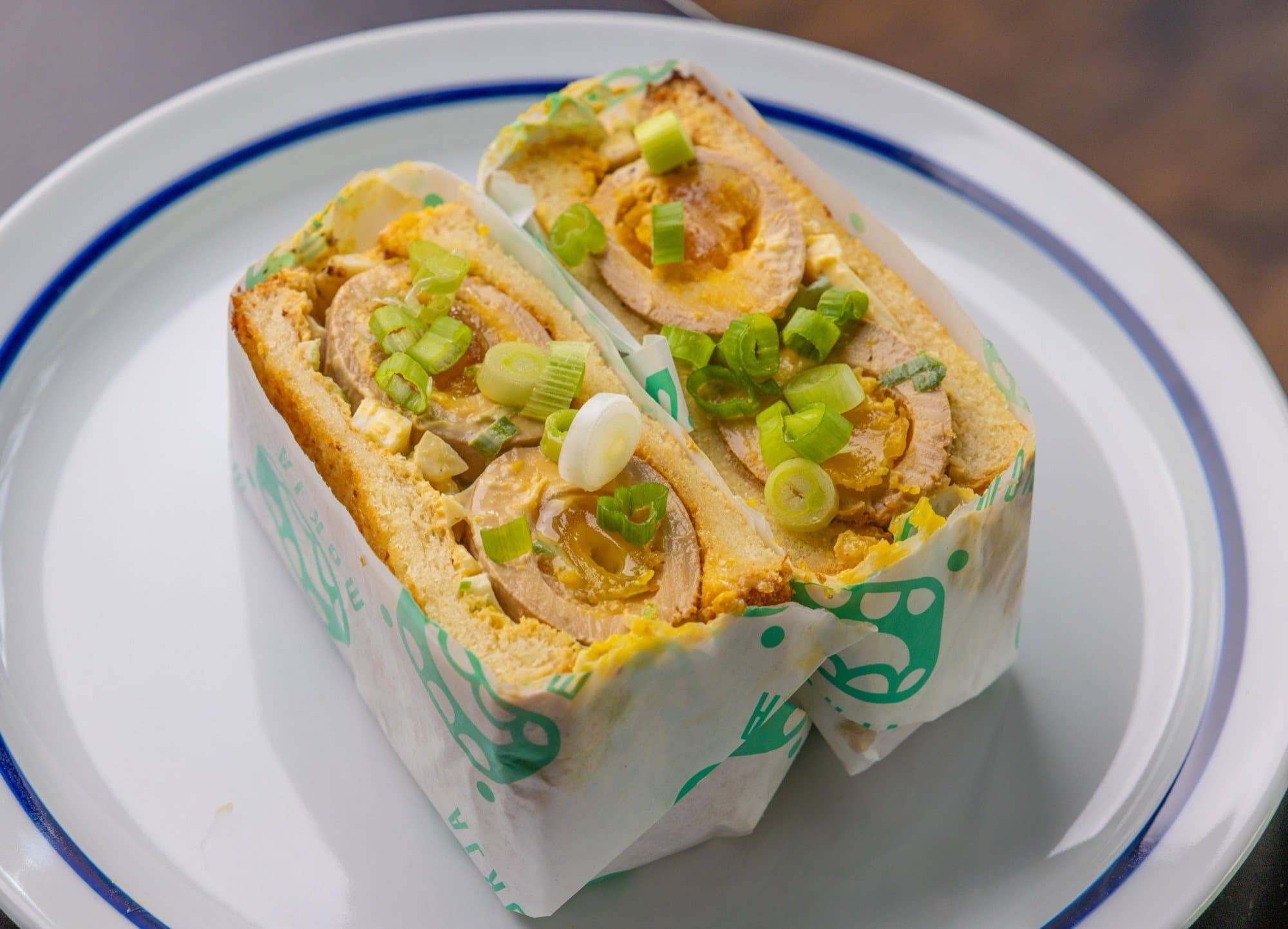
The menu leans into what the house calls Seoulful snackies and grab-and-go food. The early signature is the mayak egg sando: marinated soft-boiled eggs and scallions on thick Out of Thin Air milk bread. Mayak means addictive in Korean food slang, the same nickname that follows soy-marinated jammy eggs. Around that sit a PBL & T with pork belly, tomato muchim, lettuce, and kimchi mayonnaise; a Mountain Grain Bowl of purple rice, sesame vegetables, and chojang dressing; and a Cobb salad with shredded gochujang chicken and herby tofu feta. Chef Debbie Min’s musubi comes with Spam or tofu and a sweet soy glaze. Pastry chef Dara Yu handles the sweets, including yuja cha ice box pie, kimchi cheese biscuits, and black sesame chocolate pie.
The build-your-own ramen bar makes the convenience-store habit literal. Guests pick an instant packet, add toppings like a jammy egg or cheese, and finish the bowl in a few minutes. Lee has tied that station to Korean counter culture: cooking your own noodles is part of the fun. The fridge stocks kimchi, banchan, Korean barbecue ssam sets, cold noodles, and ice cream from Servet and 626 Hospitality if you want dinner without sitting down.
Misugaru, omija, and coffee that leans Korean
Frank La’s drink list is where pantry flavors meet café form. The misugaru latte uses roasted multi-grain powder, finished with misugaru cold foam. An omija sparkler starts with dried five-flavor berries he imports from South Korea, cooked into syrup and topped with sparkling water. Opening specialties also include a sweet corn latte with corn puree and espresso, a yuja cha lemonade cold brew, and a banana matcha latte built with housemade banana syrup and Korean matcha from Hadong. Classic espresso drinks, drip, cold brew, roasted barley tea, and roasted corn tea sit beside the playful cups. Mokja pours a Be Bright bean blend made for the shop.
At Be Bright, Frank has said he often touched Korean and AAPI flavors on special menus without wanting the whole café to read as a Korean concept. Mokja lets him lean in. The specialty board will rotate; he is already working on a drink inspired by yakgwa, the honey cookie.
The market shelves, and Orange County next
Michelle La curated the retail shelves: Be Bright coffee, Korean snacks such as Turtle Chips, and products from AAPI makers including Seoul Sausage, Rooted Fare, Woon Kitchen, and Valerie Confections. Lee has framed that mix as room for younger makers, not only souvenir chips. Once the shop settles in, the team plans pop-ups, dumpling classes, cookbook events, and K-beauty workshops, so the storefront can work as a neighborhood hangout as much as a lunch line.
A second Mokja is already planned for OC Vibe, the large Anaheim district whose market hall has named Lee among its first culinary partners, with a target sometime in 2027. Eater notes the development is also lining up other chef projects, including restaurants from Roy Choi. For now the open room is the Highland Park original: daily from 8 a.m. to 6 p.m., mayak egg sando and misugaru latte on the board, ramen packets waiting at the counter. A neighborhood chef and a barista champion built the format here; Highland Park gets first dibs.