
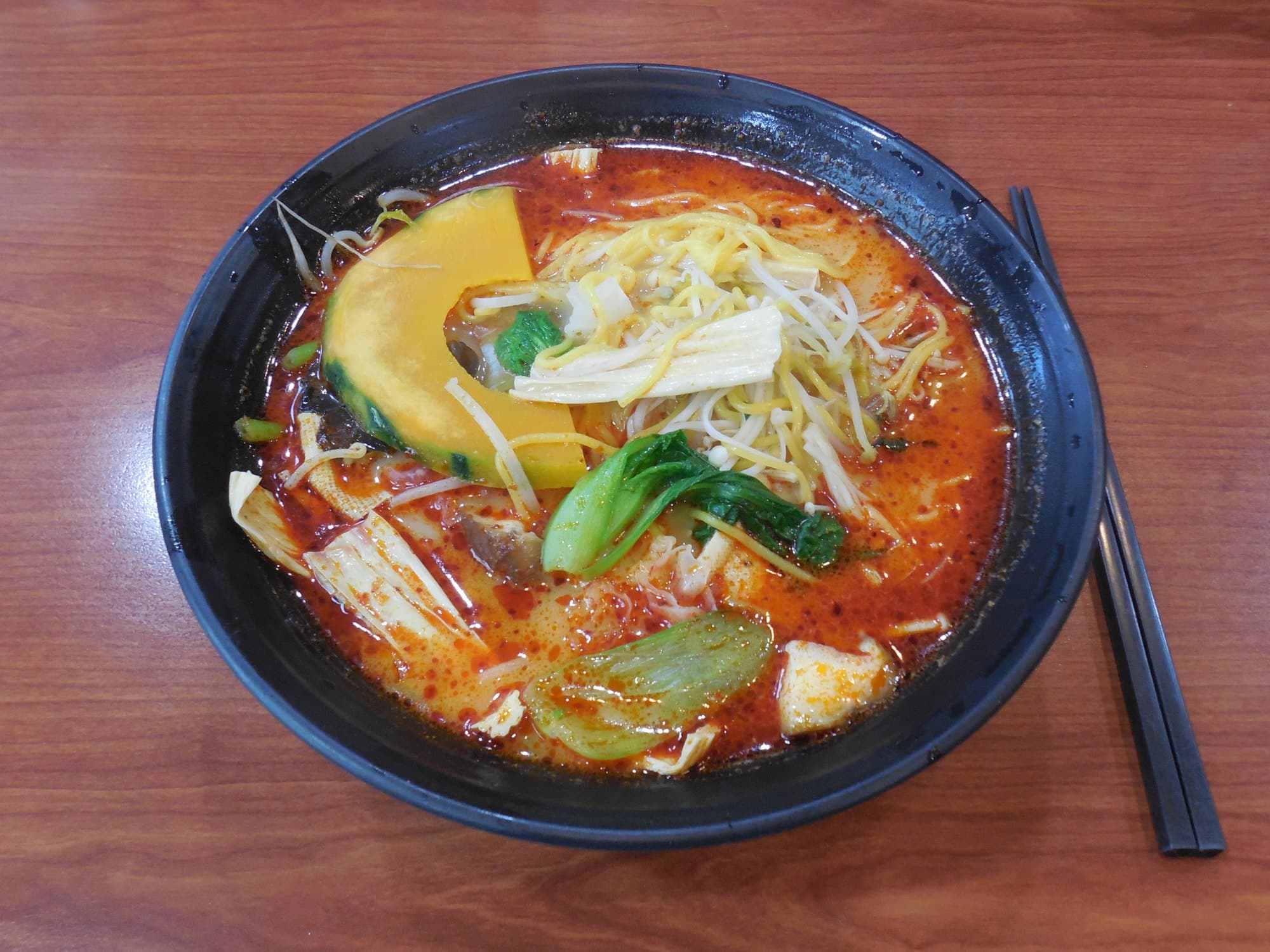
Photo by 오모군. Licensed under CC BY 3.0. Malatang photographed in Seoul; resized for web.
What’s in Your Malatang? Korea Just Recalled the Wood Ear.
Chinese wood ear and white wood ear imports tested many times over Korea’s pesticide limits. The chewy fungus is a quiet staple in the spicy bowls that became everyday lunch.
September 11, 2026
Korea’s Ministry of Food and Drug Safety ordered a recall of Chinese wood ear and white wood ear mushrooms after lab tests found pesticide residues far above the legal line. The Korea Herald tied the products to everyday spicy bowls like malatang and jjambbong, where the chile heat gets the attention and the fungus usually does not.
On September 10 the ministry named two importers. Taeyang Trading in Seoul’s Guro district brought in 6,900 kilograms of wood ear from Hubei Piaoyang Food Technology, packed May 26, 2026, in one-kilogram bags with a two-year shelf life. Tests found carbendazim, a fungicide used on fruits and vegetables, at 0.17 milligrams per kilogram. Korea’s limit is 0.01. That is seventeen times over. Seongmin Trading in Ansan imported 2,880 kilograms of white wood ear from Gutian Yumeijia Food, packed April 2, 2026. Those bags tested for acetamiprid, an insecticide, at 0.05 milligrams per kilogram, five times the same 0.01 ceiling. Together the wave covers about 9.8 metric tons. Buyers are told to stop using the packs and return them where they were purchased.
Wood ear is the black, gelatinous chew that keeps its snap in hot broth. White wood ear is the paler cousin sold for soups and some sweet desserts. In a malatang shop you pick vegetables, tofu skins, meat, and noodles by weight, then watch them tumble into a mala broth, the Sichuan pairing of chile heat and numbing Sichuan pepper. Korea turned that build-your-own bowl into mainstream lunch after about 2017. Tanghua Kungfu, the leading franchise, now runs nearly 600 stores and posted about 25.5 billion won in sales last year. In 2021, the delivery app Baedal Minjok ranked malatang as teenagers’ top delivery menu. Wood ear is rarely why anyone joins the line. It is still in many bowls.
This was not the first mushroom recall of the month. On September 2 the same ministry pulled 8,350 kilograms of Chinese wood ear sold by Taerim SM in Songpa after carbendazim hit 0.24 milligrams per kilogram, twenty-four times the limit. Import paperwork and long shelf lives mean a bag packed in January can still sit in a restaurant fridge in September. The ministry is policing residue, not closing malatang shops. Anyone who bought bulk wood ear from these Korean importers should check the brand and pack date, then return matching lots.
Herald coverage notes that high carbendazim exposure has been linked to reproductive and developmental concerns. Regulators set low residue ceilings for that reason. One bowl is not the same as chronic high exposure, and the ministry has not said otherwise. A cuisine Korea adopted as weeknight comfort still depends on Chinese-grown mushrooms that travel as commodity packs. When those packs fail a pesticide test, the ingredient list finally shows up next to the spice.
If your market bag matches the recalled lots, return it. The mala broth will keep selling either way. Korea just put the wood ear back on the label.