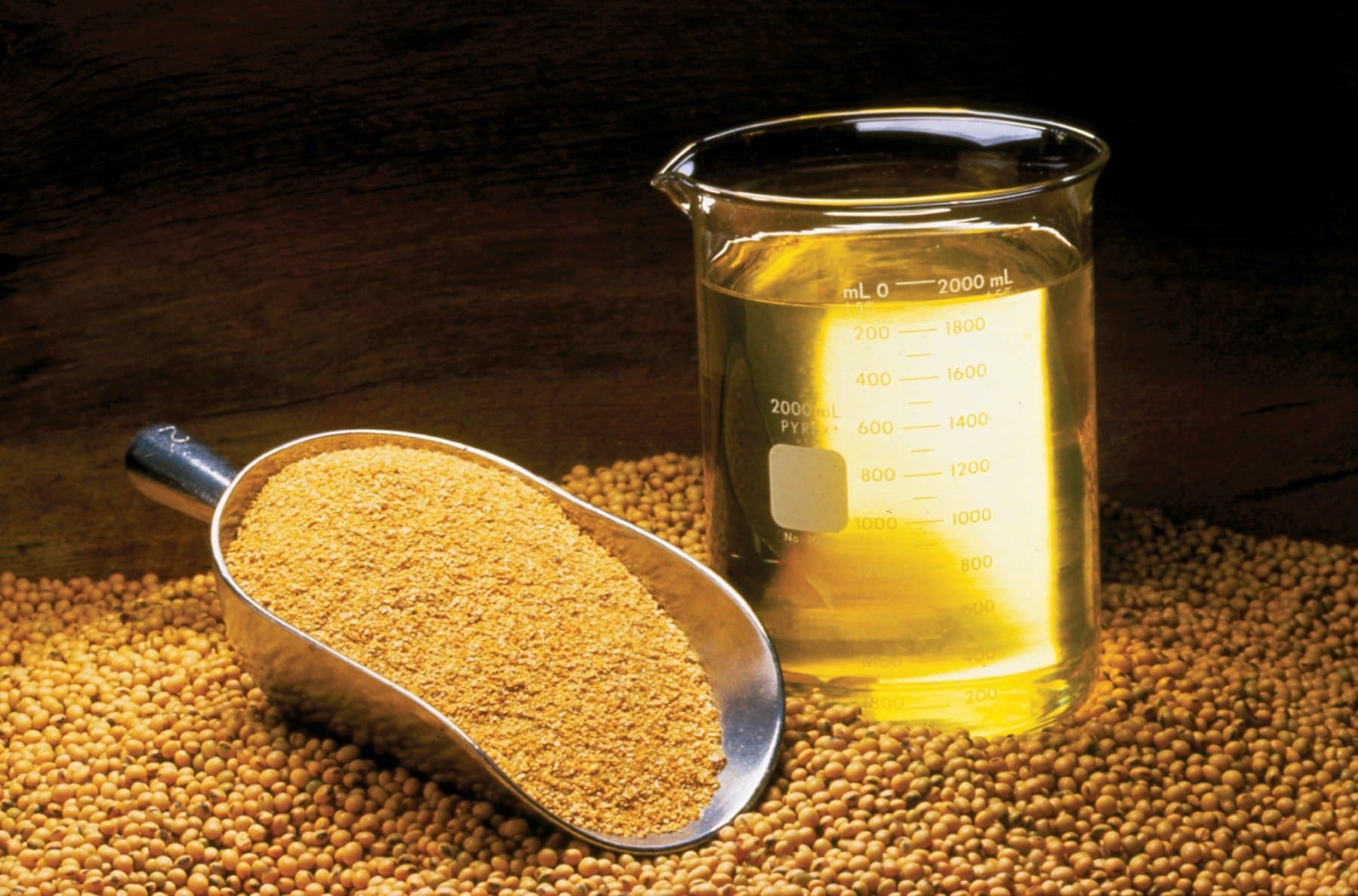
Photo by United Soybean Board. Licensed under CC BY 2.0. Resized for web
Taiwan Rewrites the Rules After the Cooking Oil Scandal
Central Union’s soy oil carried too much benzo[a]pyrene. The lasting story is how long it took anyone in power to hear about it.
July 24, 2026
Cooking oil is the quiet fat behind a Taiwanese kitchen. It fries the scallion pancake, loosens the sauce, and sits in bulk tins that never make the Instagram plate. In early July, that invisible layer became the loudest food story on the island.
Taichung’s Central Union Oil Corp. had shipped soybean salad oil with benzo[a]pyrene far above Taiwan’s legal limit. About 1,300 metric tons of it had already moved to three major packers, then into sauces, noodles, convenience meals, and restaurant dishes. The chemical story is serious. The kitchen story is the delay: the people who first saw the bad numbers took weeks to tell the government.
What was in the oil
Benzo[a]pyrene, often shortened to BaP, is a polycyclic aromatic hydrocarbon that can form during high-temperature processing or incomplete combustion. The International Agency for Research on Cancer lists it as a Group 1 carcinogen. Taiwan’s sanitation standard caps BaP in edible oils at 2.0 micrograms per kilogram. One Central Union batch tested around 8.1, about four times that line.
Health officials say a downstream customer, Namchow Group, first flagged an abnormal result on May 13. Namchow told Fwusow Industry on June 10. Fwusow told Central Union the next day. Central Union notified the Taiwan Food and Drug Administration on June 30. The company was later fined NT$165.2 million for failing to report immediately. Other firms drew smaller fines for delayed notice or slow shelf removal.
How far a tin can travel
The first buyers named by the TFDA were Taisun, Fwusow, and Formosa Oilseed Processing. From there the oil moved into hundreds of downstream products. Precautionary recalls widened in stages through early July, from the problem oil itself to foods that contained any of it, until lists topped 400 items and more than a thousand businesses.
Officials also ran into conflicting lab pictures. Some products made with Central Union oil failed BaP limits, while samples the company retained from the same production runs looked clean. That mismatch pushed a broader April-to-June precautionary pull. This is not the 2014 gutter-oil scandal, which turned on adulterated waste fats sold as edible oil. The 2026 case is over-limit BaP in soybean oil, delayed reporting, and questions about sample integrity. The public feeling, that the fat in the wok might not be what the label promised, is familiar enough.
What the Cabinet rewrote this week
On July 23, the Executive Yuan approved draft amendments to the Act Governing Food Safety and Sanitation and sent them toward the Legislature. The draft centers on faster alarms: designated manufacturers would have to file food-safety monitoring plans, and report anomalies within 24 hours of discovering or learning about them. Late or hidden reporting could draw fines up to NT$30 million. Labs would face clearer duties to report test results. Central authorities could stand up an incident command center in a major scare, and local inspectors would get firmer unannounced-sampling powers.
The legal text is not law yet. It still needs legislators. For kitchens and grocery aisles, the practical message is already plain. Taiwan’s oil chain is long, and hours matter once someone sees a red number.
Where the case stands now
By July 21, health officials said seven of thirty Central Union batches from the recall window were contaminated and must be destroyed. Nineteen batches cleared testing and could return with related products. On July 23, the TFDA published a list of 501 downstream items eligible to go back on shelves, while leaving the final call to businesses and local health bureaus. Taichung prosecutors, meanwhile, sought detention of a Central Union factory manager after fresh searches.
Shelf stickers will keep changing for a while. The deeper shift is the rulebook: Taiwan is trying to shorten the gap between a private lab result and a public kitchen knowing the oil was wrong.