What Happens When American and Japanese Sake Share the Same Table
Saturday’s Sake Loft in DUMBO puts Brooklyn Kura and Dassai Blue next to Japanese imports. Here is a three-bottle home flight for first-time buyers, with prices and where to shop in New York.
Updated November 11, 2026
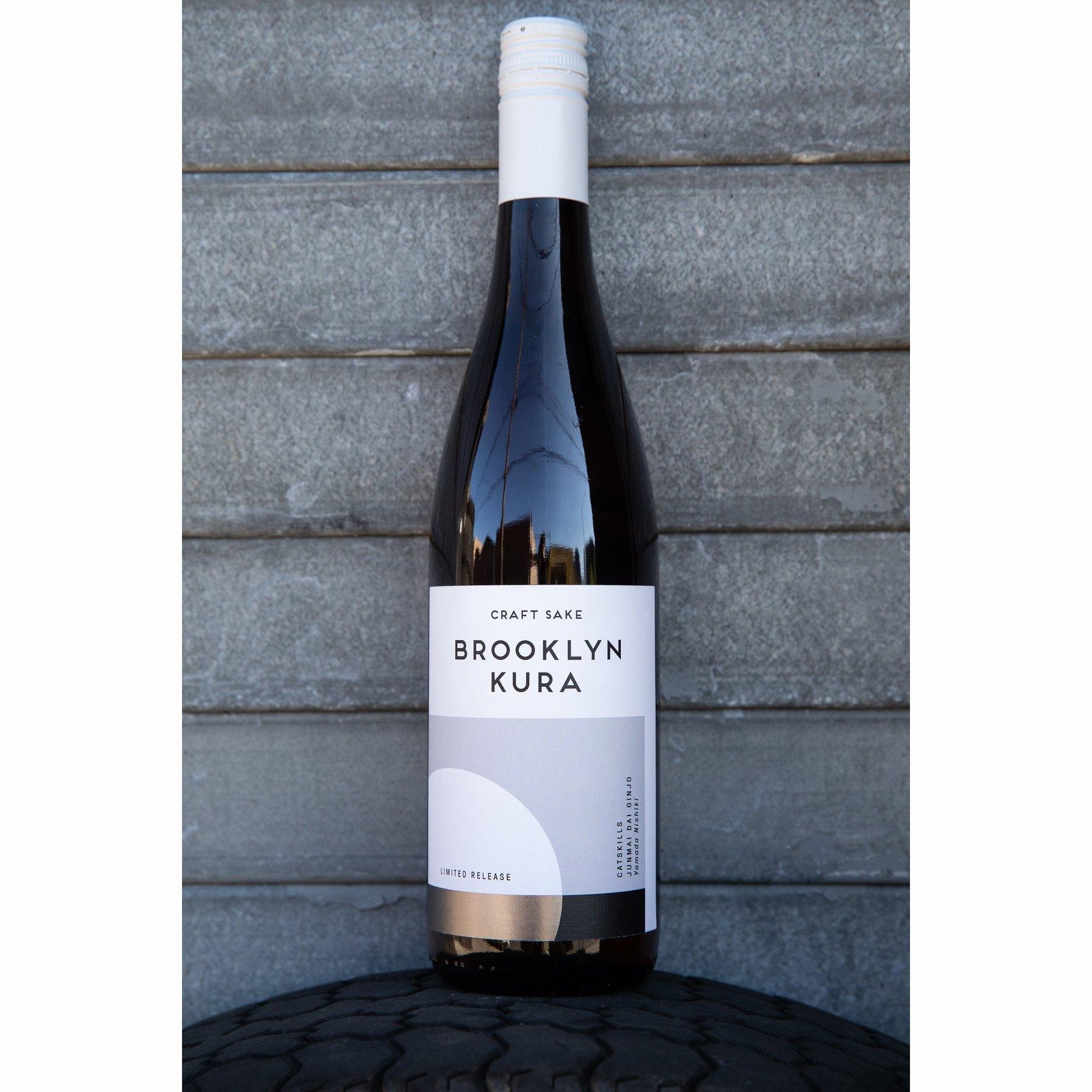
Photo by Brooklyn Kura. Licensed under Courtesy Brooklyn Kura. Brand product photography. Resized for web.
On Saturday, November 14, The Sake Loft takes over The Dumbo Loft at 155 Water Street with more than thirty sake on the tables. Brooklyn Kura from Sunset Park and Dassai Blue from Hyde Park share the floor with Japanese bottles from houses such as Hakkaisan and Kikusui.
That lineup answers a question first-time buyers ask a lot: what actually changes when the brewery is in New York instead of Japan. You can settle it with twelve one-ounce pours at the event, or with three bottles at home. The flight below stays in junmai daiginjo, mostly Yamada Nishiki polished near 50 percent, so the differences come from water, house style, and how far the bottle traveled.
Three bottles that belong together
Kiyo Darner, who writes for Izakaya Juraku and partnered with the event, tells guests to start with the New York breweries while the palate is clean, then move to a Niigata bottle. At home, keep the rice and polishing band close so you are comparing like with like.
Start with Brooklyn Kura Catskills, a junmai daiginjo from the Sunset Park brewery. It is Yamada Nishiki and Catskills water. The brewery lists the 750 milliliter bottle at about $35. Retailer sheets put polishing at 50 percent and alcohol around 16 percent, with a nama chozo finish that wants the fridge. Chambers Street Wines and Union Square Wines have been near $37. Best Buy Liquors in Brooklyn has listed it under $33. Kuraichi at Japan Village has been near $39.
Next to it, pour Dassai Blue Type 50 from Asahi Shuzo’s Hyde Park brewery. That bottle is also Yamada Nishiki polished to 50 percent. Astor Wines has had the 720 milliliter size around $28; other shops sit between about $25 and $35. The house note points to tropical fruit, lemon, and a little brine at the end.
The Japanese import is Dassai 45 from Yamaguchi, Yamada Nishiki polished to 45 percent. Astor lists the 720 milliliter bottle at $33.99. Sakaya NYC has been near $42. Brooklyn’s The Liquor Store has listed it around $35. Same brand family as Blue, same rice, and a Pacific crossing behind it.
What a first-time buyer can taste
Darner pours Dassai Blue next to Japanese sake for a simple reason. A bottle brewed last month in Hyde Park is a different drink from one that crossed the ocean. Smell the Blue and the 45 before you sip. One may come across brighter. The other may smell more settled.
John Gauntner, the sake educator, told Smithsonian Magazine that most American sake he tasted was clean and well made, while Japanese bottles more often showed depth and layers. After the first fruit note, pause. See if the Japan bottle keeps changing, or if the American bottle stays in one clear place.
Then taste for water and house style. Catskills is Brooklyn’s cool-fermented daiginjo, meant for white-wine temperatures. Blue Type 50 is Hudson Valley Dassai. Dassai 45 is the everyday Yamaguchi daiginjo. Three kitchens, one rice family.
How to pour the flight
Chill all three. Use the same small glass. Smell, sip, rinse with water. Write one word for aroma and one for finish. You want to hear what American brewing and Japanese brewing do when the bottles match.
Bought at Astor, a Brooklyn liquor store, and the brewery sites, Catskills, Blue Type 50, and Dassai 45 usually add up to about $90 to $110 before tax. If you want more than three pours, buy general admission to The Sake Loft. Eventbrite has listed GA from about $59 for Saturday afternoon, with twelve pours and a snack station. VIP starts around $135 and includes Chef Makoto Suzuki’s pairing before the floor opens. Tickets are 21 and over.
When you are done, put the open bottles in the fridge and finish them within a few days.