
Miso: White, Red, and Awase
What the color on the tub is trying to tell you, and which paste to reach for when you cook.
Updated July 17, 2026
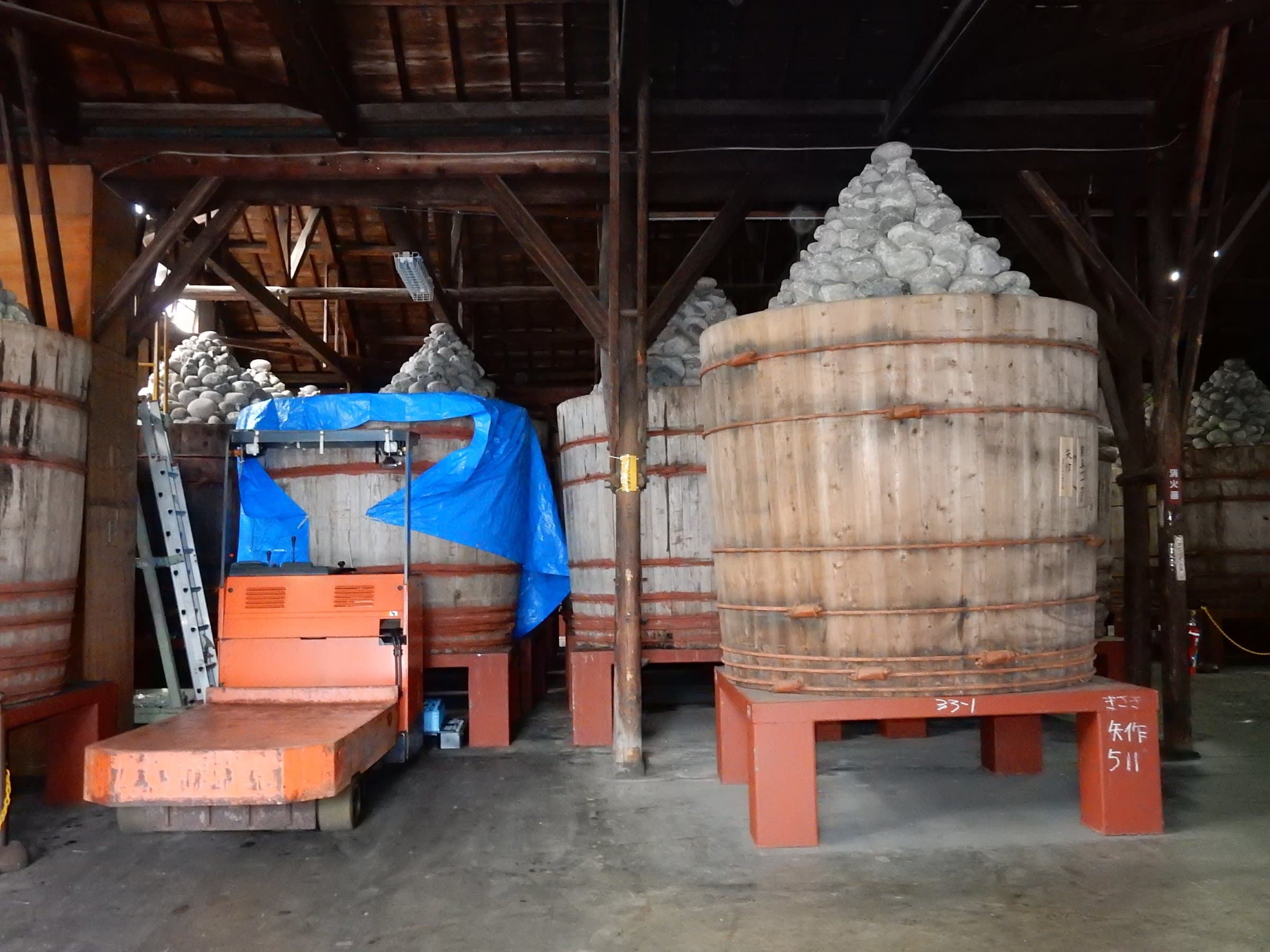
Photo by Mikkabie. Licensed under CC BY-SA 4.0. Resized for web
At a lot of grocery stores, miso looks like one product with a few colors. Pale tub, brown tub, darker tub. Pick one, make soup, move on.
Color is a real clue, and it is only the first one. Behind those labels sit different koji grains, salt levels, aging times, and regional styles. This piece is about reading the tub you actually buy: what white, red, and awase usually mean, what else the label may say, and when each paste earns a place in the pot.
What it is
Miso is a thick fermented paste. In its classic Japanese form it comes from soybeans, salt, and kōji: steamed grain or beans inoculated with Aspergillus oryzae, the mold that also helps make sake and soy sauce. During fermentation, enzymes from the koji break proteins into amino acids that taste savory, and starches into sugars that soften the salt.
You dissolve it into dashi for miso soup, whisk it into dressings, paint it onto fish or eggplant, and stir it into braises and marinades. Related fermented pastes show up elsewhere in East Asia. Korean doenjang and Sichuan doubanjiang are cousins in spirit, with different ingredients and kitchen jobs. Treat them as their own jars.
How miso is made
Most traditional production runs in two stages. First comes koji: rice, barley, or soybeans are steamed, inoculated with mold spores, and incubated for roughly two days so enzymes develop. Then the koji is mixed with cooked mashed soybeans, salt, and water. That mash ferments and ages. Scientific accounts of industrial and traditional brewing often mention salt-tolerant yeast and lactic acid bacteria joining the work after the mold stage.
Aging can run from a few weeks for sweet pale pastes to a year or more for darker ones. Longer aging generally deepens color through browning reactions and pushes the flavor toward richer savoriness. The Umami Information Center notes that miso is not locked under a Japanese Agricultural Standard the way soy sauce is. Variety is wide, and unheated paste can keep changing after packing, which makes a single chemical grade hard to enforce. For shoppers, that means labels and producers matter more than a universal grade stamp.
White, red, and awase
White (shiro)
White miso is the pale, milder end of the shelf. Shorter fermentation, a higher share of rice koji, and often lower salt leave it gently sweet and easy in dressings, light soups, and marinades. Kyoto’s Saikyō-style white miso sits at the extreme of that idea: a high rice-koji ratio, salt around five percent in many producer descriptions, and a short ferment that keeps the paste creamy and sweet. It is the paste behind a lot of saikyō-yaki marinades and Kansai New Year ozōni. Lower salt also means it wants careful refrigeration once opened.
Red (aka)
Red miso has usually aged longer. The paste darkens, salt and savoriness come forward, and the flavor holds up in hearty soups, braises, and glazes. Northern red rice misos such as Sendai-style pastes are a familiar example: long fermentation, deep color, and a rounder saltiness than a young white tub. Use red when you want the miso to stay audible in a robust dish.
Awase (blended)
Awase literally means combined. Many household tubs are a blend of lighter and darker miso sold as one paste. That middle path is why so many cooks keep awase as their everyday tub: enough sweetness for a gentle soup, enough depth for weeknight cooking. If the store only has one unlabeled “miso,” check whether the packaging says awase or blended. It often does.
English labels also invent “yellow” for light-colored rice misos that sit between white and red. In Japanese industry language you will also see light-colored (tanshoku) as its own color band. Treat color as a useful first map, then read ingredients and salt cues on the package. Different makers land in different places even under the same color word.
What else the label may say
Japanese makers often classify miso by the koji substrate first. Rice miso (kome) accounts for roughly eighty percent of production in Japan. Barley miso (mugi) is common in Kyushu and parts of western Honshu, with a toasty, grainy aroma. Soybean miso (mame) uses soybean koji rather than rice or barley and includes dark regional styles such as Hatchō miso from Okazaki in Aichi Prefecture.
Shinshu miso, associated with Nagano Prefecture, is the everyday rice miso many Japanese households know: light-colored, salty, clean. Industry materials from the Shinshu federation put it at around half of national miso production and consumption, with on the order of a hundred breweries in the prefecture. If your tub tastes like the default restaurant soup miso you have met for years, there is a good chance it sits near that Shinshu / light rice-miso lane.
Also watch for nama (raw / unpasteurized) language. Many commercial bagged pastes are heat-treated or stabilized with a little alcohol so they stop fermenting hard in the package. Nama miso is packed closer to barrel condition and can keep evolving in the fridge. That is a quality preference, not a moral ranking. Follow the storage line on the label either way.
A few names worth knowing
Hatchō miso is a mame miso tied to Hatchō-chō in Okazaki, about eight chō (roughly 870 meters) west of Okazaki Castle. Classic versions use soybeans, salt, and water, packed into huge cedar vats under pyramids of river stones and aged through at least two summers and winters. Japan’s GI system registers Hatchō miso as a protected product name for Aichi Prefecture makers working to that tradition. You will meet it in Nagoya-area cooking as a deep, slightly bitter, very savory paste for soups and miso-katsu sauces.
Saikyō points back to Kyoto’s sweet white tradition. Sendai points to Tohoku red rice miso with a longer ferment. Mugi points to barley. You do not need every regional tub. Knowing the names helps when a specialty shop or recipe calls for one on purpose.
A short history
Miso sits in a longer East Asian story of fermented soybean pastes. Historians usually place Chinese jiang-style pastes as early relatives, with transmission into Japan often dated around the sixth or seventh century through China and Korea, especially alongside Buddhist contact. Exact routes and dates are contested. Early Japanese sources talk about hishio and related salted fermented pastes; the modern word miso appears in Heian-period materials in standard producer histories.
Over centuries, farmhouse and regional brewing diversified with local grains and climate. By the early modern period, miso was both a household staple and a provision food. Today it remains everyday pantry paste in Japan even as domestic shipment volumes have trended down from roughly half a million tons around 2000 toward the mid-350,000-ton range in recent industry figures, with a small but growing export share. Those numbers are trade estimates for tracked shipments, useful for scale rather than kitchen doctrine.
How and when to use each
What to keep at home
- One everyday light rice miso or awase for soups and general seasoning
- Optional white or Saikyō-style paste for dressings, marinades, and gentle bowls
- Optional red or dark mame paste for braises, hearty soups, and bold glazes
- Dashi you trust (kombu, bonito, or a clean instant), since soup lives on broth plus miso
Reach for white when you want softness and a little sweetness: vinaigrettes, shira-ae-style dressings, light tofu soups, white-fish marinades. Reach for red when root vegetables, pork, mushrooms, or a winter bowl need something that will not disappear. Reach for awase or a Shinshu-style light rice miso when the recipe just says “miso” and you are cooking a normal weeknight soup.
Technique matters as much as type. Whisk miso with a ladle of warm broth first so it dissolves cleanly, then stir that slurry back into the pot. For miso soup, pull the pot off a hard boil before the paste goes in. Cooks and writers who work this beat often note that aggressive boiling dulls aroma and can leave the soup tasting flatter and saltier than it should. Darker pastes can take a little more heat in long braises, where you want them to integrate, but the late-add rule still protects the perfume you bought the tub for.
To start, we recommend one good everyday awase or light rice miso and a dashi you like. If you buy a second tub, add a white paste for dressings and marinades. That pair covers most home cooking without turning the fridge into a tasting flight.