
How to Choose Gochujang
What grain, chile, fermented soybean, and sweetener can tell you about the tub.
Updated July 18, 2026
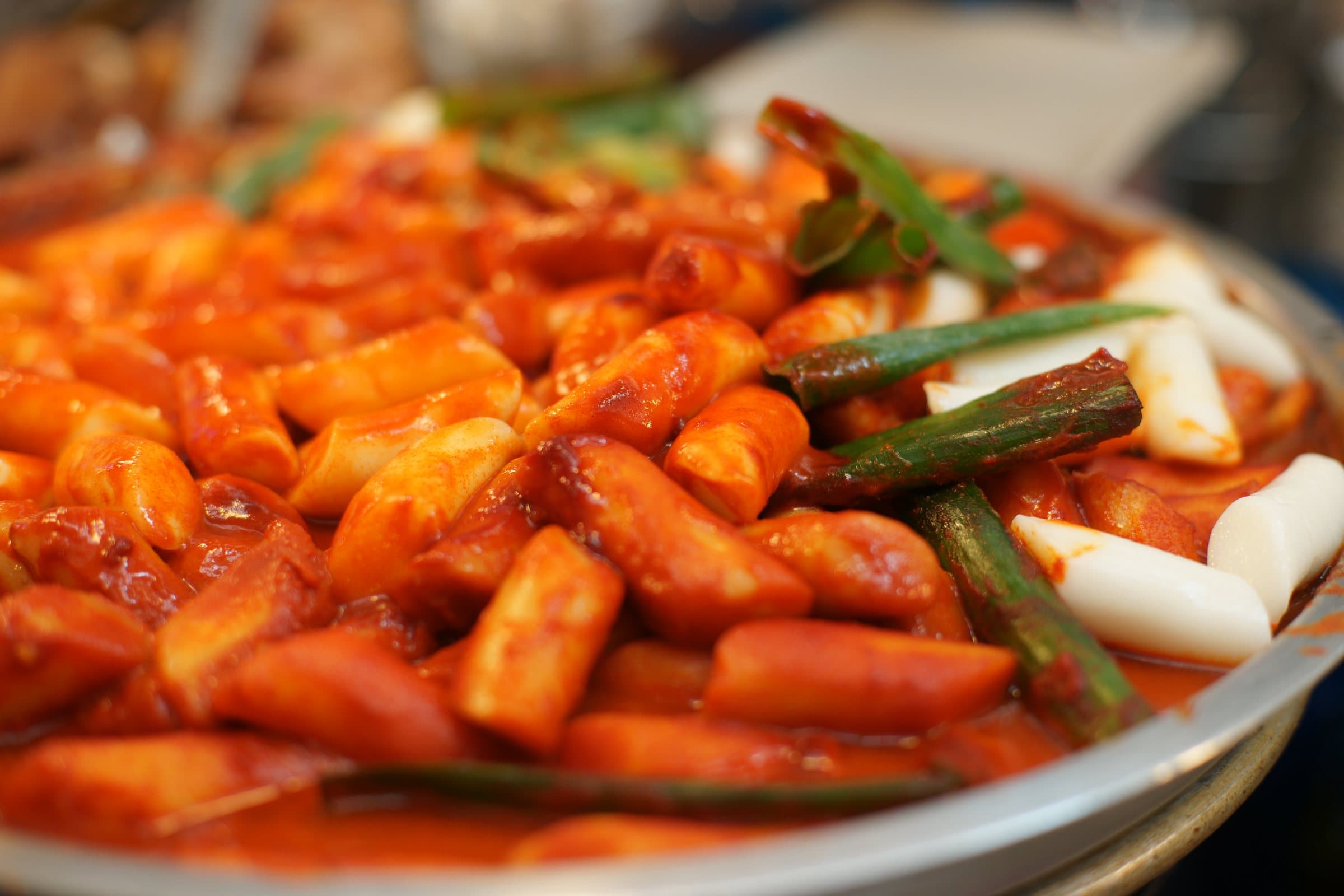
Photo by Popo le Chien. Licensed under CC0 1.0. Cropped and resized for web
Open a tub of gochujang and you get more than chile heat. The paste is thick, salty, gently sweet, and deeply savory, with enough body to cling to rice cakes or season a stew. That character comes from grain and fermented soybean as much as it does from red pepper.
Tubs can differ sharply in sweetness, salt, heat, grain, and fermentation method. The front label rarely tells the full story. For a useful first tub, turn it around and read the ingredients.
What makes it gochujang
Gochujang is a fermented Korean seasoning paste built from grain, red-pepper powder, salt, water, and soybean-derived fermentation materials. International Codex standards distinguish it from chile pastes whose main ingredient is simply chile. The grain and soy are essential to its sweetness, savoriness, aroma, and body.
Grain supplies starch. Malt and microbial enzymes break that starch into smaller sugars, creating sweetness before any syrup enters the picture. Fermented soybean material called meju contributes enzymes and microbes too. As proteins break down, they produce peptides and amino acids that deepen the savory side of the paste.
Traditional formulas may use glutinous rice, ordinary rice, barley, or wheat. “Glutinous” means sticky, not gluten-containing. Wheat and barley do contain gluten, and both appear in commercial tubs.
From earthenware jar to factory tub
A traditional process starts with soybean-and-grain meju, cooked grain, malt, chile powder, and salt. The mixture matures for months, historically in breathable earthenware jars called onggi. Modern factories may use selected Aspergillus and Bacillus cultures, grain koji, controlled temperature, shorter maturation, added syrup or aromatics, and heat treatment before packing.
Neither method fits every producer. “Traditional,” “naturally fermented,” and aging claims should be tied to the specific tub rather than assumed from rustic packaging.
A careful history
Chile peppers were domesticated in the Americas and traveled around the world after transatlantic contact. Their exact route and arrival date in Korea remain debated. Older Korean words for pungent plants are sometimes presented as proof of ancient chile use, but those words may not have referred to American Capsicum.
An early eighteenth-century text, Somunsaseol, includes a recognizably modern preparation called Sunchang gochojang. Jeungbo Sallim Gyeongje securely documents gochujang ingredients and production in 1766, followed by another detailed recipe in Gyuhap Chongseo in 1809. It is accurate to say gochujang is securely documented in the eighteenth century. Claims that chile-based gochujang is thousands of years old do not fit the botanical evidence.
Sunchang has a celebrated gochujang tradition and a registered Korean geographic indication. Its story linking the paste to King Taejo belongs to local heritage rather than settled history. UNESCO’s 2024 inscription recognizes Korean jang-making knowledge as living culture, not one ancient origin date.
Read the tub
Useful words on Korean labels
- 고추장: gochujang
- 매운맛, 덜매운맛, 순한맛: hot, less hot, mild
- 찹쌀, 현미, 보리: glutinous rice, brown rice, barley
- 밀, 소맥, 소맥분: wheat or wheat flour
- 메주가루, 고춧가루: powdered meju, red-pepper powder
- 물엿, 조청: starch syrup, grain or rice malt syrup
Ingredient order reveals more than package color. A tub with rice, pepper, and fermented soybean high on the list will not cook exactly like one led by starch syrup or wheat flour. Added syrup is common and does not make a paste fake, but a sweeter product may need less sugar in tteokbokki, marinades, and dipping sauces.
Check the nutrition panel for sodium and the allergen line for soy and wheat. A sticky-rice tub is not automatically gluten-free because other ingredients or processing may introduce wheat. If gluten matters, look for an explicit gluten-free statement.
Heat, sweetness, and salt
Some tubs print GHU, or Gochujang Hot Taste Unit. The voluntary Korean scale runs from mild below 30 through extreme hot above 100. Export packages often use pepper icons instead, and one brand’s icons may not match another’s.
Sweetness may come from grain converted by enzymes, added starch or corn syrup, rice syrup, or sugar. Salt seasons the paste and helps control fermentation. Both vary widely, so taste a new tub after diluting a little into a sauce rather than judging it straight from the spoon.
Put it to work
Loosen gochujang with water and sesame oil for bibimbap. Build it into tteokbokki sauce with stock, soy sauce, and only as much extra sweetener as the tub needs. Mix it with soy sauce, garlic, sesame oil, and a little sweetener for meat, mushroom, or tofu marinades. Dissolve it into gochujang jjigae or a sauce for noodles and vegetables.
The paste contains sugar and dense solids, so it can scorch over high heat. Thin it before a long simmer or add it with liquid rather than frying a thick spoonful in a dry pan.
To start, choose a small or medium tub of plain, medium-heat gochujang. Look for grain and red pepper near the top of the ingredient list, then check sweetness, sodium, and allergens. A versatile tub should be easy to thin for a sauce and sturdy enough to season a stew.