
Dashi Basics
Kombu, bonito, shiitake, and instant options for the stock that quietly holds Japanese cooking together.
Updated July 19, 2026
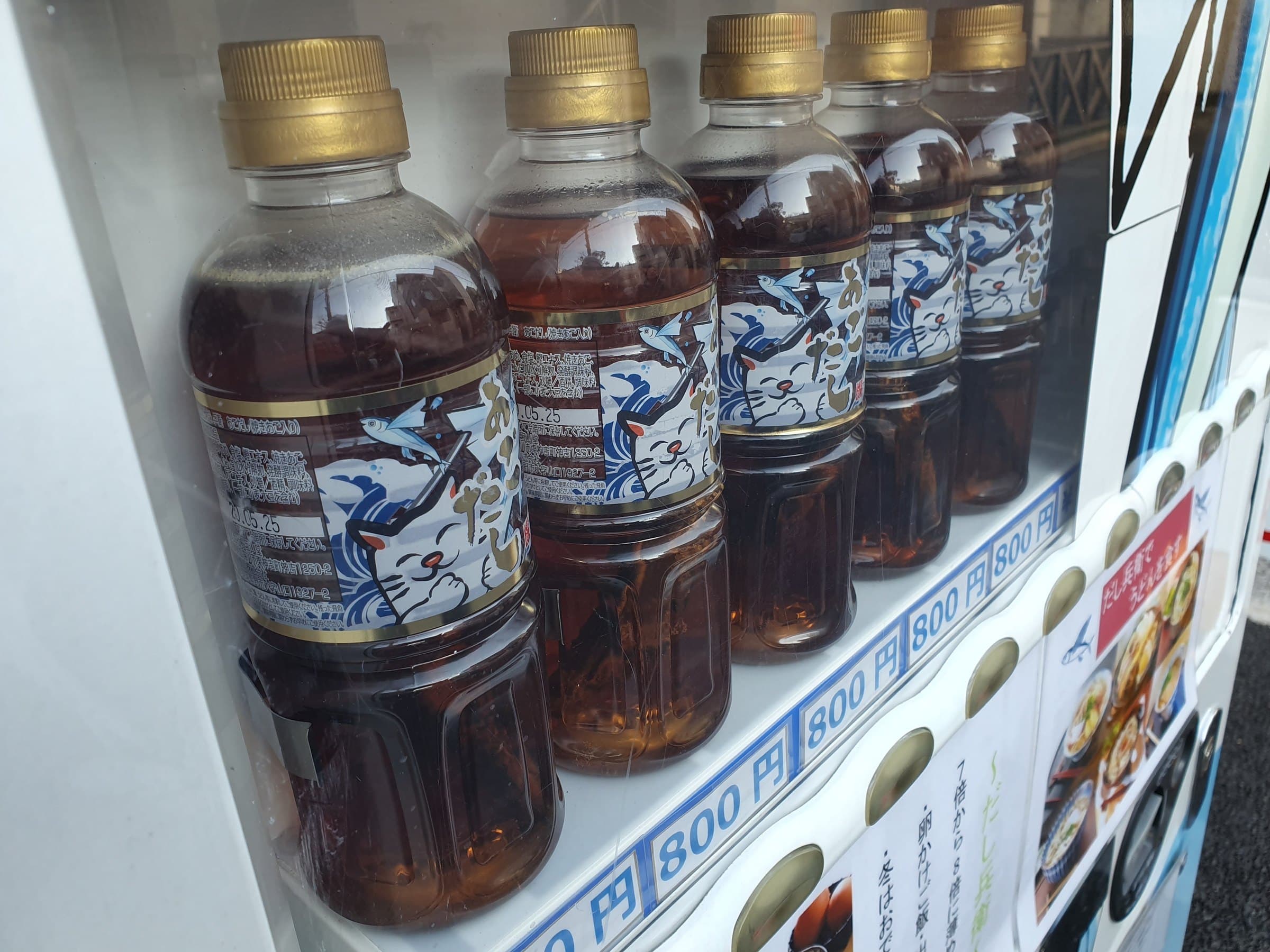
Photo by Syced. Licensed under CC0 1.0. Resized for web
Dashi rarely asks to be the loudest thing in the bowl. It gives miso soup its depth, carries soy and mirin through a simmered dish, and turns a few noodles into dinner. Unlike a long-cooked meat stock, it can be ready in well under an hour.
There are several good ways in. Kombu and katsuobushi make the classic first stock. Kombu and dried shiitake make a satisfying plant-based version. Granules and dashi bags trade some control for speed. The right choice is the one that fits what you cook and the time you have.
Why kombu and bonito work together
Kombu is dried kelp rich in free glutamate. Katsuobushi is skipjack tuna that has been cooked, smoked, dried, and, in some styles, ripened with mold before it is shaved into flakes. It brings smoke, fish aroma, gentle acidity, and inosinate.
Glutamate and inosinate reinforce each other at the tongue's umami receptor. The combined stock tastes fuller than either ingredient would suggest on its own. Dried shiitake offers a similar partnership: its guanylate joins kombu's glutamate to make a more rounded vegetarian stock.
The chemistry is useful, but dashi still depends on aroma and restraint. A stock left too long with thin bonito flakes can become harsh or overly smoky. Kombu boiled hard can taste heavier and more seaweed-forward than a clear soup needs.
A dependable first dashi
Awase dashi for about 1 litre
- Combine 1 litre water with 10 grams kombu and soak for 30 minutes
- Heat gradually over medium-low heat
- Remove the kombu just before the water reaches a full boil
- Let hard bubbling subside, add 15 to 20 grams thin katsuobushi flakes, and steep off heat for about two minutes
- Strain without pressing hard on the flakes
This makes awase dashi, a combined stock suited to miso soup, clear soups, noodle broths, sauces, and nimono. Use it soon for the brightest aroma.
Do not rinse kombu. If it looks dusty, wipe away visible sand with a barely damp cloth. The pale bloom on the surface is largely mannitol, a naturally occurring sugar alcohol, rather than mold. It tastes mildly sweet. Glutamate, not mannitol, supplies the kelp's central umami note.
Removing kombu before a boil is a style choice for a clean, restrained stock. It is not a safety rule, and some kombu-only preparations simmer the kelp briefly. The bonito cut matters too. Thin hanakatsuo flakes need a short steep. Thick atsukezuri shavings are made for longer cooking.
Vegetarian dashi
Kombu alone makes a light stock for vegetables, tofu, and clear soups. For more body, add dried shiitake. Soak the kombu and mushrooms in cold water in the refrigerator overnight, then warm the liquid gently. Remove the kombu before a full boil and strain out the mushrooms when their flavor is where you want it.
The soaked shiitake can be sliced for soup, rice, or a simmered dish. Check any packaged product labeled vegetarian or vegan rather than trusting the word dashi by itself. Dashi describes a family of stocks, and many powders and bags contain fish.
Granules and dashi bags
Instant granules dissolve directly in water and give consistent results in a few minutes. Dashi bags contain ground dried ingredients and steep like tea. Both are practical choices for weeknights, especially when dashi is one layer in a seasoned broth rather than the main event.
Read the package before deciding how much additional seasoning the dish needs. Ajinomoto's current US Hondashi formula begins with salt and MSG and also contains lactose, sugar, dried bonito tuna, disodium inosinate, and extracts. Other products may include wheat, soy, milk, hydrolyzed protein, yeast extract, or added sugar. Vegan powders may rely on kombu, shiitake, yeast extract, and salt.
A short ingredient list is not a complete measure of quality. Choose according to fish content, salt level, allergens, dietary needs, and the flavor you prefer. Taste the broth before adding miso, soy sauce, or more salt.
A few label and pantry notes
What to check
- Fish, milk, wheat, and soy allergens in powders and dashi bags
- Salt near the top of the ingredient list, especially when the finished dish also contains miso or soy sauce
- Bonito or skipjack if the stock needs to be vegetarian
- Package storage directions for opened flakes, granules, and bags
A claim such as “no added MSG” does not mean a product contains no glutamate. Kombu, mushrooms, and yeast extract naturally provide it. Kombu can also contain a great deal of iodine, with wide variation by species and batch. Anyone managing a thyroid condition or consuming concentrated kombu very frequently should follow medical guidance rather than treating seaweed as an unlimited supplement.
How dashi got here
Kombu appears in Japanese records as tribute by 797, and maritime trade later carried Hokkaido kelp south to Kyoto and Osaka. Preserved bonito has an old history too, while the smoking and mold-ripening methods associated with modern katsuobushi developed much later. Japan's agriculture ministry links recognizable current methods to the seventeenth century.
In 1908, chemist Kikunae Ikeda isolated glutamate from kombu and named its taste umami. Shintaro Kodama identified inosinate in katsuobushi in 1913. Akira Kuninaka later connected guanylate and the reinforcing effect among umami compounds. UNESCO's 2013 Washoku inscription recognizes a broad set of dietary practices, not dashi as a separately listed heritage item.
To start, make awase dashi once so you know what kombu and bonito contribute. Keep kombu and dried shiitake for plant-based cooking, or choose granules or bags when consistency and speed matter most. Each route belongs in a useful pantry.