
Omakase Without the Performance
How to tell a fish-and-rice counter from a tasting-menu show, and what to check before you reserve.
Updated July 22, 2026
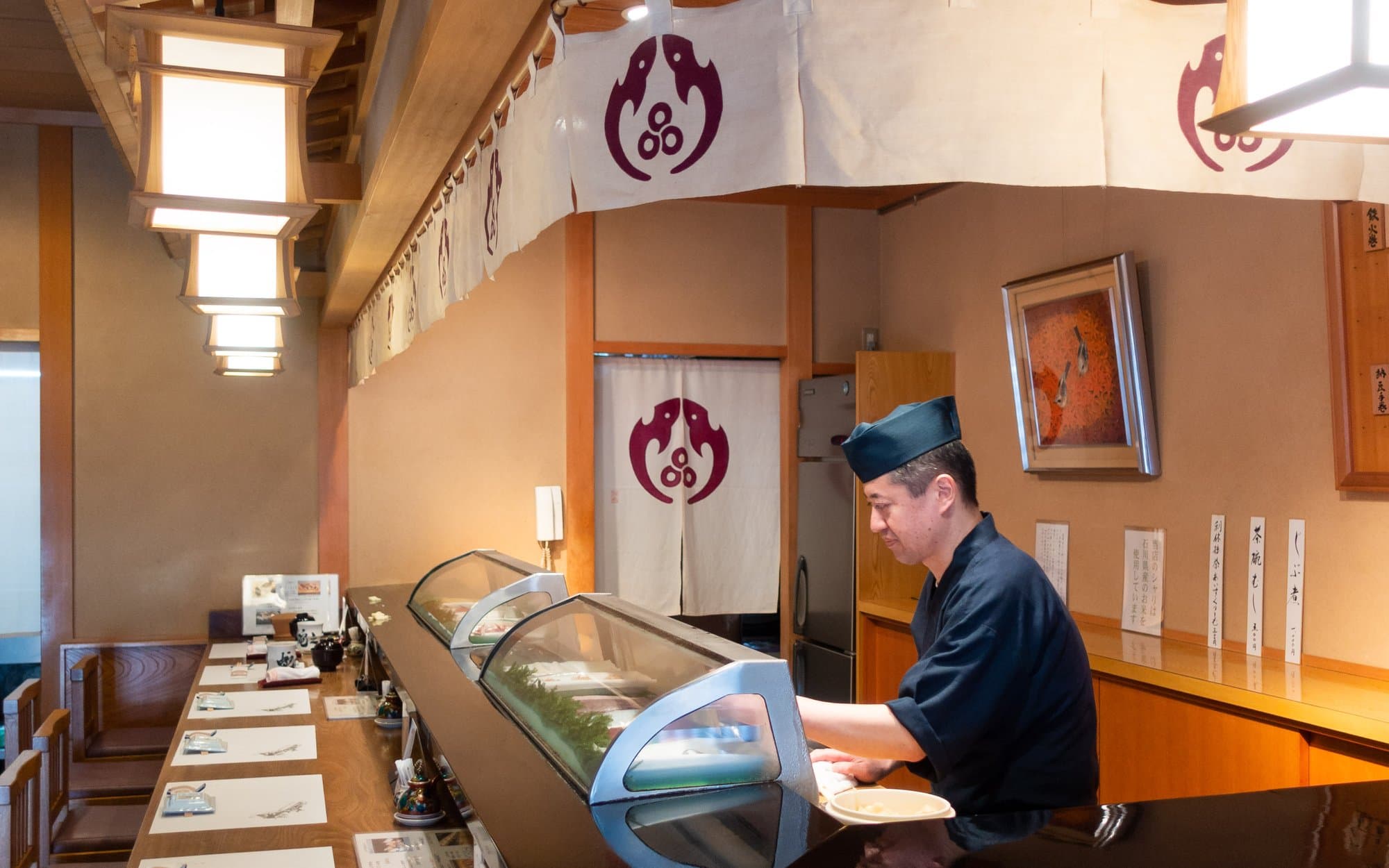
Photo by Benh LIEU SONG. Licensed under CC BY-SA 2.0. Cropped and resized for web
The booking calendar looks simple until you notice the deposit, the two seatings, and a cancel window that turns into a full charge. That is the moment to slow down.
Omakase (お任せ) means you leave the selection to the chef. At a sushi counter, that usually means a progression of small plates and nigiri shaped around the day’s fish, the season, and how you are eating. The word does not promise a quiet room, a loud tasting show, or a perfect meal. It only describes who chooses.
Before you reserve, read the format, the seat, and the money rules. Those details tell you more than the lighting reel.
First, name the product
A tight sushi counter and a long tasting menu can both use the word omakase. They are not the same evening.
At a classic counter, you sit facing the itamae. Pieces come one at a time. The chef controls the pace. Conversation happens across a few feet of wood. Many of these rooms talk about Edomae work: curing, marinating, kelp-pressing, simmering, aging. The point is preparation as much as “freshness.”
A dining-room or table omakase from the same kitchen can still be excellent. It is usually more private and less interactive. Courses may arrive in small batches. The price can be lower or higher than the counter; the booking page will say which seat you are buying.
Kaiseki is a different format again: a more prescribed seasonal sequence, often in a quieter multi-course room. Michelin’s useful shorthand is that kaiseki is a style of cuisine and omakase is a style of service. If the listing leans kaiseki or kappo, do not assume a nigiri counter is the center of the night.
Theatrical rooms can still cook beautifully. Just notice whether the copy sells fish, rice, and seasonality, or mostly narrative, torches, and atmosphere. Book the product you want.
What the booking page should answer
Read before you confirm
- Seat type: counter, table, private room, or mixed. Counter is the interactive sushi format; table is a different social rhythm.
- Length and seatings: many meals run about 75 minutes to 2.5 hours. Fixed waves mean lateness can cost you courses.
- Lunch vs dinner: same restaurant, different length and price is common.
- Money: deposit, full prepayment, or card hold. Screenshot the free-cancel deadline and party-size change rules.
- What the listed price includes: tax, service or admin fee, gratuity, drinks.
- Dietary field: allergies and hard aversions go here, in specific language, not at the counter.
- Release window: rolling 30, 60, or 90 days is common in the US. Famous Japan seats often need weeks to months of planning.
How money usually works
In the United States, many counters use Resy or Tock. Resy often holds a card and charges if you cancel late. Tock frequently sells the meal like a ticket: you pay at booking, which helps small rooms plan fish and staffing. Neither platform has one universal cancel rule. The venue’s own note on the booking screen is the rule that counts.
In Japan, visitors usually meet a mix of TableCheck, Pocket Concierge, TABLEALL, OMAKASE, hotel desks, and the occasional direct email. TableCheck is often a straight restaurant reservation. Pocket Concierge and TABLEALL are English-facing paths into harder rooms, sometimes with platform fees and steep late-cancel schedules. TABLEALL’s own FAQ has published sliding penalties that can reach the full meal price close to the date, plus a non-refundable booking fee. Always read the screen you are about to accept.
These rules feel strict because the kitchen buys for a fixed headcount. An empty seat is not only lost revenue; it is fish already on the clock. If your travel day is soft, do not book a non-refundable counter on arrival night after a long flight, and do not hold two restaurants for the same meal.
Signals that beat the lighting reel
Look for concrete language: seasonality, market sourcing, aging or curing, rice, seat count, course length. A page that only sells “immersive luxury” is advertising a mood. A page that tells you whether you are at eight seats facing the chef, for roughly twenty pieces over two hours, with a 72-hour cancel window, is selling a plan.
Counter versus table matters even when the kitchen is the same. At the counter you watch pieces made and eat them at the temperature the chef intended. At a table you gain privacy and space; you usually give up some of that immediacy.
To start, we recommend choosing the format first (sushi counter, table omakase, or kaiseki), then the seat and seating time, then only the restaurants whose cancel math you can live with. Rankings can wait.
Book only if the night-of basics fit
Arrive on time. Synchronized counters start together; late guests often miss courses that will not be remade. Skip strong perfume or cologne so the room can smell the fish. Keep phones quiet, and keep bags and phones off the wooden counter unless staff offer a tray.
Eat each piece soon after it lands. The rice temperature is part of the craft. You do not need a long etiquette script. Punctuality, clear allergies, and attention at the counter cover most of what helps the meal.
When the calendar asks for your card, you should already know what product you bought, where you will sit, what happens if plans change, and whether the kitchen can feed your table. That is how you book a counter for the fish and the craft, not for the performance around them.