
Dumpling Party: Prep and Flow
Filling prep, wrapper strategy, and the batch cooking that keeps the table moving.
Updated July 19, 2026
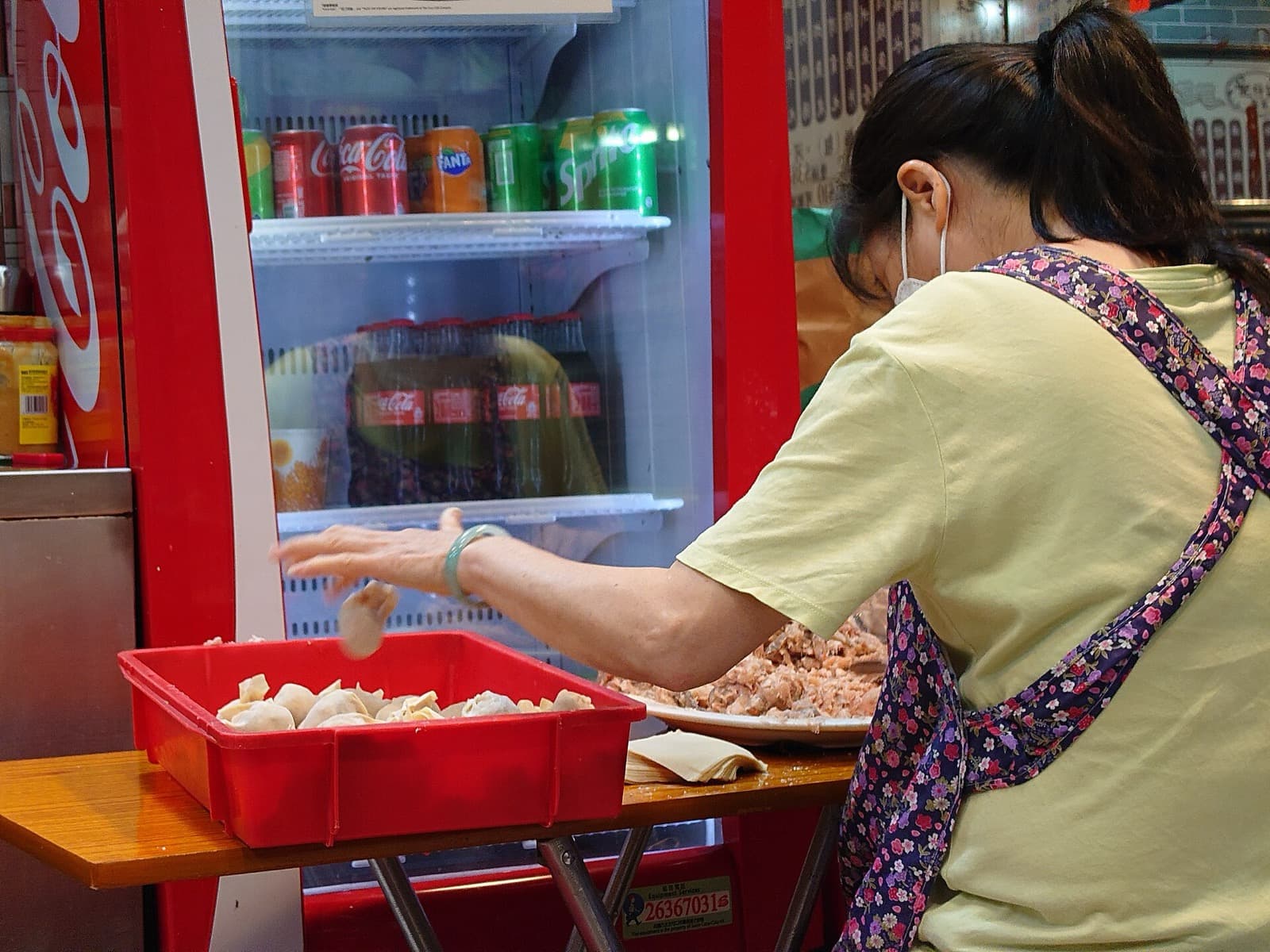
Photo by Amakuha. Licensed under CC BY-SA 4.0. Resized for web
A dumpling party is social cooking with a clear finish line: trays of sealed crescents, then plates that keep arriving. The evening works when the messy, time-heavy work is already done and the fun work is left for the table. Prep fillings and thaw wrappers before anyone rings the doorbell. Fold together. Cook in small batches so the first plate is not waiting on the last dumpling.
You do not need perfect pleats. You need cold fillings, covered wrappers, and a stove that never waits for the whole guest list to finish folding.
What kind of night this is
Northern Chinese jiaozi, Japanese gyoza, and Korean mandu each carry their own holiday and household habits. Jiaozi are a northern staple and a New Year table favorite. Gyoza, shaped by Chinese jiaozi and popularized widely in Japan after the mid-twentieth century, often show up pan-fried as a side with rice or ramen. Mandu sit in their own Korean dumpling culture, including Seollal folding and soup bowls. A friend party can borrow the communal wrapping spirit from any of those tables without pretending they are one dish.
Choose one cooking lane for the night (boil, steam, or pan-fry) so the kitchen does not become three restaurants at once. Hot pot is a different format: ingredients cook in a shared broth at the table. Dumplings here are folded first, then cooked in batches.
The day before
Shop for two or three fillings if diets mix: a classic pork and napa cabbage, a shrimp or chive option, and a tofu-mushroom vegetable mix. Salt chopped cabbage (and other watery vegetables), rest, then squeeze hard before mixing so the filling stays juicy without turning soupy. Prefer pork with some fat, and stir the meat with seasonings until sticky so juices bind. Chill fillings covered overnight or the morning of; several cooks find rested filling easier to scoop.
Keep ground pork and seafood cold. Food-safety guidance puts ground meats in a short refrigerated window, often cited as one to two days, at refrigerator temperature. Clear fridge and freezer space. Thaw store-bought wrappers in the fridge if they are frozen. If you are making dough, mix and rest it so rolling is not a panic job when guests arrive.
Wrapper strategy
Store-bought round skins keep a party moving. Match thickness to the cooking method: sturdier shui jiao or potsticker skins for boiling, thinner gyoza-style skins for pan-fry steam-fry. Keep opened packs under a damp towel so edges do not crack. Water seals most commercial wrappers.
Homemade wrappers reward patience with a chewier bite, but rolling is the skill bottleneck. For a first party, buy wrappers and save homemade dough for a smaller group or for the friend who already rolls with confidence. If you do make dough, a rough flour-to-water ratio near two to one by weight is a common starting point. Cold-water dough leans chewy for boiling; hot-water dough leans tender for steam or pan-fry.
Folding station for every two or three guests
- Bowl of chilled filling with a spoon or chopsticks
- Stack of wrappers under a damp towel
- Small dish of water for sealing
- Parchment-lined tray for finished dumplings
- Second damp towel to cover the finished tray
Station setup and guest flow
Build the stations before the doorbell. Put snacks and drinks out so folding does not start on an empty stomach. Demonstrate one simple seal: a half-moon pinch, or a few basic pleats. Under-filling beats bursting. Different-looking dumplings are fine; leaks are the only real problem.
For a dumpling-forward meal, generous hosting writeups often land near fifteen to twenty dumplings per guest. Smaller counts work if salad, greens, or soup share the table. Warn people they will fold before they feast. Start the first cooking batch when the first tray can feed everyone a taste, not when every wrapper is gone. Assign one calm person to the stove. Everyone else keeps folding while plates go out.
Cooking in batches
Boiling is the volume play for classic water dumplings: plenty of water, a stir so nothing sticks, and cook until the filling is done. Many northern home methods add cold water during the boil so skins do not overcook before the centers finish. Steaming keeps skins springy and fillings focused. Pan-frying (oil, then water, then a lid) gives the crisp bottom people hover for, but pans only hold so many.
Serve simple dips and let guests mix their own bowls. For a Chinese-leaning table, soy sauce with Chinese black vinegar and optional chili oil or chili crisp. For gyoza, soy with rice vinegar and chili oil. For mandu, a vinegar-soy choganjang with sesame and scallion. One primary cook method plus an optional second beat is enough; three simultaneous stations usually slow the first plate.
Freezer coda and food safety
When appetites slow, flash-freeze extras in a single layer on parchment until solid, then bag them airtight. Cook from frozen another night; do not thaw first, or wrappers soften. Assembled uncooked dumplings do not love a long sit in the fridge, so cook what you will eat soon and freeze the rest the same night.
Keep raw filling chilled. Nest bowls on ice if folding runs long, and keep perishable food out of the refrigerator no more than two hours (one hour in very hot rooms). Cook ground-meat fillings thoroughly; get leftovers into the fridge within two hours. Separate raw-filling utensils from cooked plates.
The host should eat, too. The point of the format is a table that stays in motion: fold, cook a tray, eat, fold again, and send people home with a freezer bag if space allows. Cold fillings, covered wrappers, a stove that never waits for the last dumpling, and a dipping bowl within reach. That is the whole party.