
How to Host Hot Pot Night at Home
Hot pot doesn't have to mean either an enormous mess at home or a $50-plus-per-person night out at a restaurant.
Updated July 13, 2026
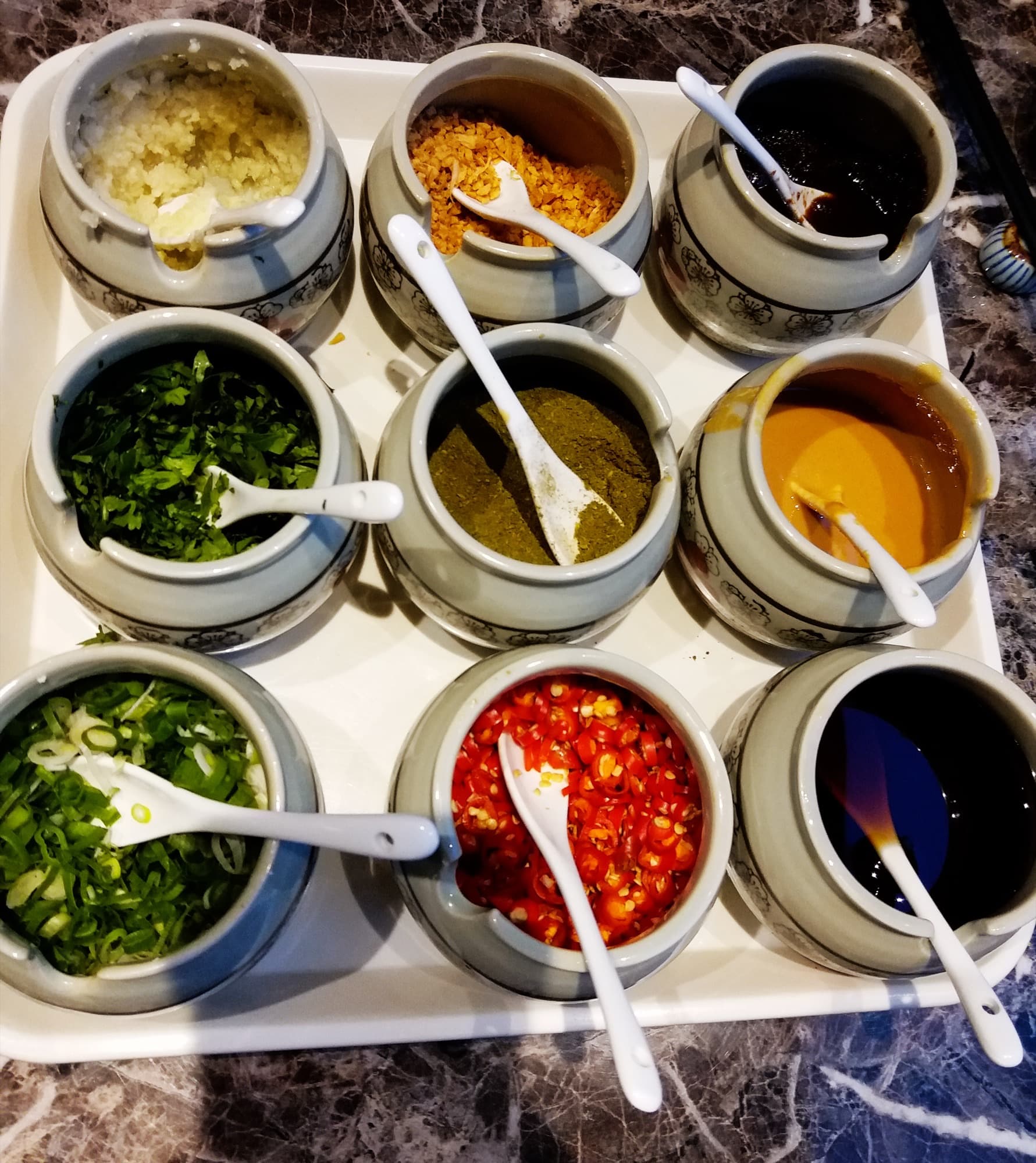
Photo by Pauloleong2002. Licensed under CC BY-SA 4.0. Resized for web
Before you invite people, decide three things: which regional pot you are roughly aiming for, how much spice oil smell your kitchen can take, and whether this is a low-friction first night or a closer try at a specific style.
This guide is for hosts who already cook, respect East Asian food beyond party novelty, and want concrete shopping and table decisions without fake certainty about a single correct pot.
A short history, carefully told
Hot pot here means fresh ingredients cooked in shared simmering broth at the table. The format is old in Chinese dining culture. The origin story is not a single neat invention date.
Museum and archaeology reporting in China has pointed to bronze vessels with a charcoal tray beneath a cooking chamber as early hardware for pot-over-fire dining. A Western Zhou bronze ding in the Shanxi Museum collection, excavated from a Jin aristocratic tomb, is often shown this way: food chamber above, charcoal tray with vents below. A Western Han vessel from the Marquis of Haihun tomb has been discussed in similar terms, though excavators themselves have disagreed about whether some of these pieces were primarily for boiling or for keeping food warm. Treat those finds as evidence of elite pot-over-fire dining, not as proof of the modern restaurant experience.
Regional styles diverge later. Northern clear-broth pot culture, eventually closely associated with Beijing-style instant-boiled mutton (涮羊肉), emphasizes thin meat and a restrained broth. After chili peppers entered Chinese cooking following the Columbian Exchange, Sichuan and Chongqing developed oil-rich, chili-and-Sichuan-pepper broths that define the mala category many diners know abroad. Coastal and southern tables lean toward seafood and light stocks. Yunnan tables prize mushroom broths when the season allows. Local oral history in Chongqing often credits Yangtze River boatmen and dockworkers with popularizing a fierce dockside pot. Present that as regional lore that shaped a style, not as the sole verified national origin.
Useful host takeaway: there is no one authentic hot pot. There are several coherent traditions. A modern divided pot (鸳鸯锅) exists because one table often wants more than one of them.
Home pot or restaurant pot
Restaurant hot pot is still the right call sometimes. Specialty cuts, deep chili-oil broths that would haze your apartment for days, and zero cleanup are real advantages. In US and diaspora writeups, casual chain nights often land around the mid-teens to mid-twenties per person, all-you-can-eat dens often land in the mid-twenties to mid-thirties, and a la carte or more polished rooms commonly climb from the mid-thirties into the fifty-dollar-and-up range, with city and protein quality doing most of the work.
Home hosting shows up cheaper once you own a burner and pot. Home-cooking cost breakdowns for a four-person Sichuan-style spread often land roughly in the ten-to-eighteen-dollar-per-person band when you buy soup packets, thin meats, vegetables, and noodles carefully. A one-time outlay for an electric hot pot, induction setup, or butane burner plus pot usually sits somewhere from about twenty-five dollars on the frugal end to about a hundred-twenty for nicer gear.
Choose the restaurant when ventilation is poor, guest count exceeds your burner capacity, or you want thick mala oil without living with it afterward. Choose home when you want control over spice, dietary limits, meat quality, seating time, and per-person spend for a group that will happily eat more vegetables than an AYCE line encourages.
What “the hot pot” actually is
At its simplest, a home hot pot is three things: a heat source that can live safely at the table, a wide pot (plain or divided), and utensils that let people cook and retrieve food without fishing blindly.
An electric hot-pot set is the easiest full-night solution. A portable induction burner with a compatible pot is cleaner than open flame. A butane burner plus pot feels traditional and runs hot, but it needs ventilation and careful table placement. Instant Pots and deep Dutch ovens can work in a pinch. They are usually too deep for easy communal cooking.
Put raw ingredients on platters or in shallow containers before anyone sits down. Give each person a sauce bowl, chopsticks or tongs, and a small strainer. Keep raw meat chilled until it goes into the pot. Start the broth at a real boil, then hold a steady simmer. Cook proteins thoroughly. Leafy greens and noodles go late so they do not collapse the broth into sludge.
Minimum kit
- Tabletop heat source with enough wattage or flame for a rolling simmer
- Wide pot, preferably divided if guests split on spice
- Individual sauce bowls and retrieving utensils
- Cutting boards and containers for mise en place the day before
- Window open or range hood plan if you are cooking mala oil
Regional variations that change the shopping list
Chongqing / Sichuan mala
Oil-forward broth built with chili, Sichuan peppercorns, and often beef tallow or chili oil. Good for guests who want heat and numb spice. Pair with hardy vegetables and a sesame-oil heavy dipping sauce to cool each bite.
Beijing-style shuan yangrou
Near-clear broth, often barely more than water and aromatics, with extremely thin mutton or lamb as the star. The copper chimney pot is traditional hardware. Dipping sauce is built by each diner from sesame paste and accompaniments such as fermented bean curd and chive flower paste.
Chaoshan (Teochew) beef
A light beef broth or nearly clear pot built around fresh beef, cut and timed carefully. Blanch times are short and cut-dependent. Shacha sauce is the usual dip. This path wants a good butcher more than a dramatic soup base.
Yunnan mushroom
Broth depth comes from simmered mushrooms, sometimes with cured ham for salinity. Best when you can get a variety of mushrooms. Less about chili theater, more about aroma and broth clarity.
Divided pot
One half mild, one half mala. It is the modern host compromise. Do this if you have mixed spice tolerance at one table.
Two recommended paths
Most first-time hosts should take the ease path and get one clean win with friends who already like the food. Save the authenticity path for the second or third night, once you know your burner’s habits and how much produce your group actually finishes.
Ease-path shopping list (about 6 guests)
- 1–2 commercial hot-pot soup base packets, or one mild + one spicy for a divided pot
- 2–3 lb pre-sliced frozen beef and/or lamb for hot pot
- 1–2 packs firm or soft tofu
- 1 pack fish balls or similar prepared balls
- 1 lb shrimp, peeled
- 1 large napa cabbage
- 2 bunches spinach or bok choy
- 2 packs enoki mushrooms
- 1–2 ears corn, cut into chunks
- Glass noodles or udon, plus optional frozen dumplings
- Sesame paste or unsweetened peanut butter, soy sauce, garlic, scallions, chili oil
- Optional bottled shacha sauce if anyone wants a Chaoshan-leaning dip
Authenticity-path shopping notes (choose one lane)
- Chongqing / Sichuan mala: chili oil or beef tallow, dried chilies, Sichuan peppercorns, doubanjiang, mala soup base to reinforce; tripe or tendon if guests want classic textures; sesame oil for dipping
- Beijing-leaning: best thin mutton or lamb you can get; light aromatics for a clear pot; sesame paste, fermented bean curd, chive flower paste for diner-mixed sauce; chimney pot only if you have one and safe charcoal or an electric approximation
- Chaoshan-leaning: butcher-sliced beef with short blanch times; light beef bone broth; shacha sauce; keep the broth restrained so the meat stays the point
- Yunnan-leaning: mixed mushrooms for broth and plate; optional cured ham or high-quality stock; lighter dips; more mushrooms than chili
If you do not have an Asian grocery nearby
Online Asian grocers that ship frozen thin meats, soup bases, and burners make a real home pot possible outside Asian grocery belts. Shelf-stable soup packets and sauces also travel well by mail.
A mainstream-supermarket version can still work for a first ease path. Ask a butcher for thinly sliced ribeye or partially freeze a steak and slice it yourself. Use chicken stock for a mild pot. Buy baby bok choy, spinach, white mushrooms, firm tofu, and rice vermicelli. This will not read as Chongqing or Chaoshan. It will still be a legitimate communal pot meal, which is a better first outcome than waiting until perfect sourcing appears.
Drinks and something after
Light Asian lagers show up constantly in pairing writeups because carbonation and mild malt cut chili oil and fatty meat. Tea is the older companion: chrysanthemum for a cooling association with spicy meals, oolong as a flexible midweight, pu’er when the table is especially rich. Sour plum drink (酸梅汤) and lightly sweet soy milk or fermented dairy drinks help some people take the edge off mala heat.
Close with fruit if you want to keep the night clean. Soft serve or a simple ice cream works when the table has been spicy and oily, because temperature contrast is doing as much work as flavor. Glutinous rice balls appear in some after-meal traditions; they are optional, not required homework.