
Photo by Fumikas Sagisavas. Licensed under CC0. Resized for web.
America’s Cheese Surplus Is Coming for Asian Menus
Record U.S. cheese production and softer domestic demand are sending American blocks toward pizza kitchens, bakeries, convenience foods, and localized dishes like corn cheese, while European names still hold the prestige shelf.
August 6, 2026
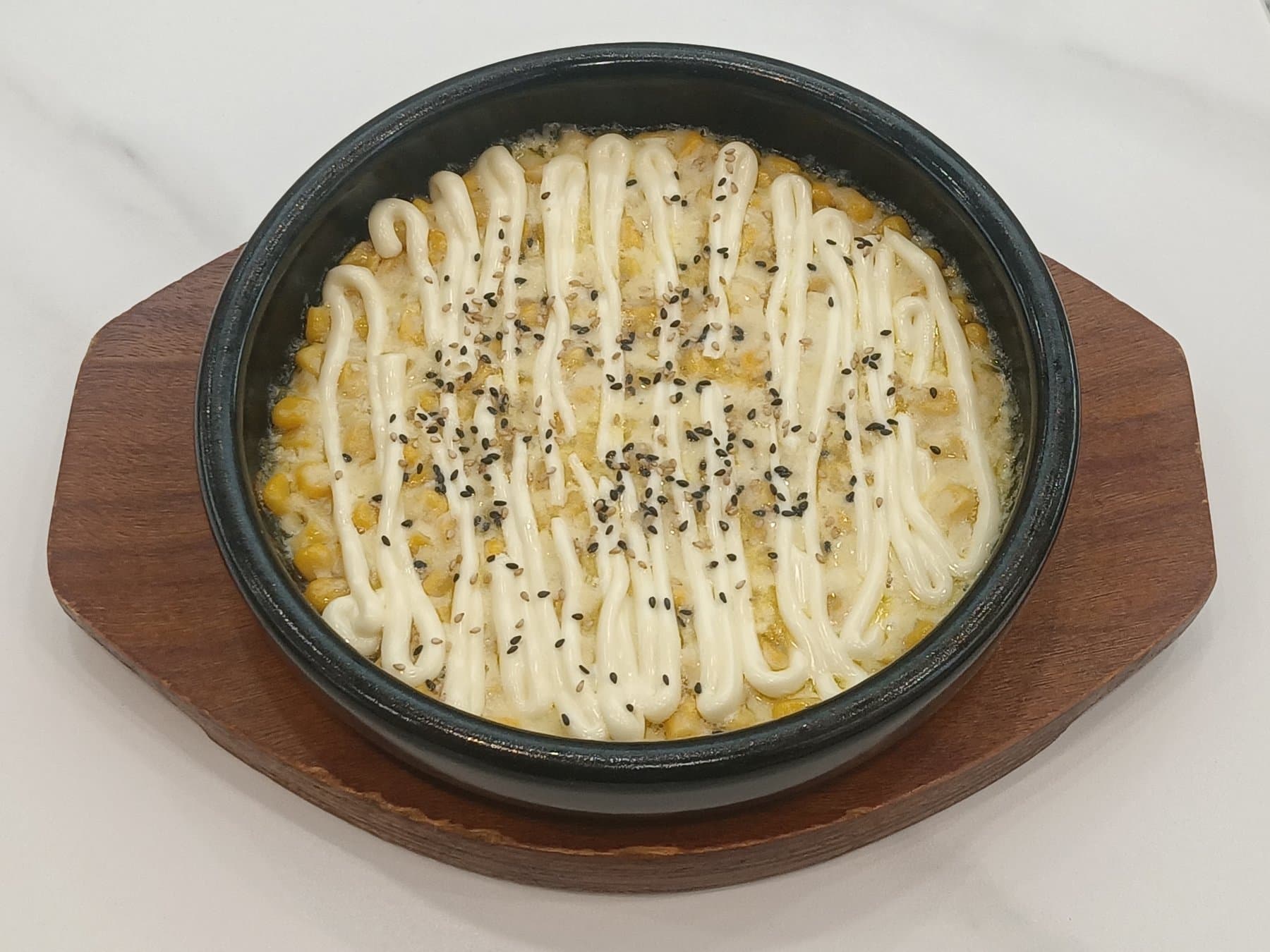
On a Korean barbecue table, the cheese often arrives before the meat cools: a hot skillet of sweet corn under a stretch of mozzarella, mayo zigzagged on top. In a Taipei bakery case, cream cheese fills pastries. In Tokyo and Seoul, pizza shops shred blends by the kilogram. Those plates are not a curiosity anymore. They are the kind of everyday melt American exporters need, because the United States is making more cheese than its home market wants to absorb at yesterday’s prices.
Record production, new plants, and softer U.S. demand have pushed cheese to the center of American dairy’s export story. East Asia sits high on the map of where that surplus is supposed to go. The useful question is not whether diners will discover cheese. Plenty already have. It is how U.S. producers try to land inside burgers, bakeries, convenience foods, and local dishes, and why European names still get the prestige glow on the cheese board.
More cheese than the domestic fridge can take
American cheese capacity has been expanding for years. Processors poured money into plants across Wisconsin, Kansas, Texas, Minnesota, Idaho, and other dairy states, chasing milk that kept arriving and a long bet that the world would want more cheddar, mozzarella, and specialty styles. Through 2025, that bet collided with a quieter U.S. grocery aisle. Industry reporting describes production rising faster than domestic appetite, plants that did not always run full, and prices that lost ground even as warehouses looked for buyers.
Exports became the pressure valve. The U.S. Dairy Export Council reported that 2025 cheese shipments rose about 20 percent to a record 613,045 metric tons, with butterfat and high-protein whey also setting marks, while more than 17 percent of U.S. milk production (in milk solids terms) left the country. USDA’s Foreign Agricultural Service has pointed to competitive U.S. prices and strong gains in markets such as Japan, South Korea, and Australia, with 2026 cheese exports forecast above 620,000 tons if supplies stay ample. For farmers and plants, the overseas order is not a side hustle. It is how surplus milk turns into a paycheck.
Why exporters keep looking east
East Asia matters because the volume runway is still open and the menus are already cheese-literate. Japan remains one of the world’s great cheese-importing markets, with cheddar and gouda feeding processed slices and shreds as much as cheese boards. South Korea has become a major destination for U.S. cheese, especially mozzarella for pizza and foodservice, with cheddar- and gouda-style shreds showing up in fusion plates. China and Southeast Asia keep drawing pizza-cheese and bakery interest when trade rules and freight allow, even when tariffs or competition from Oceania complicate the month.
USDEC’s own pizza-cheese research treats Japan, South Korea, China, Indonesia, and the Philippines as serious demand centers, not experiments. The pitch to American suppliers is practical: reliable melt, consistent supply, and partnerships with importers who already serve chains. Urban incomes, restaurant growth, and bakery culture do the rest. Exporters are not inventing a taste for stretchy cheese so much as racing to supply the kitchens that already sell it.
Menus that already know how to melt
Walk through the dishes that travel well on social media and you will see the pattern. Korean corn cheese turns canned corn, mayonnaise, and mozzarella into a barbecue side. Cheese tteokbokki blankets spicy rice cakes in a yellow-white pull. Dakgalbi, hot dogs, and corndogs pick up cheddar or jack. Japanese honey toast and Taiwanese café breads lean on cream cheese and butter. Convenience stores sell cheese-topped snacks beside onigiri and kimbap. Pizza remains the volume workhorse, but it is not the only door.
Those plates matter for the surplus story because they are localized, not transplanted. The cheese is doing a job the kitchen already wants: rounding heat, adding sweetness, giving a shareable stretch. American blocks and shreds compete for that job against New Zealand, Australia, and Europe. The exporters who win tend to match moisture specs, slice formats, and price contracts that food manufacturers already understand.
Lactose-conscious products without the lecture
Dairy marketers worldwide have spent a decade building lactose-free milks, yogurts, and cheeses for shoppers who want digestive comfort. Aged cheeses help on their own: as whey drains and a wheel ripens, lactose falls to very low levels, which is why many hard and semihard styles sit naturally in the low-lactose category. Producers also sell enzyme-treated and labeled lactose-free formats when a recipe needs a softer cheese.
In export markets, that science becomes packaging and education more than a cultural judgment. The better campaigns talk about protein, calcium, melt performance, and how a particular cheddar or mozzarella behaves in a local dish. They do not treat East Asian diners as a problem to solve. They treat them as customers who already order corn cheese and pizza, and who may prefer a format that feels easy after dinner.
Pizza, burgers, bakeries, and the konbini case
The channel map is blunt. Foodservice mozzarella and pizza blends move the biggest tons. Quick-service burgers and sandwiches want slices that melt on cue. Bakeries take cream cheese, cheddar, and specialty fills. Retail wants snack packs and processed slices that survive a commute. In Korea, USDEC notes describe cheddar and gouda shreds riding into fusion dishes; in Japan, low-moisture cheddar that blends cleanly into processed cheese is a recurring buyer ask. In China, industry voices have long paired pizza cheese with bakery growth and cream cheese as an American-associated favorite when market access cooperates.
Convenience culture amplifies all of it. A cheese pastry or hot snack does not require a European cheese course. It requires a cold chain, a supplier who can ship every week, and a price that a chain can print on a menu board. That is where surplus American commodity cheese finds its first home abroad, before any talk of cave-aged prestige.
Why European names still win the prestige aisle
Volume and prestige are different shelves. European producers arrive with protected designations and storybook place names: Parmigiano Reggiano, Roquefort, Comté, and hundreds of other PDO and PGI cheeses. Buyers and diners often read those labels as heritage and quality, which helps European wheels hold price in restaurants and specialty retail across Asia.
American exporters push back on a related trade fight: the European Union’s effort to reserve common cheese names such as parmesan or feta through geographical indication rules in third-country deals. U.S. dairy groups argue those terms are generic styles many countries already make, and that locking the words to European regions closes shelves even when the cheese itself is welcome. USTR has flagged the practice as a trade barrier. Whatever a cook thinks of the legal argument, the marketing effect is real. Europe sells origin. The United States more often sells performance, price, and partnerships with the kitchens that shred by the bag.
Adapted into the dish, or simply poured on top?
The strongest Asian cheese moments feel adapted. Corn cheese belongs to the barbecue table. Cheese on tteokbokki answers spice with stretch. Cream cheese in a bakery case follows a pastry logic shoppers already trust. Those dishes invite American mozzarella and cheddar as ingredients inside a local idea.
The weaker version is surplus seeking any warm surface: a generic melt dropped on a plate because the warehouse is full. Exporters who study moisture specs for Japanese processors, build pizza-blend relationships in Korea, and staff on-the-ground teams in China are betting on the first path. The surplus makes the urgency. The menus decide whether the cheese tastes like it was invited.
For a curious cook, the takeaway is already on the table. Order the corn cheese. Notice the bakery case. Ask what melt a pizza shop prefers. The American dairy belt is counting on those small pleasures to move a lot of milk. European names will keep the romance. U.S. exporters are trying to keep the volume, one localized pull at a time.